How to Store Vetiver Oil and Why It Thickens With Age
Open a bottle of vetiver that has rested in a cupboard for a couple of years and you may notice it pours a little slower and smells a little rounder than it did on day one. That is not your imagination. Vetiver is one of the few oils with a storage study of its own, and the findings are more interesting than the usual "keep it cool and dark."
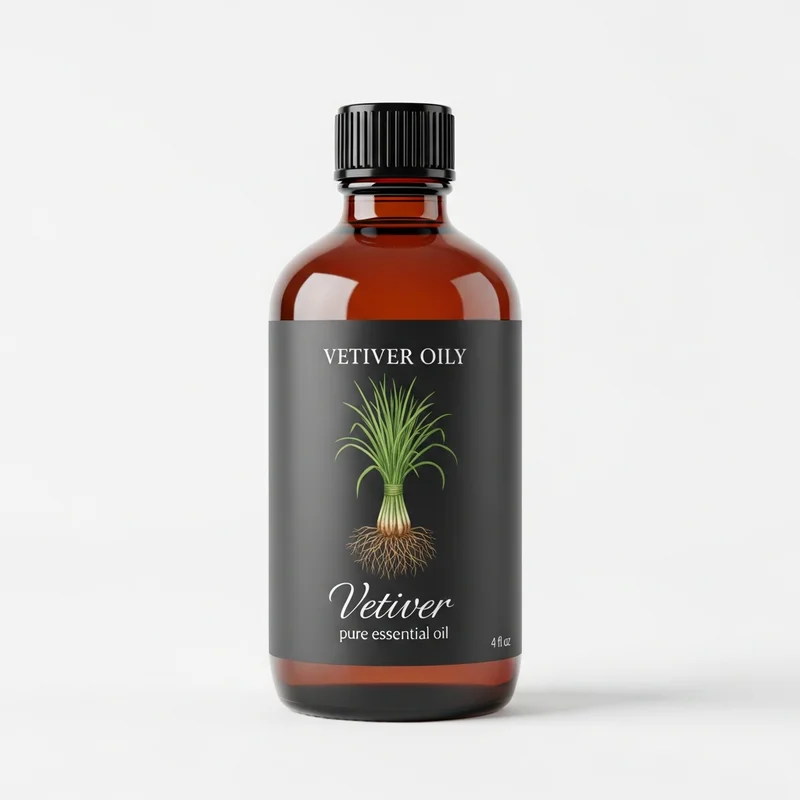
Vetiver Essential Oil
Our own Vetiver Essential Oil, in sizes from 0.5 oz to bulk.
From $20.99
Shop Now →What time does to vetiver
Researchers in India followed South Indian vetiver oil for 6 to 30 months and measured it along the way. The oil grew thicker and less transparent. The smell moved from green, harsh and spicy toward something drier, softer and sweeter, woody and balsamic, and it lasted longer. Individual compounds shifted too: khusimol and several others declined while amorphene, vetivenene and khusimone climbed.
In plain English, ageing rounds off the sharp edges. Many people who love vetiver will call that an improvement, and it fits the oil's reputation as a slow, deep base note. One detail is worth knowing if you make alcohol-based perfumes: solubility in 80% alcohol fell as the oil aged, so an older bottle may need a little more patience when you blend. This was one origin and one set of samples, so read it as a tendency rather than a promise.
For our own oil, we describe it as typically keeping its character for 6 to 8 years in a cool, dark place away from direct light.
Air is the real adversary
The Tisserand Institute notes that most essential oils keep well for at least a year or two before oxidation starts to take effect, and that heat, light and moisture all speed it along. The more air in the bottle, the faster an oil oxidizes. Cool storage slows things down, and refrigeration roughly doubles an oil's useful life.
Why does oxidation matter at all? Work on air-exposed linalyl acetate, a lavender constituent, found that hydroperoxides appeared early and built up over 42 weeks, and that they behaved as moderate skin sensitizers. That is a different molecule from anything in vetiver, so we use it as a reason for good habits, not as a vetiver result.
A routine that costs nothing
What follows is our reasoning from those sources.
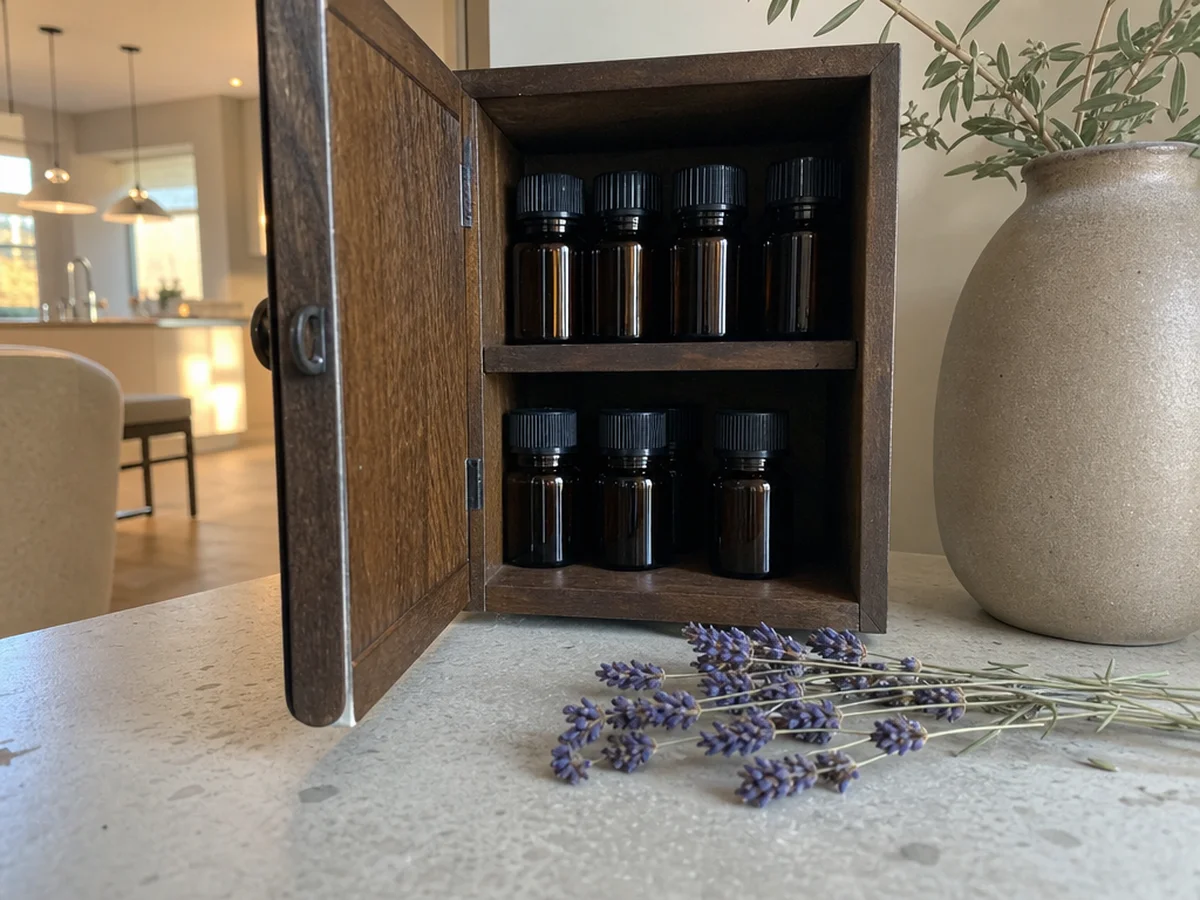
- Keep the bottle nearly full. Our retail bottles are amber glass, which blocks light. When a large bottle runs low, move the rest into a smaller amber bottle filled up to the neck. For bulk jugs we suggest the same idea: decant working amounts into smaller airtight bottles instead of leaving a large container open.
- Close it firmly. Wipe the threads after pouring, because thick oil that dries on them can glue the cap and spoil the seal.
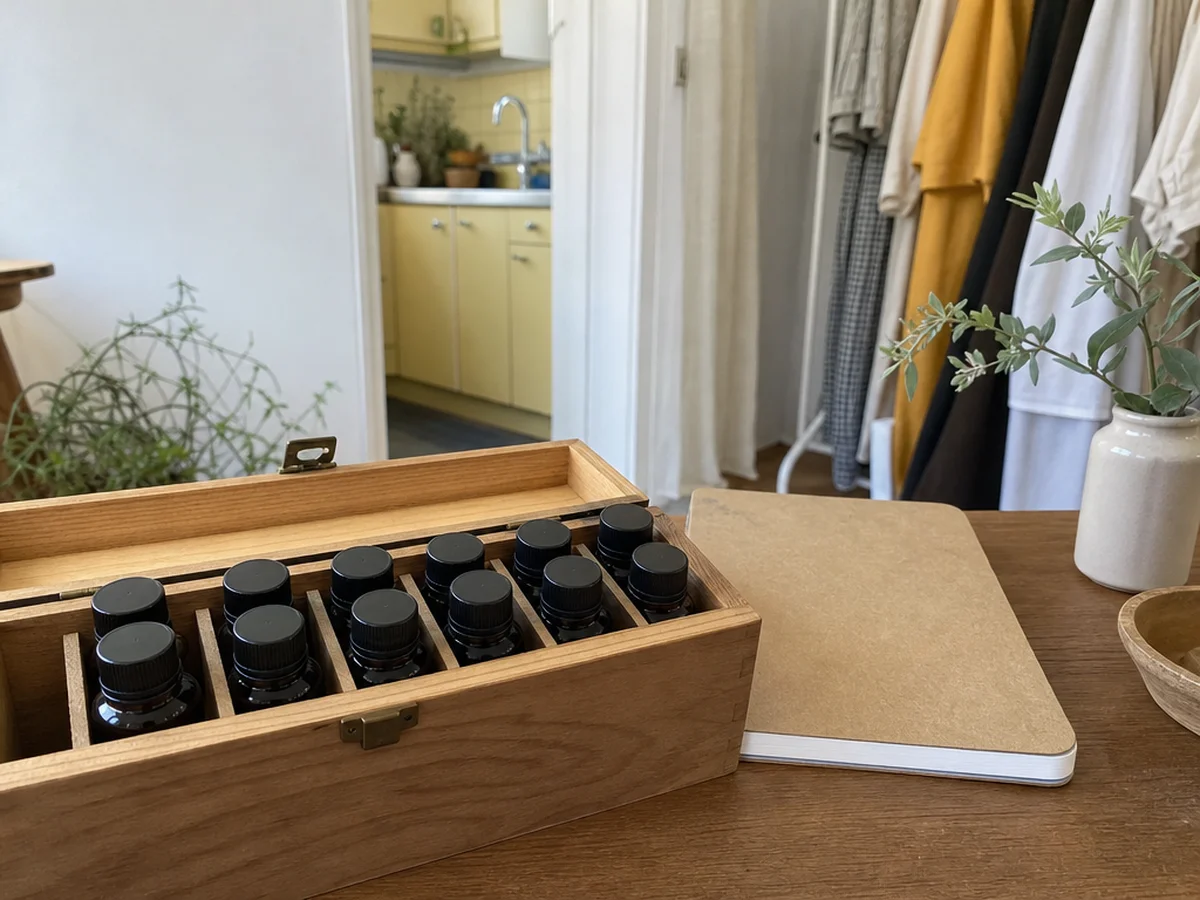
- Choose a steady, dark spot. A cupboard away from the stove, a sunny window or a car beats a shelf in the open.
- Let it warm before you pour. A fridge is optional. If you use one, remember vetiver is slow-pouring even at room temperature, and cold makes it slower. Bring the bottle back to room temperature before opening so moisture does not condense inside.
- Write the date you opened it. It gives you a reference point later.
- Keep a small bottle for everyday use. Decant a little into a labelled amber bottle for dipping, so the main bottle is opened only now and then.
Where in the house
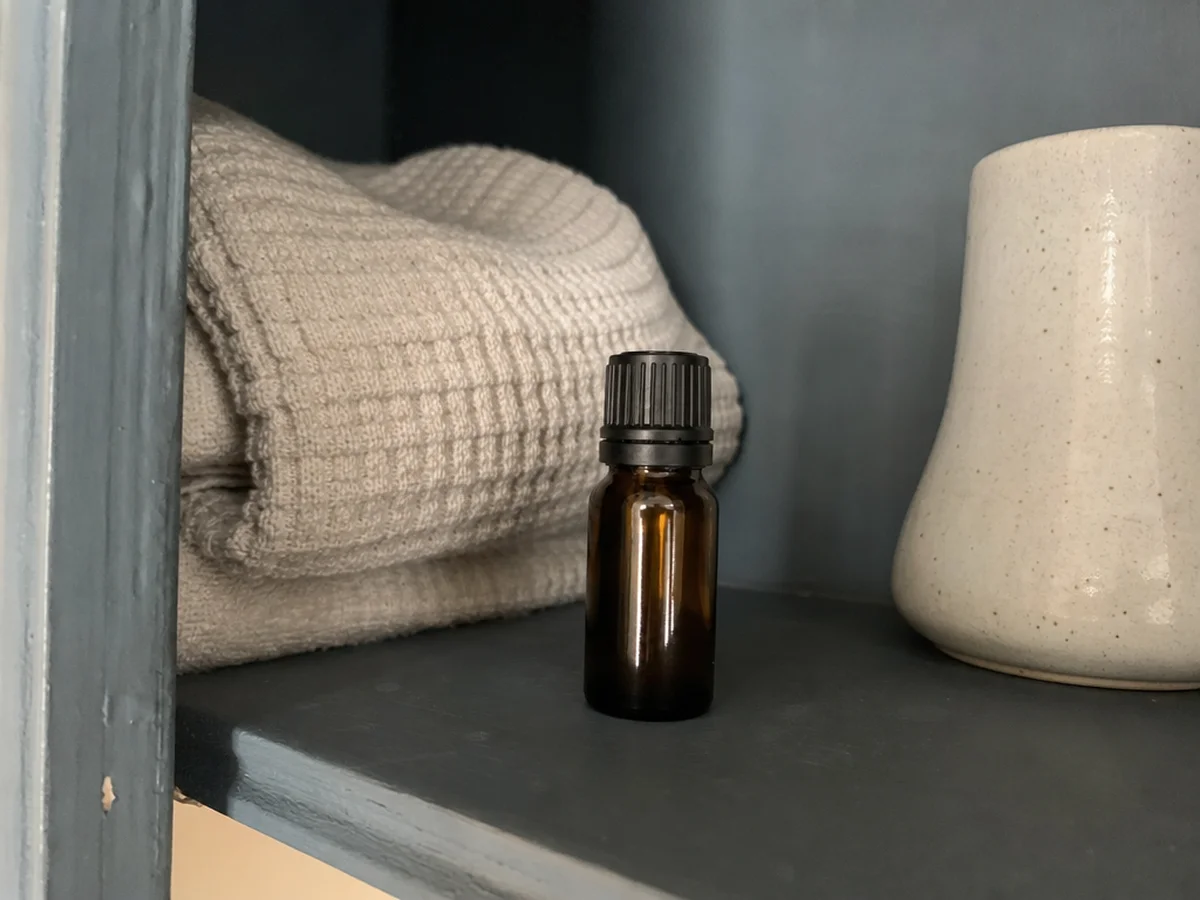
Think about the route the bottle takes in your day. A cupboard you open often, near the kettle or the stove, sees small swings in temperature every time. A bedroom drawer or a closet shelf tends to be steadier. Pick the spot you will actually remember, because a bottle left on the counter after one use is the most common way an oil ends up warm and in the light.
Checking an older bottle
Smell is your best tool. Put a drop on a paper strip and compare it with how you remember the oil. A softer, mellower scent and a thicker pour are what the storage study led us to expect. An oil that smells sharply sour, rancid or solvent-like, or that looks cloudy or has particles, is behaving differently, and we would keep it off the skin.
If you need more than a sniff test, such as a GC-MS report or an acid value for a specific lot, ask us in writing through the contact page before you order. The Certificate of Analysis on our site covers a single batch and lists density and refractive index.
Blends and diluted oils keep differently
All of this is about the neat oil. Once vetiver is mixed into a carrier, the carrier's own shelf life often sets the limit, since plant oils can turn rancid before the essential oil does. Our carrier oil guide covers what to look for, label any mix with the date and percentage, and read the dilution guide before anything touches skin. Keep every bottle out of reach of children and pets. If you are still getting to know the oil itself, what vetiver oil is is a good place to start.
A word on the pour
Thick oil rewards patience. Tilt the bottle slowly, give it time to gather at the lip, and wait a moment before you decide you have poured enough, since the last drop is still on its way. Wipe the neck with a paper towel and the bottle will be as clean for the next opening as it was for the first.
Put a well-closed bottle in a dark cupboard and vetiver is one of the few oils you can look forward to opening again in a year or two.
Vetiver Essential Oil
Vetiver Essential Oil from our own shop, in sizes from 0.5 oz to bulk.
From $20.99
Shop Now →Sources & Further Reading
- Dubey N, Chhonkar SS, Raghav CS, 2011. Effect of Period of Storage on Physico-chemical Properties and Major Constituents of South Indian Vetiver (Vetiveria zizanioides Linn.) Oil. Indian Forester 137(7):877-884. indianforester.co.in
- Tisserand Institute. Is my bottle of essential oil oxidized or no longer good to use? tisserandinstitute.org
- Hagvall L, Berglund J, Bråred Christensson J, 2015. Air-oxidized linalyl acetate - an emerging fragrance allergen? Contact Dermatitis 72(4):216-223. PubMed 25645423