What Is Vetiver Oil? Origins, Scent and Everyday Uses
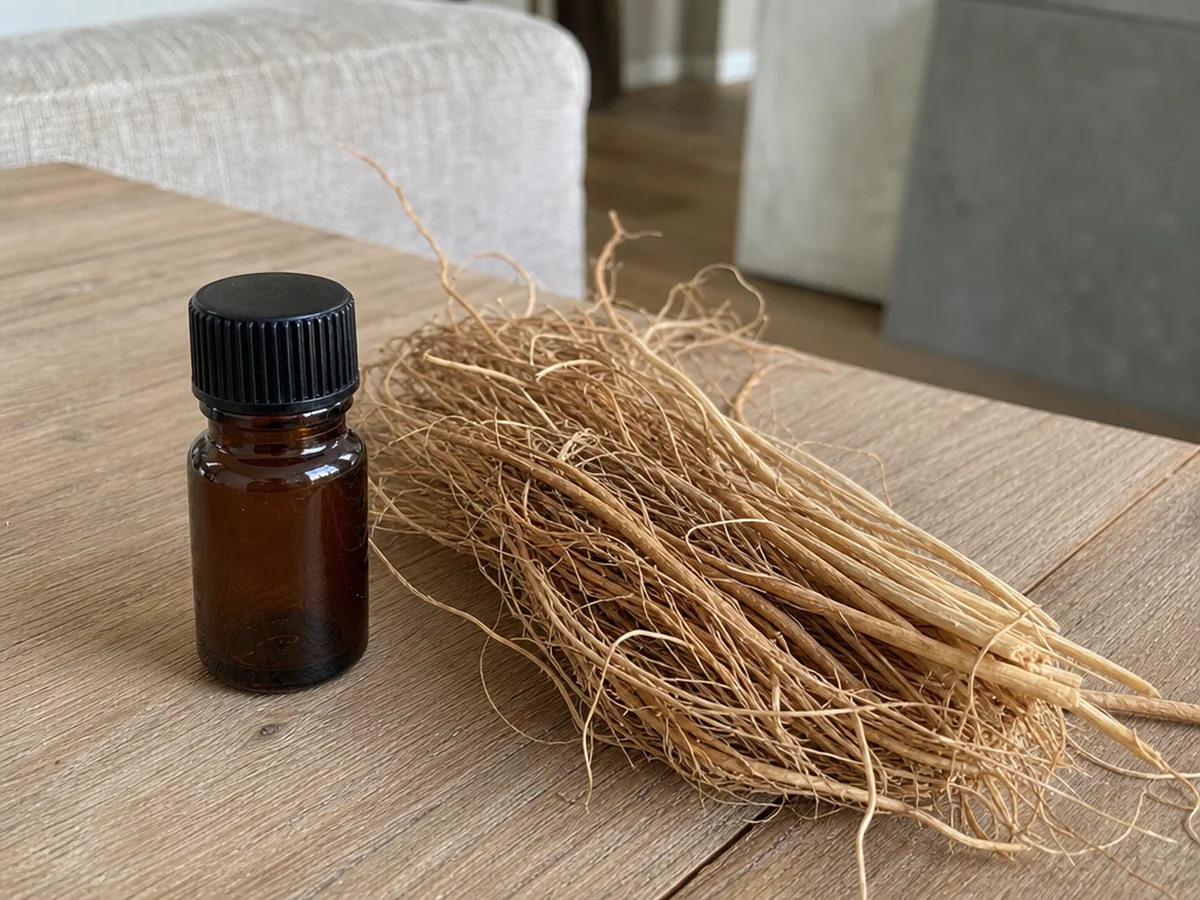
Most essential oils come from flowers or leaves. Vetiver comes from underground. It is distilled from the roots of a tall tropical grass, and that unusual origin explains nearly everything about it: the dark colour, the thick pour, and the deep, earthy, smoky-sweet scent that makes it a fixture of perfumery.
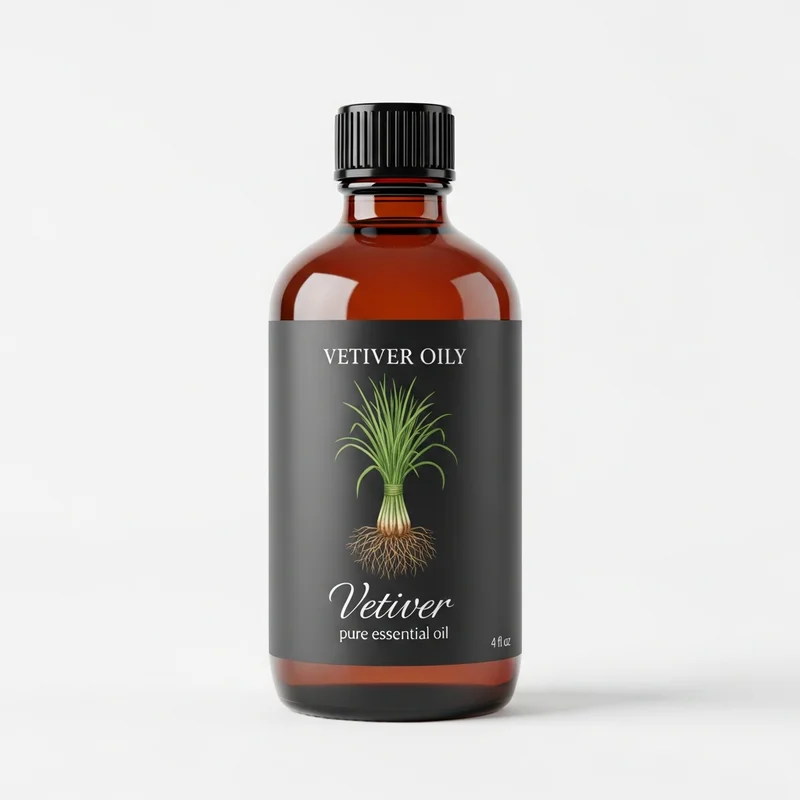
Vetiver Essential Oil
Our own Vetiver Essential Oil, in sizes from 0.5 oz to bulk.
From $20.99
Shop Now →A grass you dig up
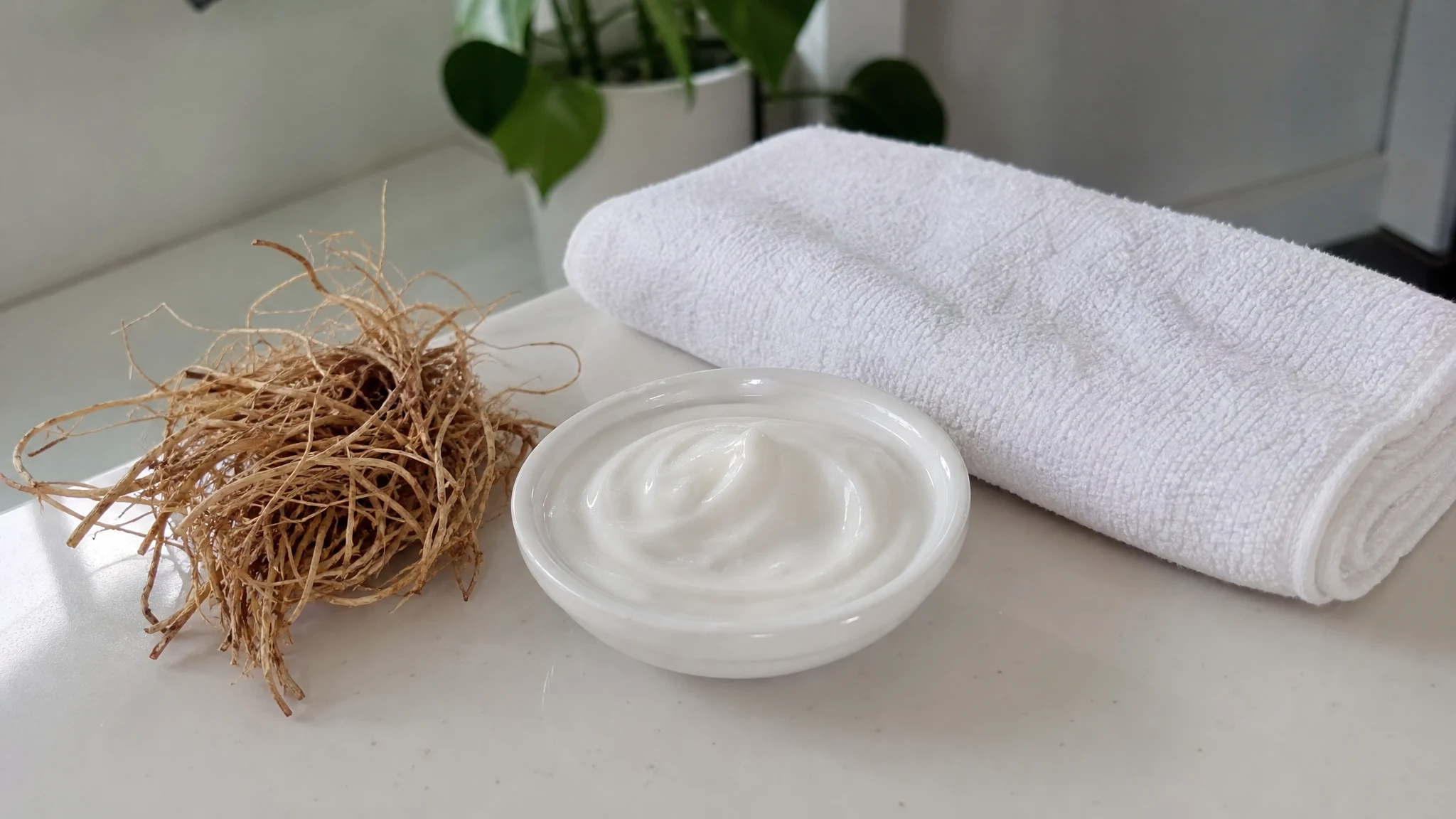
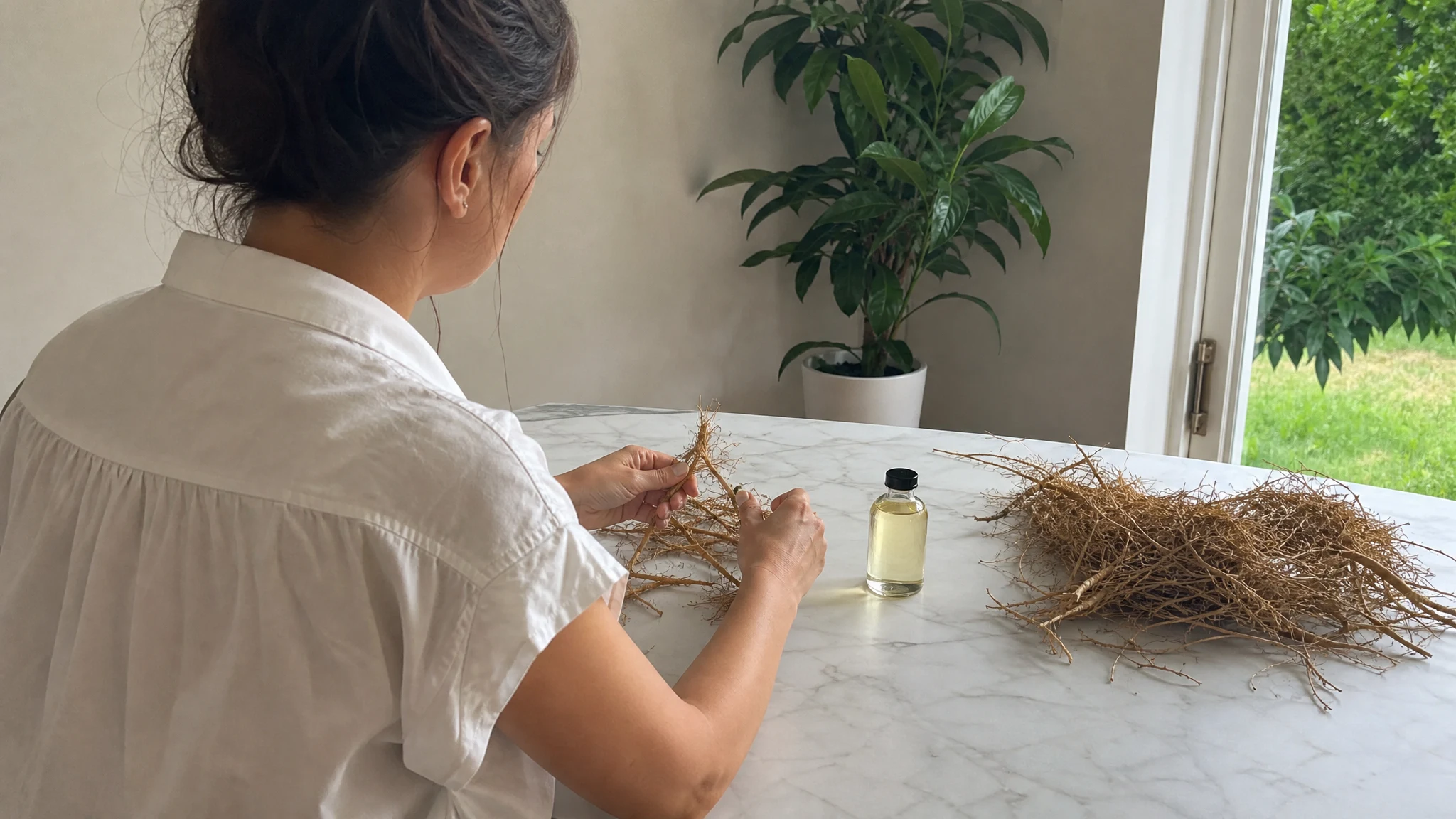
The plant is a perennial bunchgrass, now known as Chrysopogon zizanioides and formerly as Vetiveria zizanioides. It is originally from India and is widely grown across the tropics. The English name comes from a Tamil word meaning a root that is dug up, which is a pretty exact description of how the oil is sourced. The roots are the valuable part, and they grow mainly downward, which is also why the grass has a second career holding soil together on slopes and stream banks.
How the oil is made
The roots are dug, washed, dried and then steam distilled. The French perfume archive notes that distillation takes more than 24 hours and that it takes about 150 kilograms of dried roots to make one kilogram of oil. That is a lot of root for a little oil, which is part of why vetiver is a considered purchase and why a small amount goes so far in a blend. Ours is steam-distilled from roots, with the roots coming from southern Haiti.
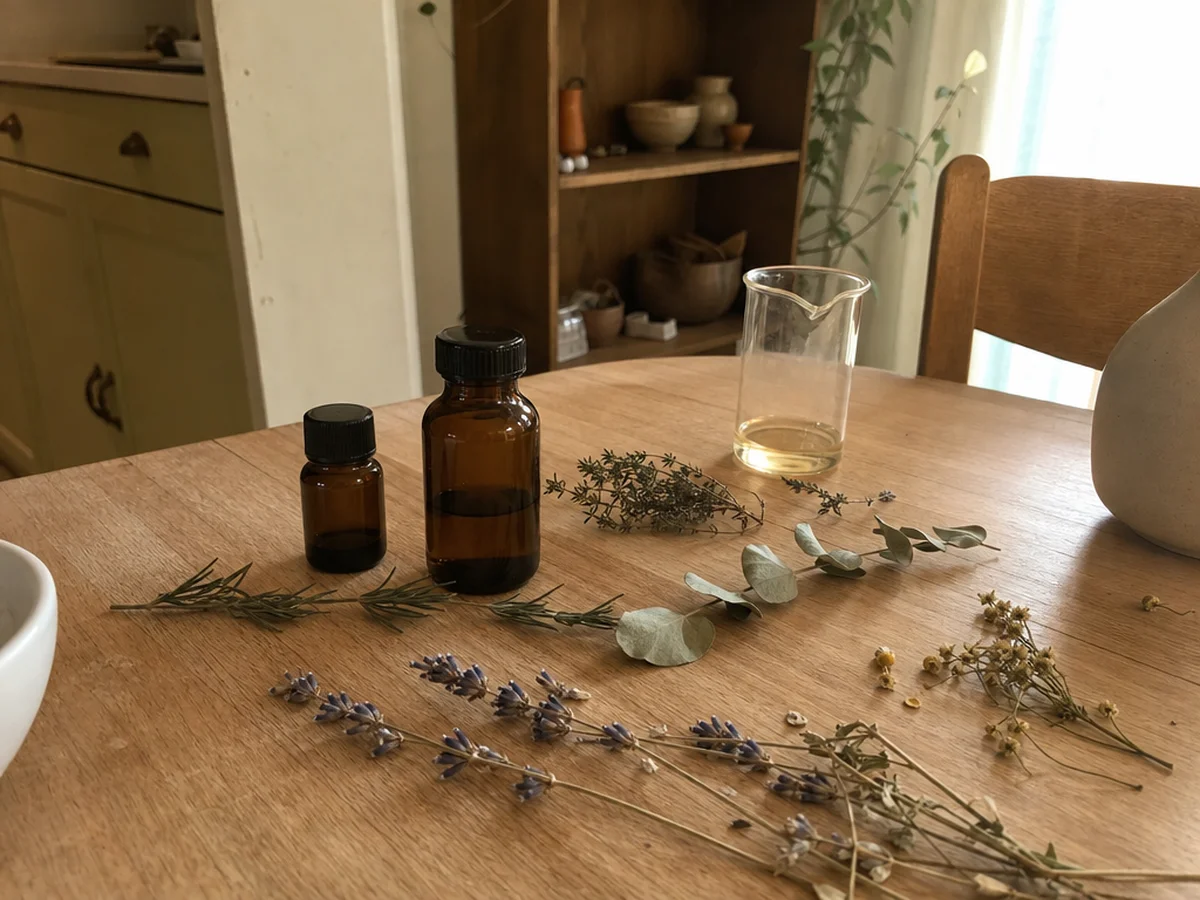
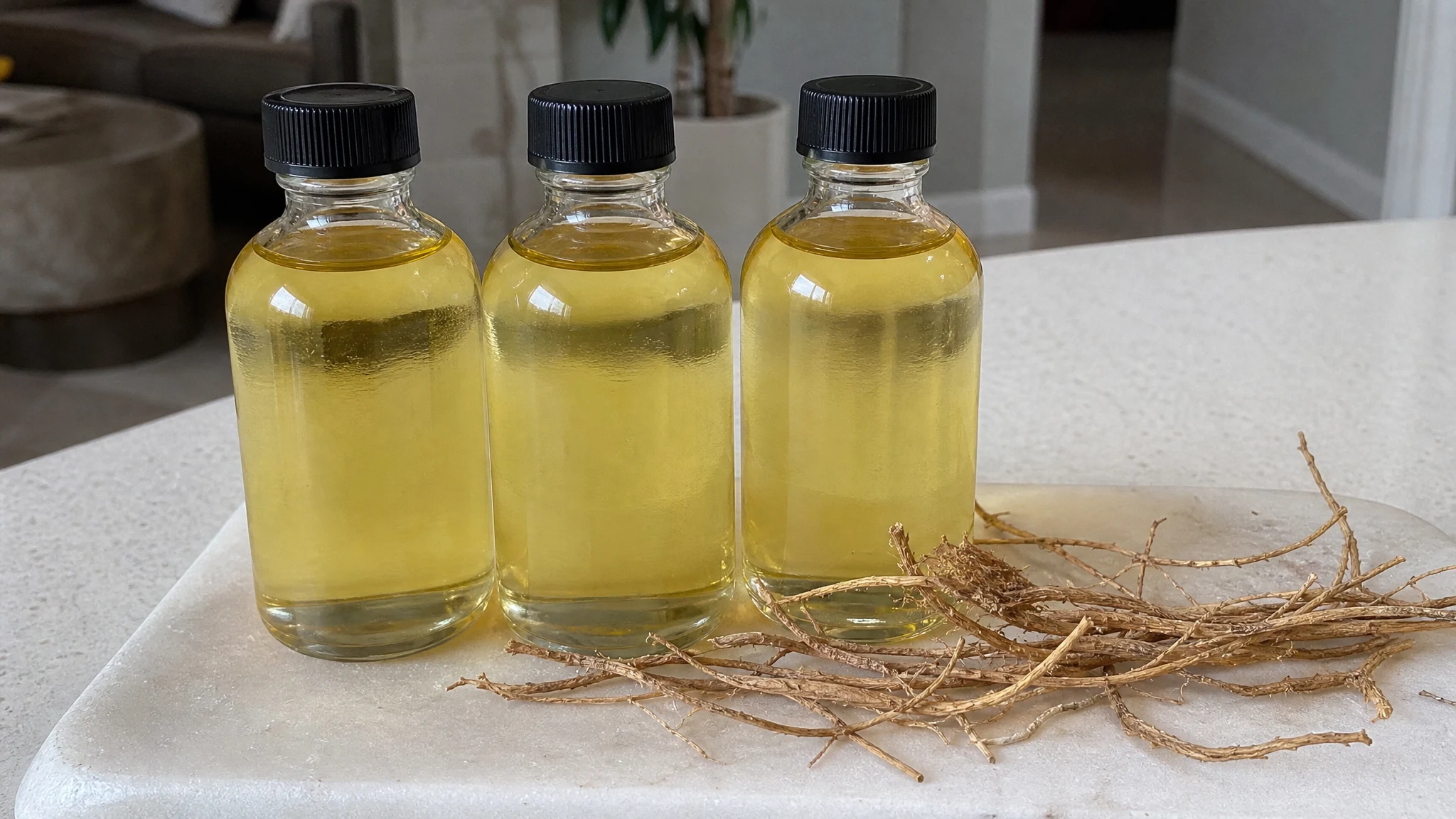
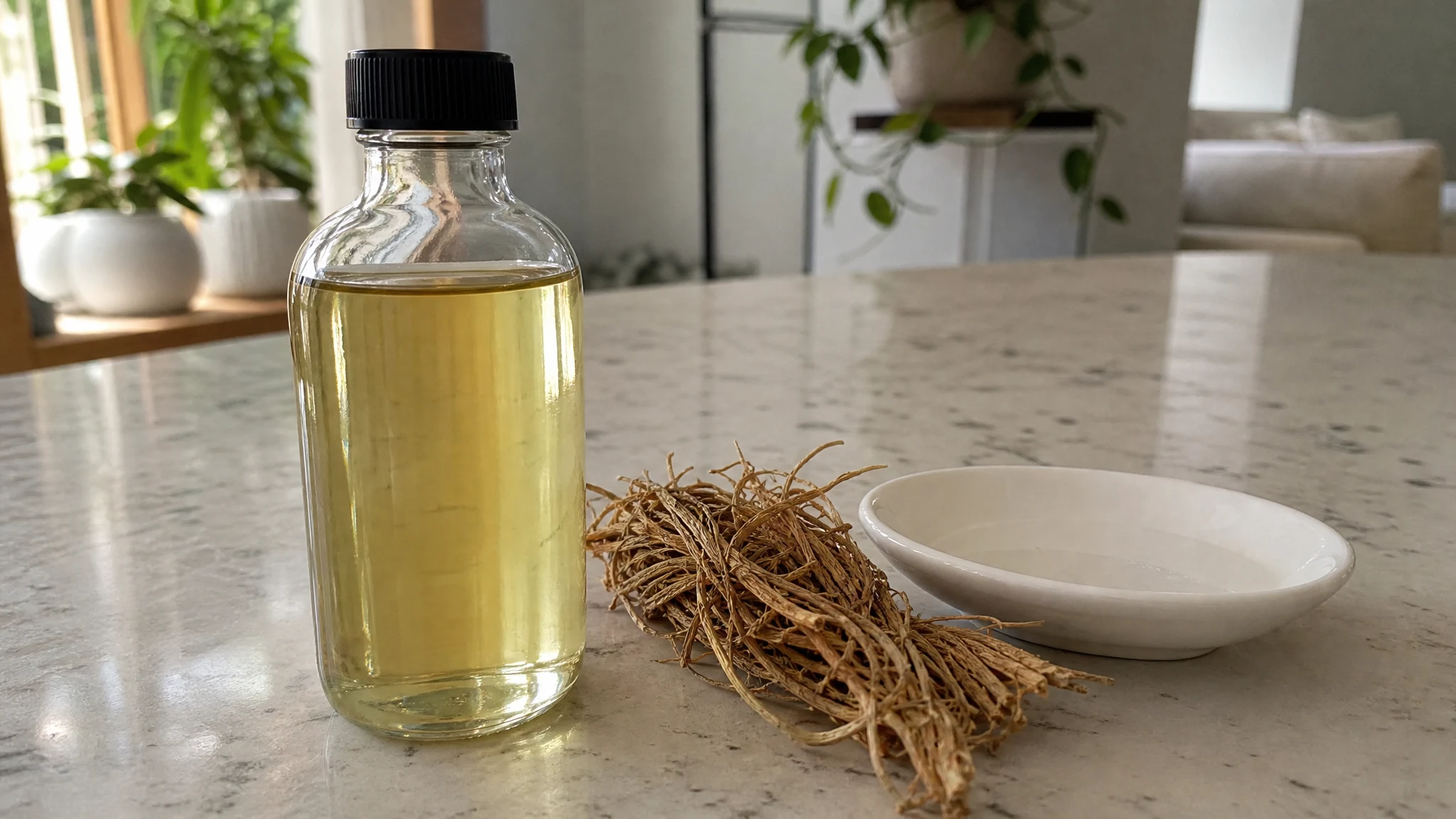
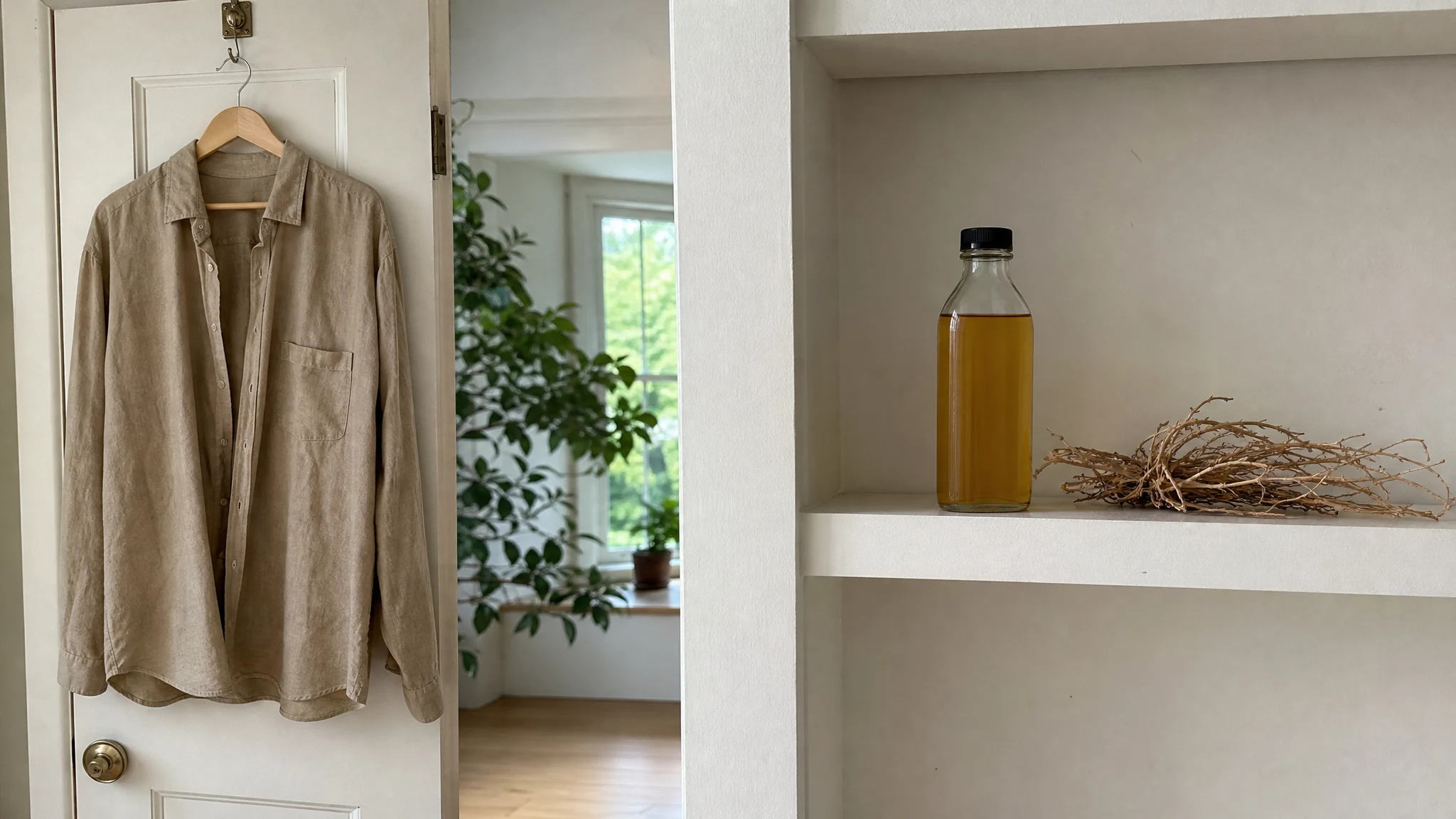
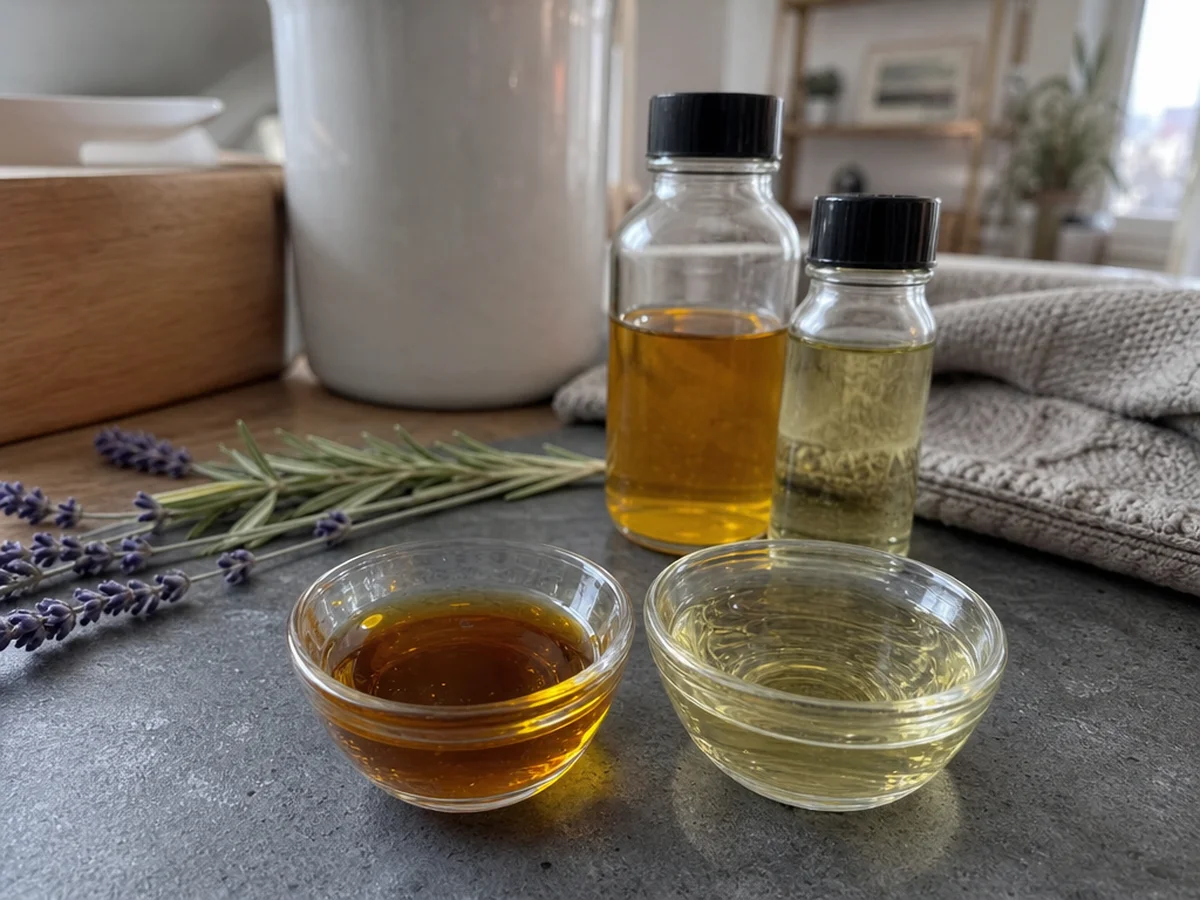
What comes out is a viscous liquid. The international standard describes the colour as yellowish-brown to reddish-brown, and ours runs deep amber to brown. It can tint soap or candle wax, so keep that in mind if you work with pale materials.
What people use it for
Fragrance is where vetiver shines. One research team notes that it appears in over a third of all fragrances, with world use estimated at 300 to 400 tonnes a year. In perfumery it plays the role of a base note and natural fixative, the quiet foundation that makes brighter notes last longer. Home crafters borrow the same idea for candles, soap, reed diffusers and personal fragrance, and our perfumery guide shows how the pros think about it.
We keep our claims simple: we sell vetiver oil for aromatic and cosmetic use, and we make no health claims for it. It is not meant to be taken internally. It is also a different thing from vetiver hydrosol, the water left after distillation, which we do not sell.
Handling a thick oil
New buyers are often surprised by the pour. Vetiver is thick and slow, especially when cool. Warming the bottle in your hands for a few minutes helps, and a pipette gives you more control than tipping. A little goes a very long way, so measure with care.
- For skin, dilute to 0.5% to 2% in a carrier oil such as jojoba or sweet almond, starting at the low end, and patch test first.
- Keep it away from eyes, children and pets.
- Store it sealed in a cool, dark place. We say it typically keeps its character for 6 to 8 years stored that way, and our post on storing vetiver has the details.
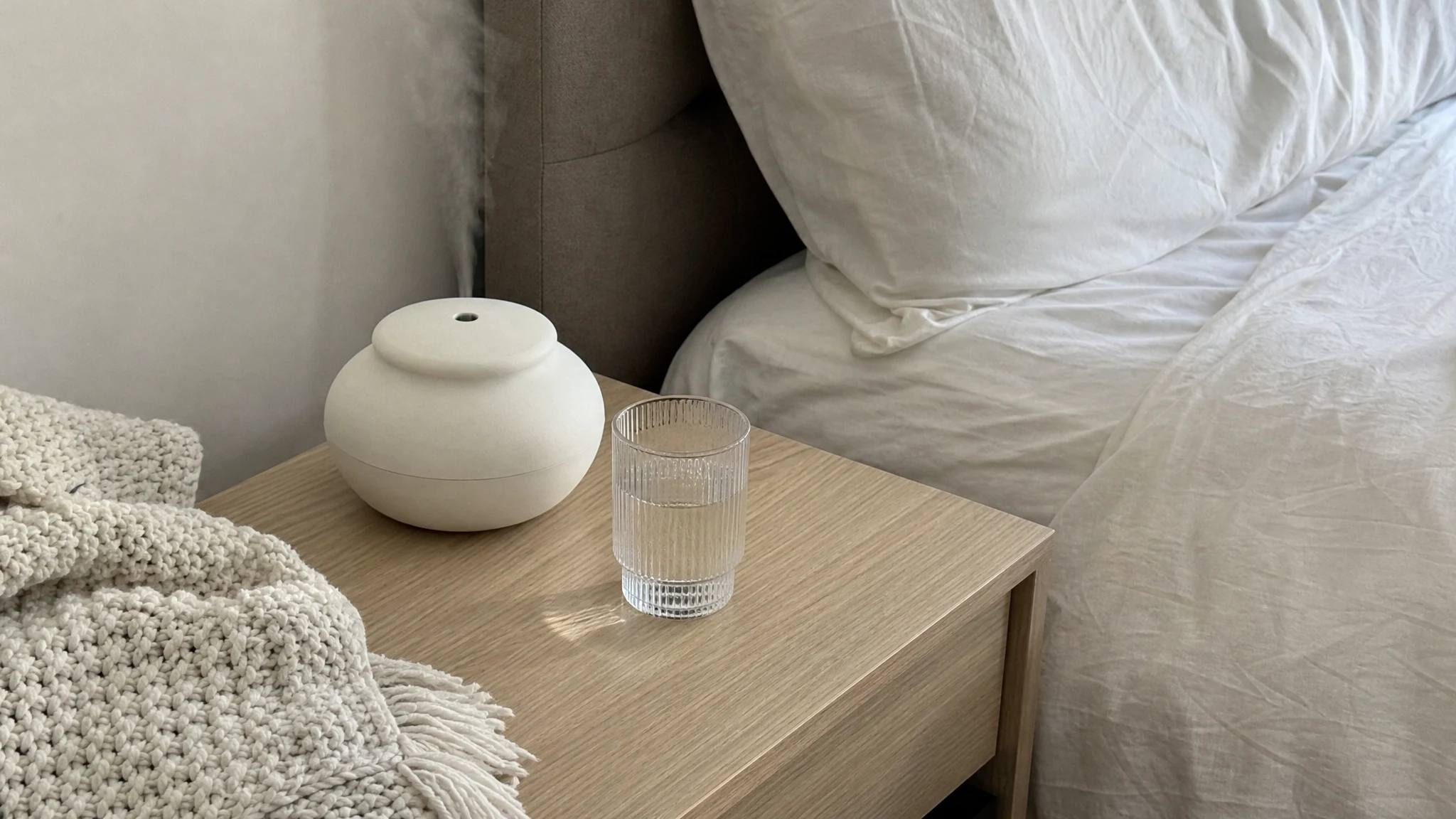
- In an ultrasonic diffuser the thick oil can sit at the bottom of the reservoir, so many people prefer a reed or warm-air diffuser or start with a thinner oil.
If you are pregnant, nursing, taking medication or have a medical condition, check with your healthcare provider before using any essential oil.
Choosing a size
We sell one vetiver essential oil, neat and undiluted, in nine sizes from 0.5 oz up to 400 lb. Because the oil is concentrated, many people start small, get to know the smell, and move up once they know how they like to work with it. Retail bottles are amber glass with a black label.
What to expect from the first sniff
Open the bottle and expect something dark: earthy, smoky and faintly sweet, a little like damp soil and wood smoke. It is a heavy scent, and a first sniff straight from the bottle can be louder than people expect. Give it a second try before you decide. A paper strip dipped in the oil and waved a few inches away is easier on the nose, and the scent changes as the minutes pass.
A simple first-week plan
- Start with a paper strip. Smell it at once, after a few minutes and after an hour.
- Warm the bottle in your hands before you pour, and use a pipette for control.
- If you want it on skin, dilute it in a carrier oil first and patch test.
- If you want it in a room, try a reed or warm-air diffuser before an ultrasonic one.
There is no rush. Vetiver rewards people who take their time with it, and it is easy to spend a week getting to know the oil before you decide what to make with it.
Where to go next
If you are curious how vetiver behaves in the home, start with our guide to using vetiver as a beginner, or read about where vetiver comes from. Once you have smelled it properly, the interest in this root oil makes sense.
Once you know the smell, you will start to notice it elsewhere, in a perfume counter or a candle shop, and that recognition is half the fun. A thick, dark oil from a humble grass has a way of turning up in places you did not expect.
Vetiver Essential Oil
Vetiver Essential Oil from our own shop, in sizes from 0.5 oz to bulk.
From $20.99
Shop Now →