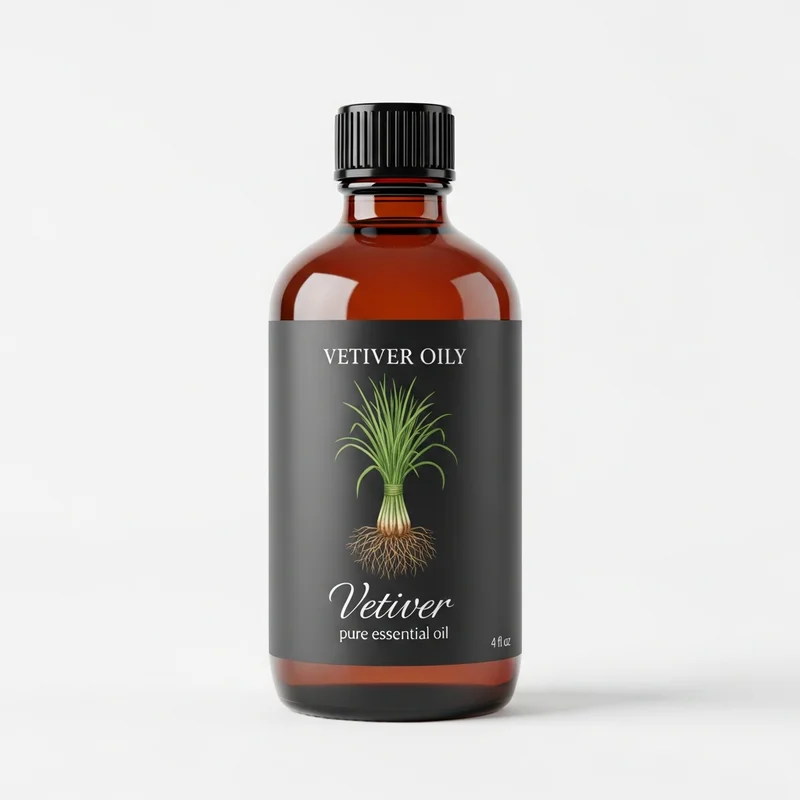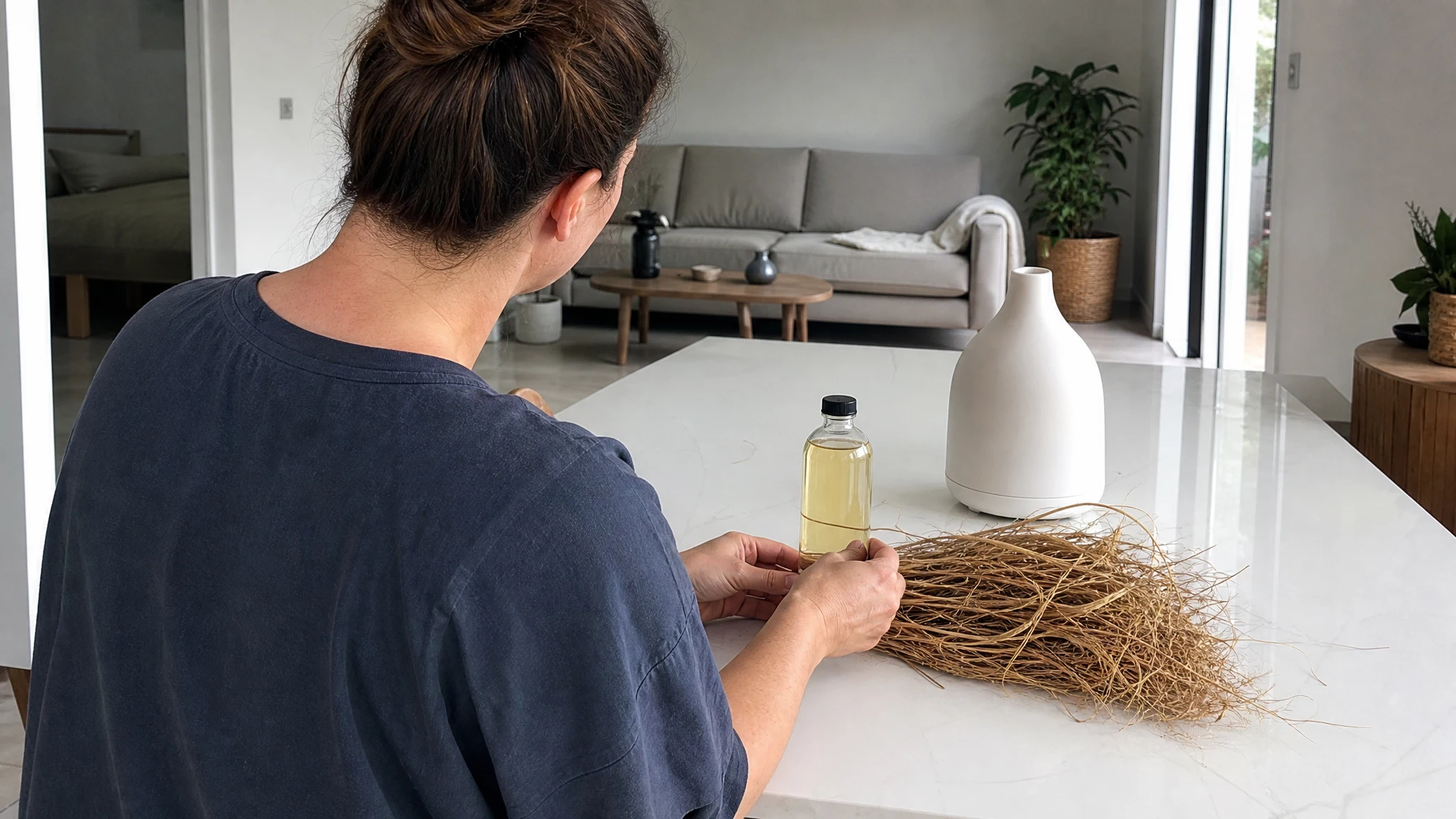
How to Use Vetiver Oil: A First-Timer's Starting Guide
Dark, thick and deeply earthy, vetiver rewards a slow start. Smell it first, then learn how much to dilute, how to patch test and where to go from there.
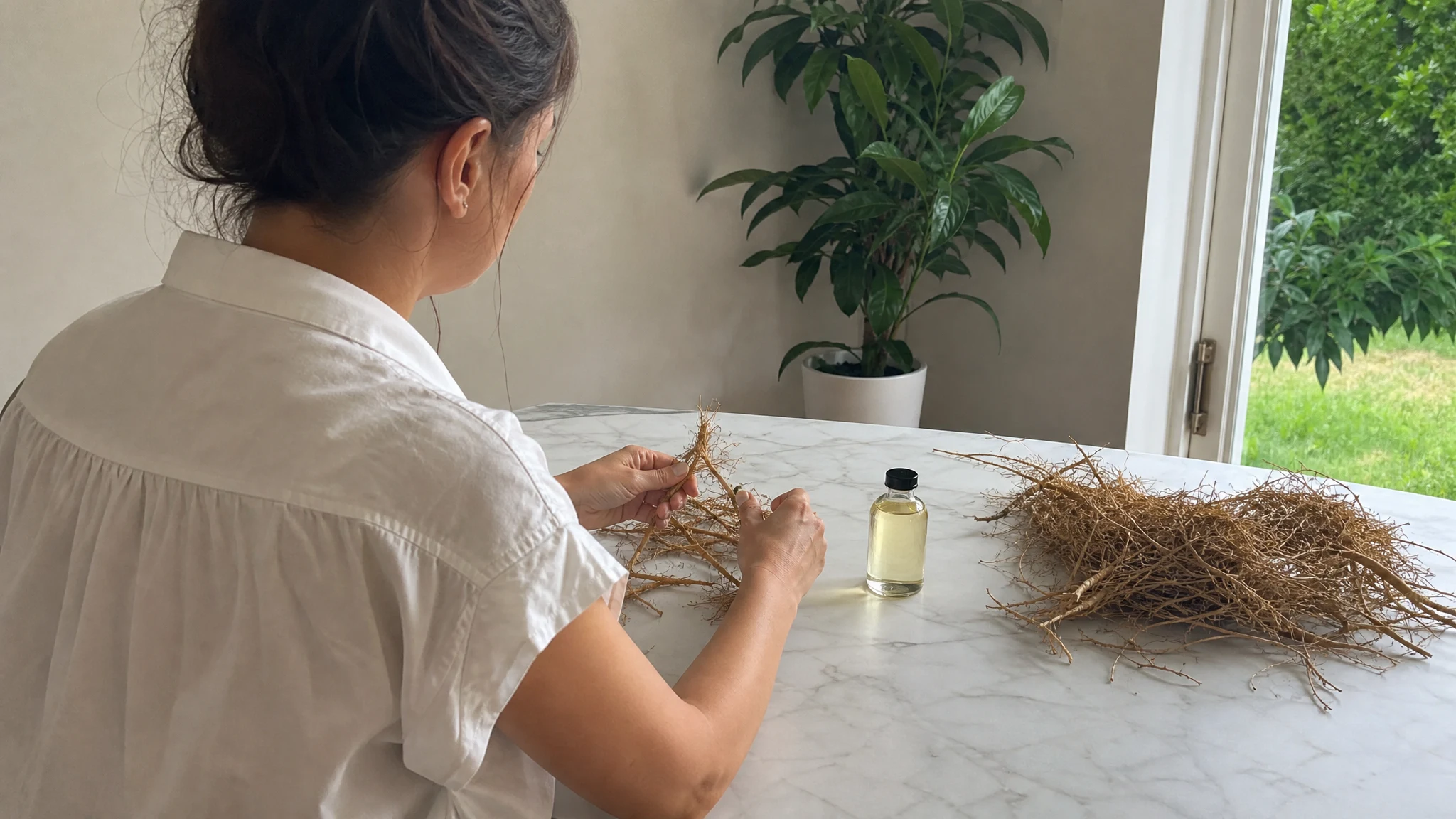
What Is Vetiver Oil? Origins, Scent and Everyday Uses
Vetiver oil comes from the roots of a tropical grass and takes a lot of root for a little oil. What it is, how it smells and how to handle it.
Vetiver Roller Blends: How Much Oil Per 10 ml Bottle
Vetiver is thick and lingers, so a little goes far in a roller. See the arithmetic for a 10 ml bottle, why we start low, and what to look for in a carrier.
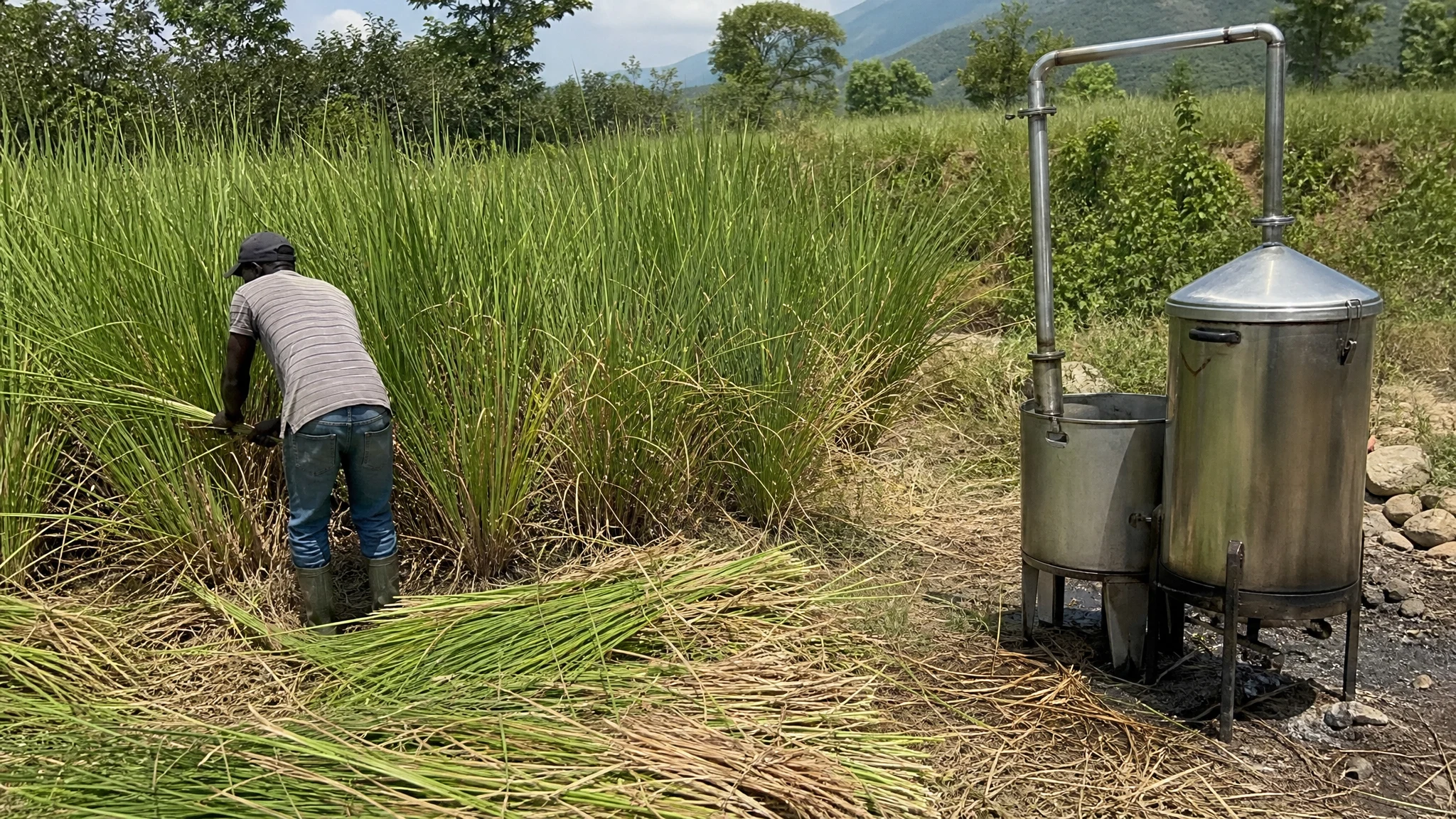
How Vetiver Oil Is Made: From Root to Bottle
Vetiver oil is steam-distilled from roots, and each step before and after the still leaves a mark. Follow the journey and learn what to ask about a bottle.

Diffusing Vetiver Oil: Which Diffuser Suits a Thick Oil?
No trial has tested a vetiver diffusing routine, but a few good sources help. Here is how to match device, run time and room to a thick, slow-pouring oil.

Vetiver Oil and Inflammation: Lab Studies vs Massage
Vetiver oil calmed inflammation signals in mouse cells, but no one has tested it for pain. We explain the lab work, the massage question and what to do.
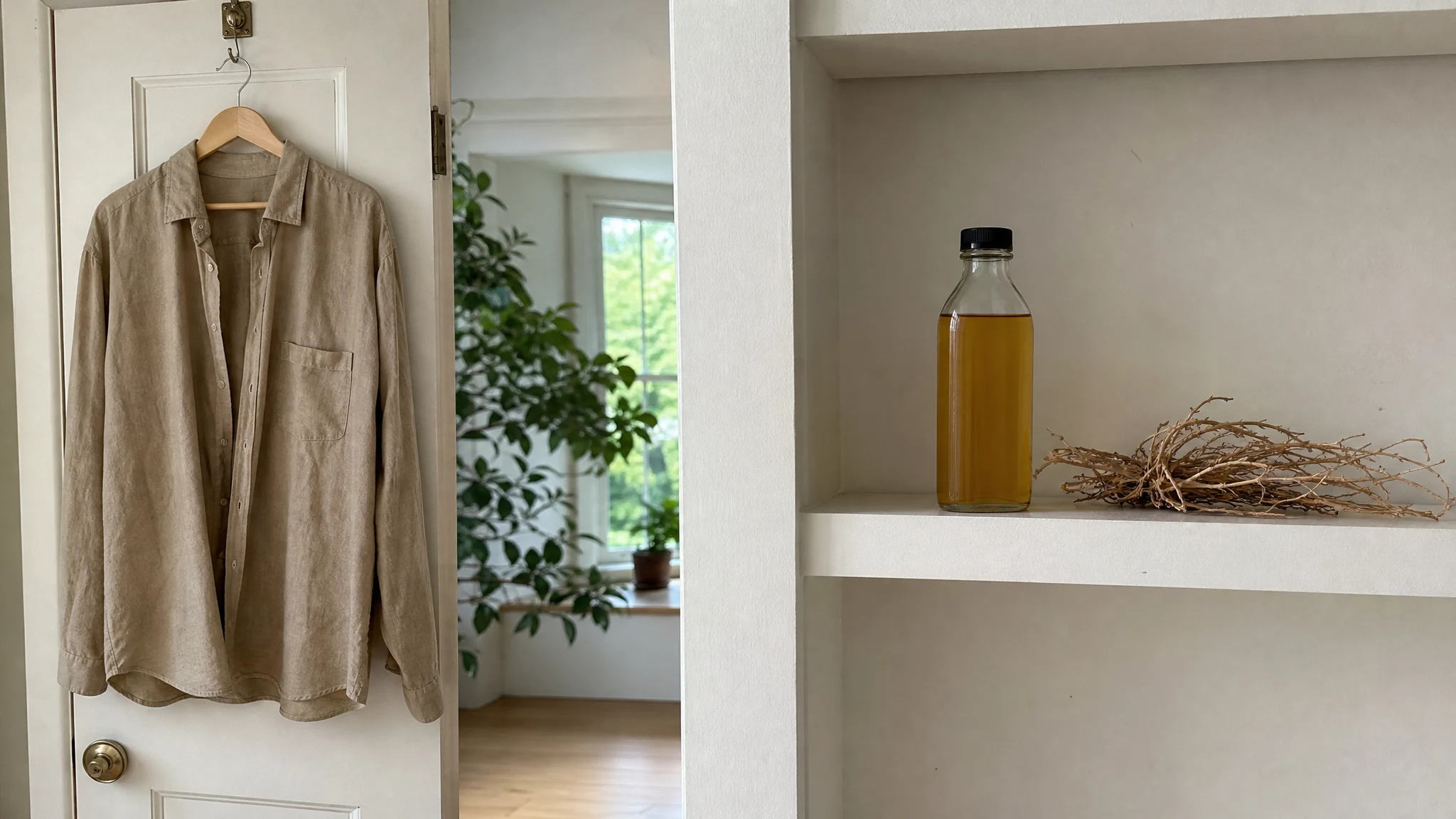
Is Vetiver Just for Men? What the Perfume Shelf Shows
Is vetiver really a men's scent? See how it shows up in perfume, how to use a little in cologne or a balm, and why we start at a low dilution.
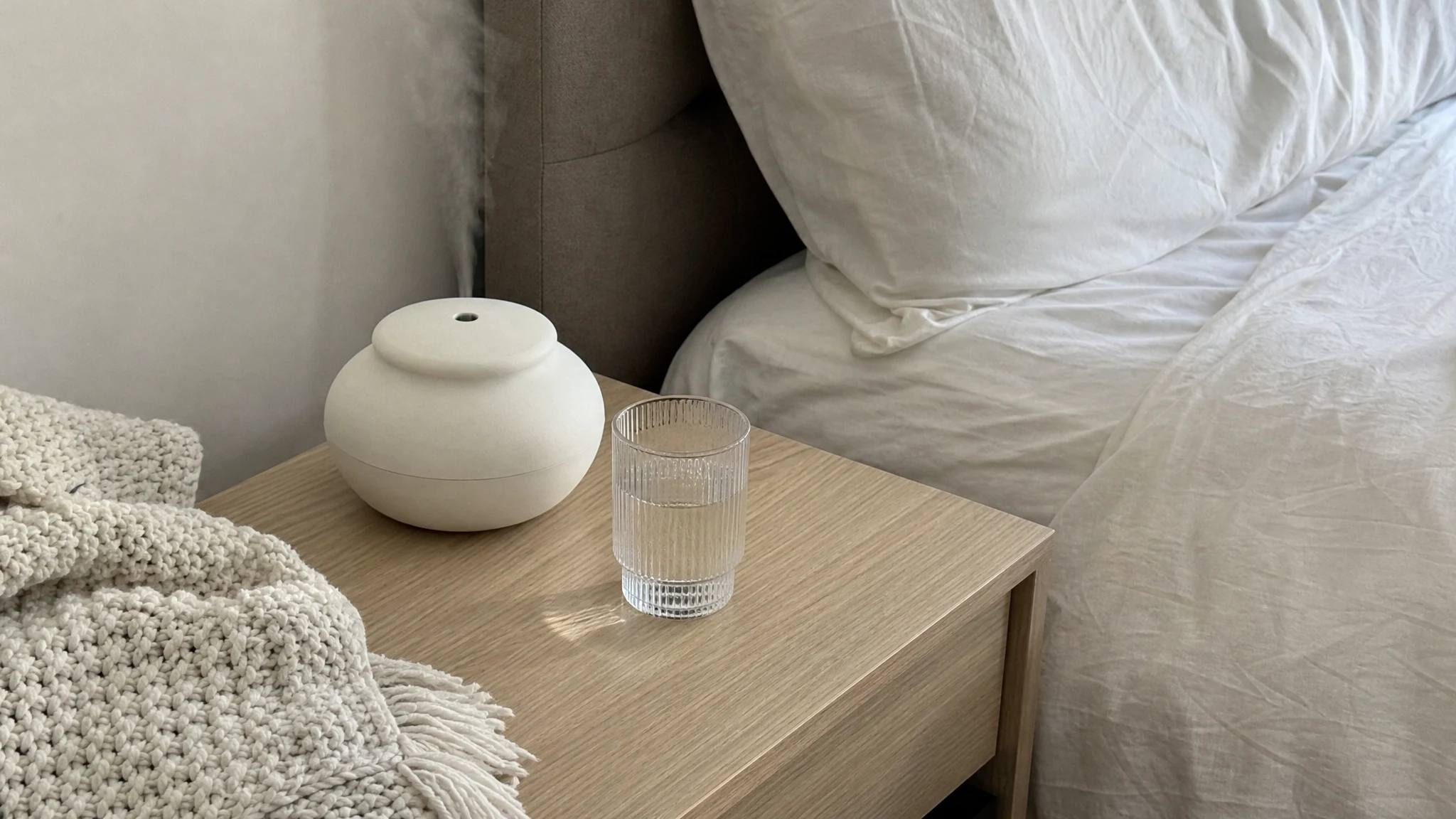
Vetiver and Sleep: What the Research Does and Doesn't Show
Vetiver has a calming reputation, but the sleep studies point different ways. We walk through a rat study and a nurse trial and what placebo taught us.

Vetiver Oil for Meditation: Using Scent as a Cue
No study shows vetiver deepens meditation, but a steady scent can be a lovely cue to sit. How to use it lightly and what belongs to tradition.
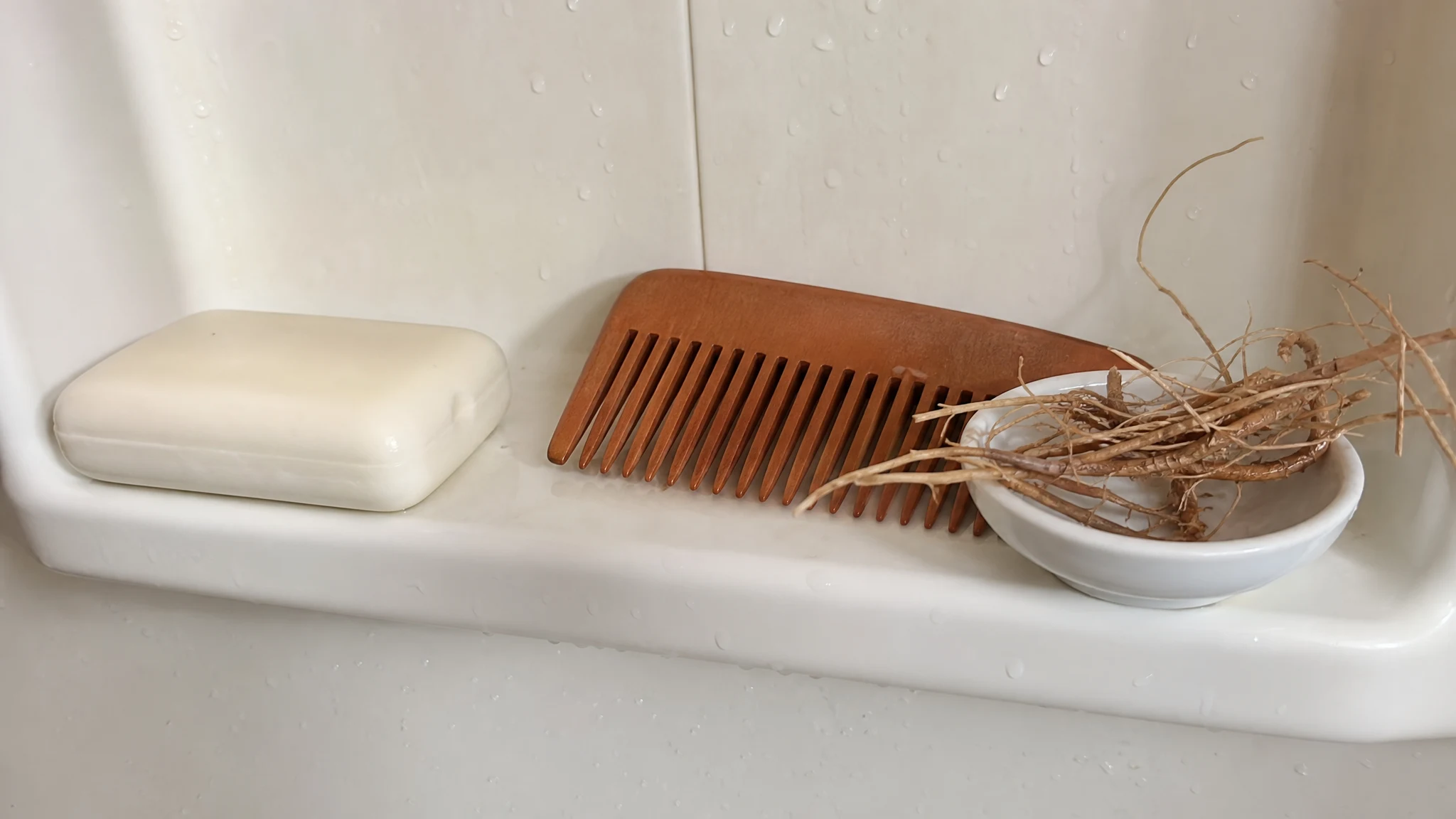
Vetiver Oil on the Scalp: What Research Covers
No one has tested vetiver oil on the scalp. We cover what dermatology sources say, what other oils were studied for, and how to scent a hair product.

Vetiver Oil and Pets: Dogs, Cats and Birds at Home
Vetiver is not on the usual pet-caution lists, but no one has tested it in animals either. Veterinary guidance on diffusers, skin and birds, explained.

Vetiver Oil for Anxiety: What the Research Shows
Vetiver is known as a calming oil, but the evidence is mostly rat studies. We explain what the research shows and how to enjoy the aroma sensibly.
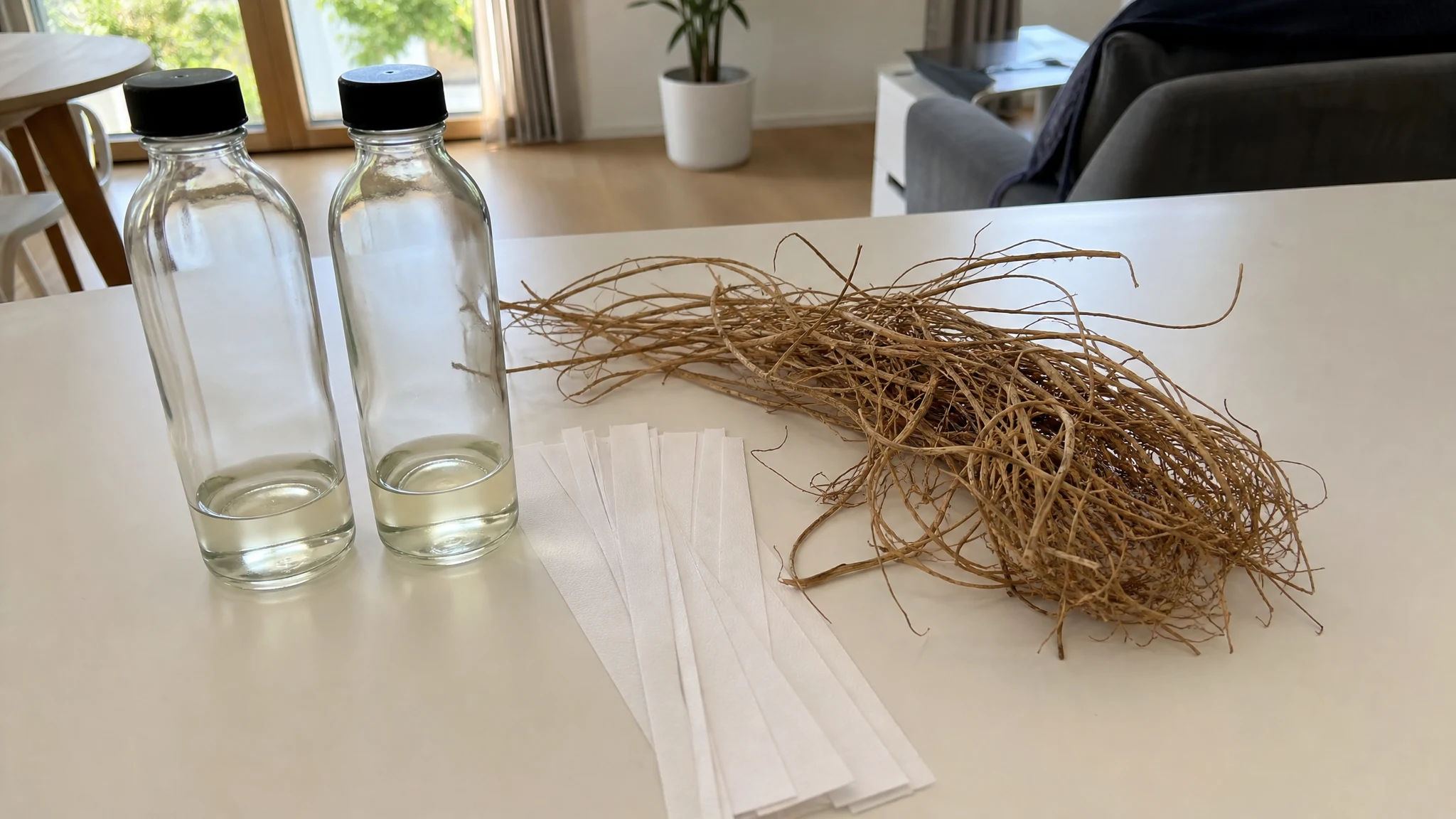
Vetiver in Perfumery: Why Perfumers Love It
Vetiver turns up in over a third of fragrances. See what makes its scent so layered, why oils differ from lot to lot, and how to judge a sample by nose.
Vetiver Oil and Focus: What Research Exists
No trial has tested vetiver oil for ADHD. We walk through the closest rat, mouse and human studies and explain why we call it a scent, not a focus aid.
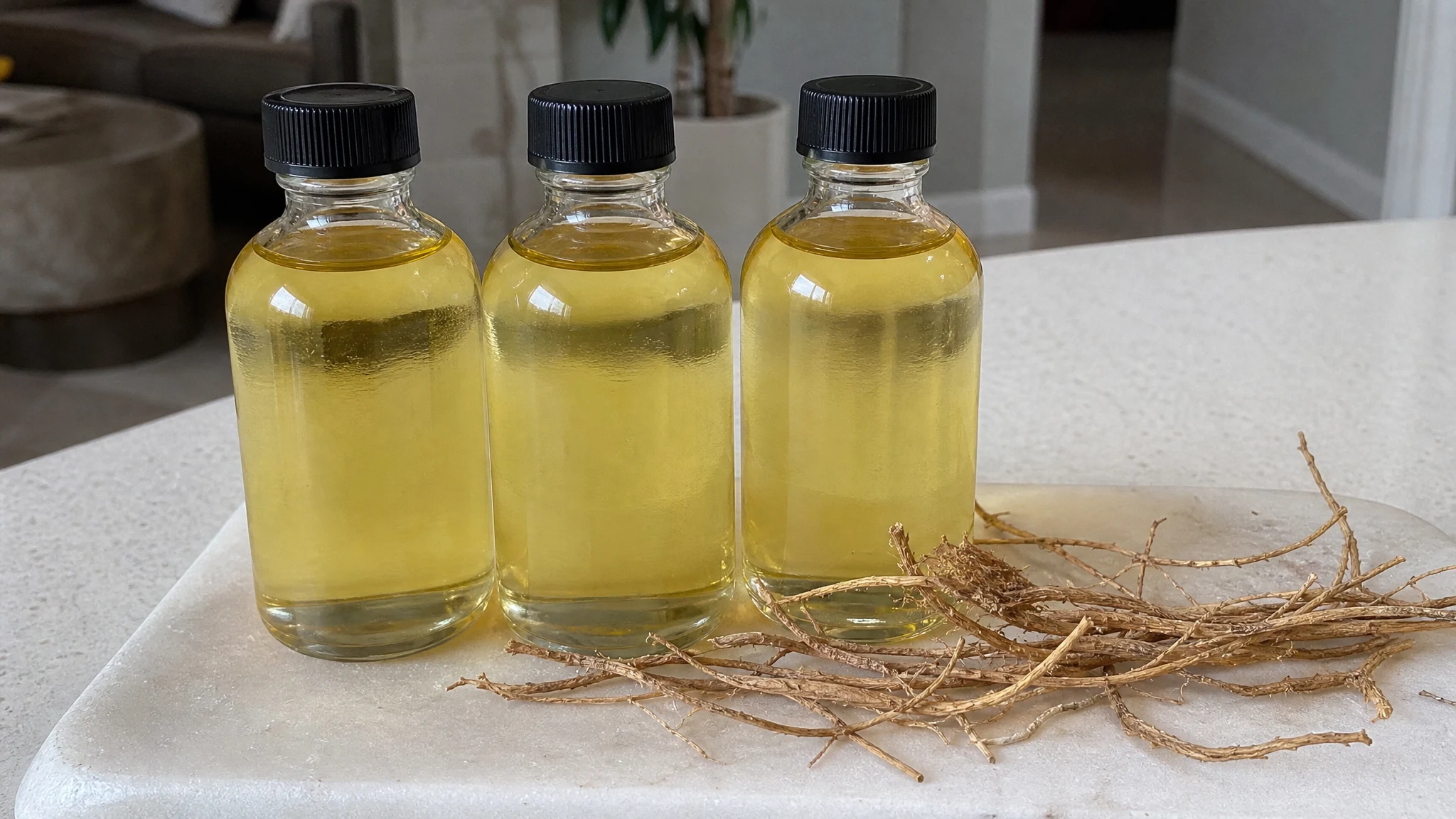
Blending With Vetiver: Ratios, Roles and Restraint
Vetiver is strong and lingers, so blending it is about restraint. A starting ratio, the arithmetic for 10 ml, and how to dilute a finished blend for skin.
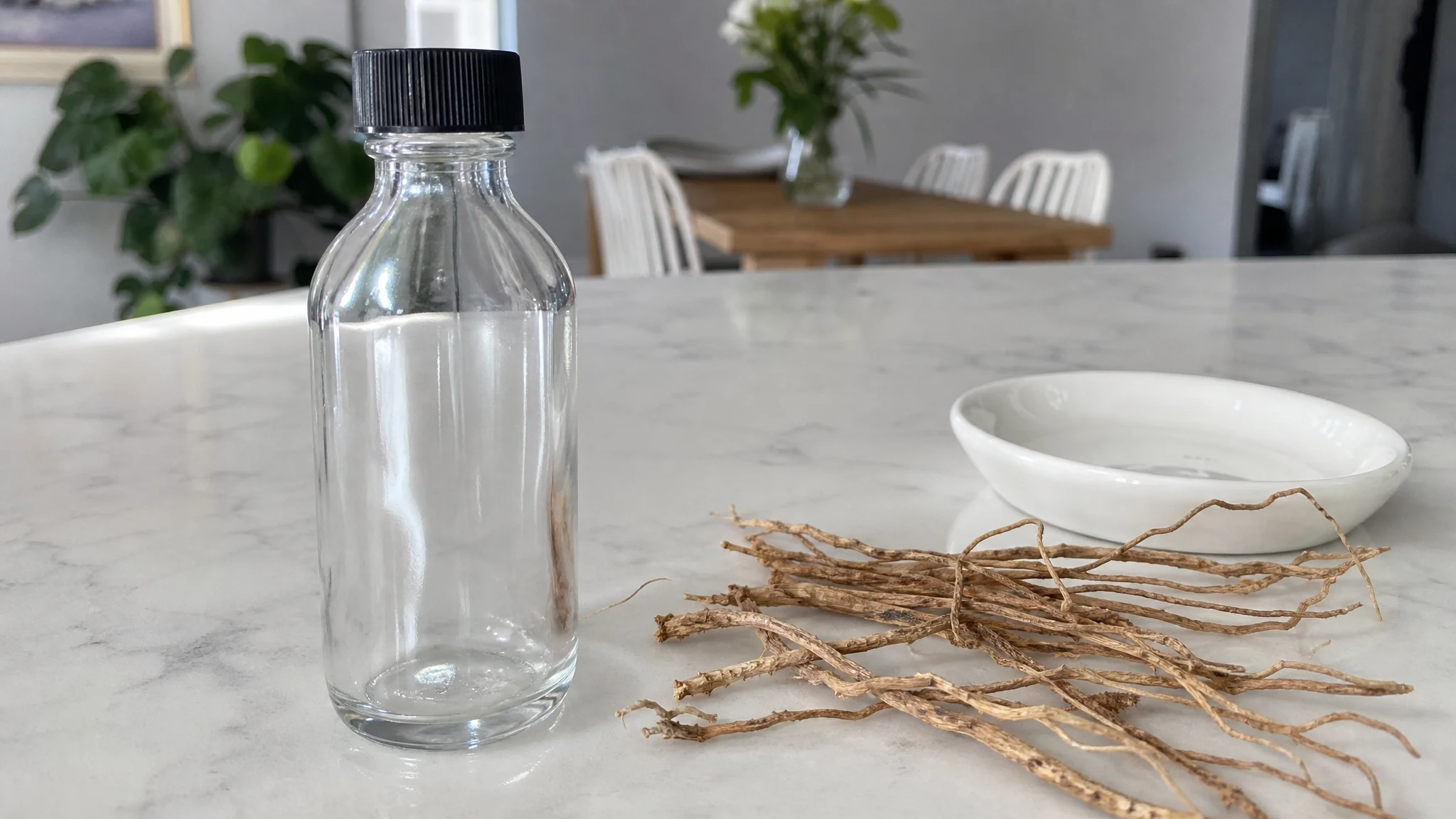
How to Read a Vetiver Oil Label: A Buyer's Checklist
There is no official ladder of vetiver oil grades. Here is how to read a label, what a standard actually covers, and what to ask any seller before buying.
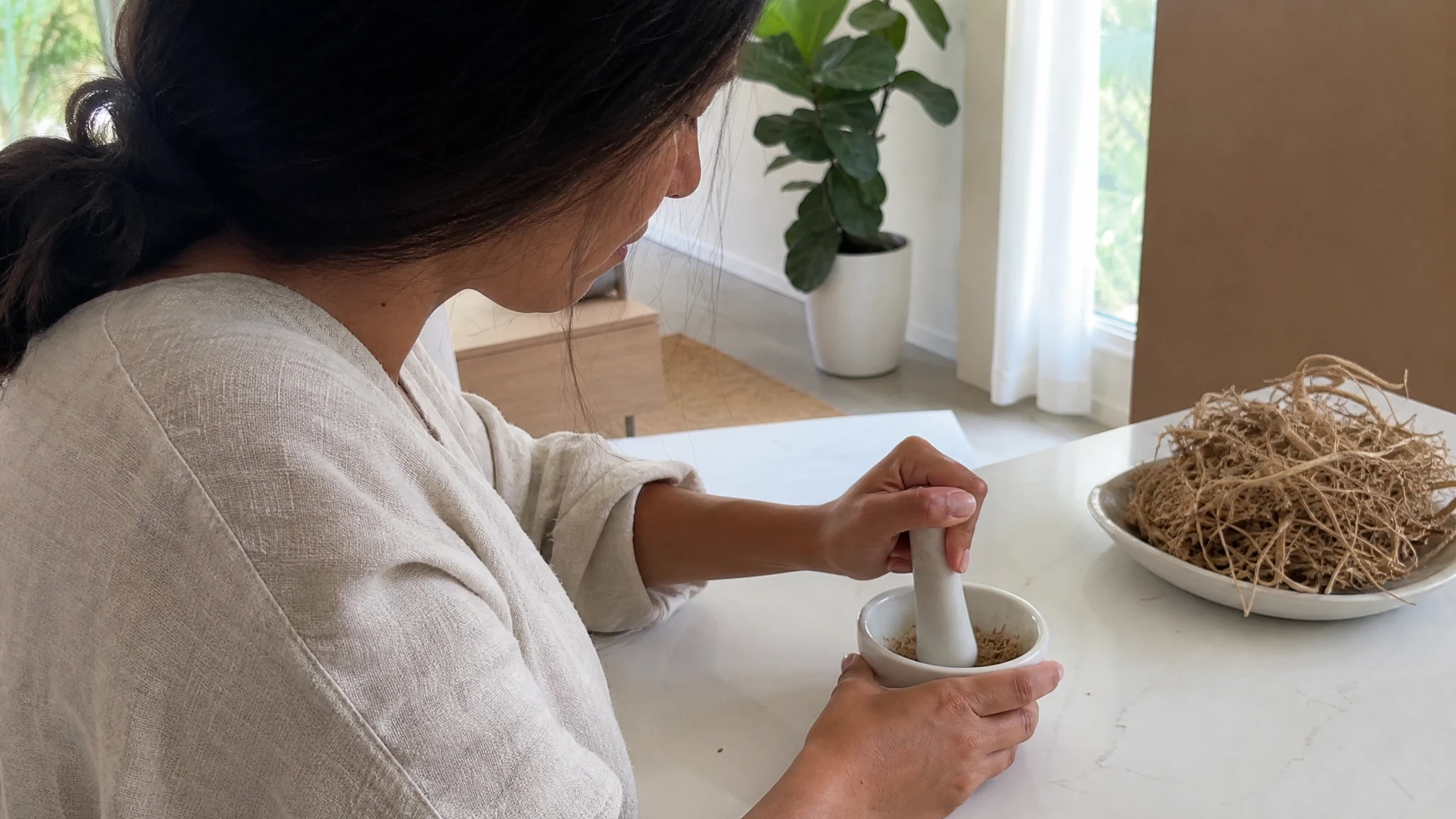
Vetiver Oil Chemistry: What Makes It Smell Like Vetiver
Vetiver oil holds hundreds of compounds, but its scent rides on a few trace molecules. Here is the chemistry in plain English, and why bottles differ.

Vetiver Grass and Soil Erosion: Hedge Versus Oil Crop
Vetiver hedges hold soil on steep slopes, but the oil comes from the roots. Here is what field studies and Haiti reports show, and what to ask a supplier.
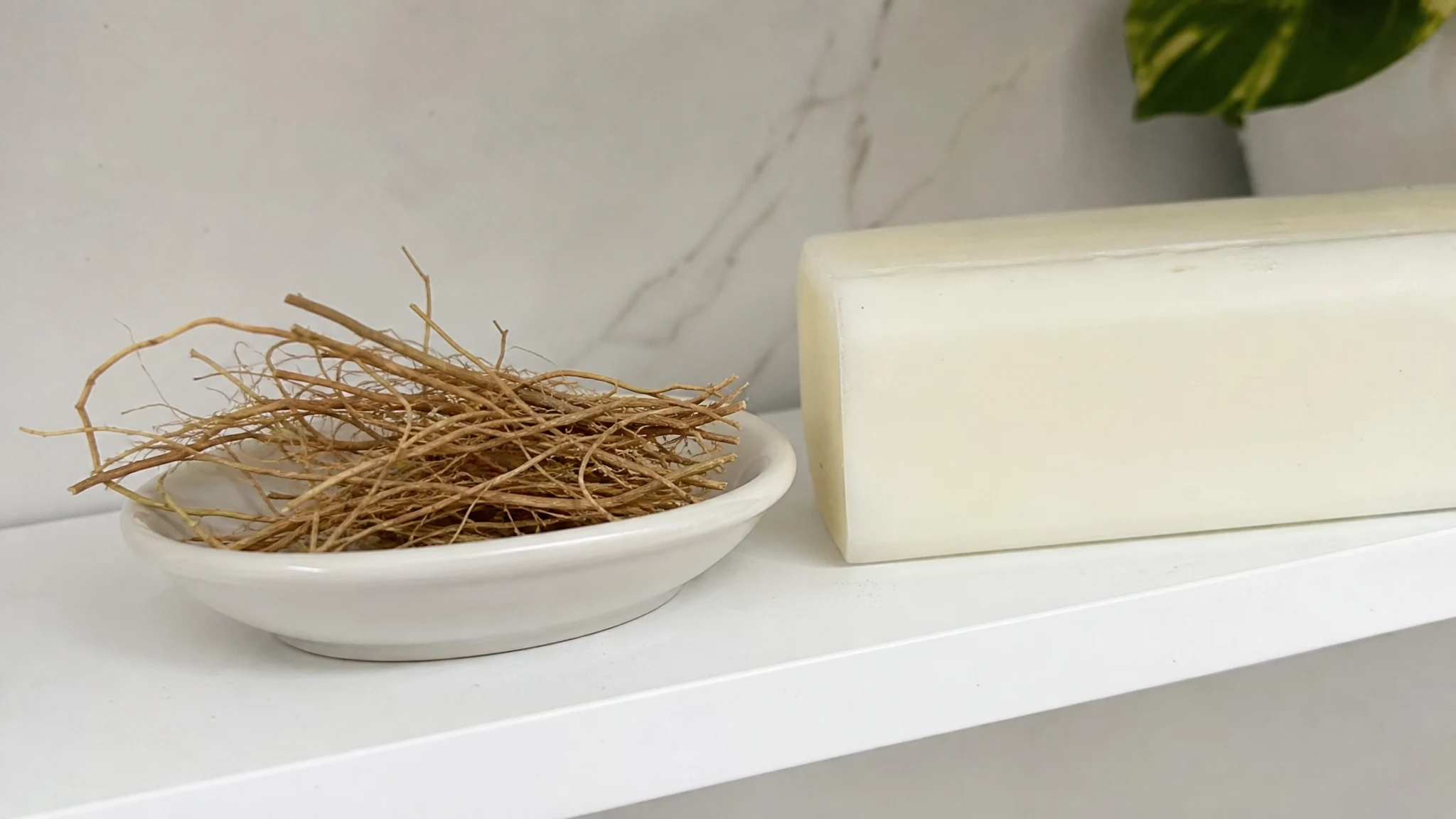
Does Vetiver Oil Help Acne? What the Studies Show
Vetiver oil slowed acne bacteria in a dish. Here is what that does and does not mean for your face, and where we think the oil really belongs.

Vetiver Oil Safety: Dilution, Patch Tests and Storage
Vetiver oil goes on skin diluted, never neat. See the dilution ranges, the weight arithmetic for a thick oil, and who should ask a professional first.
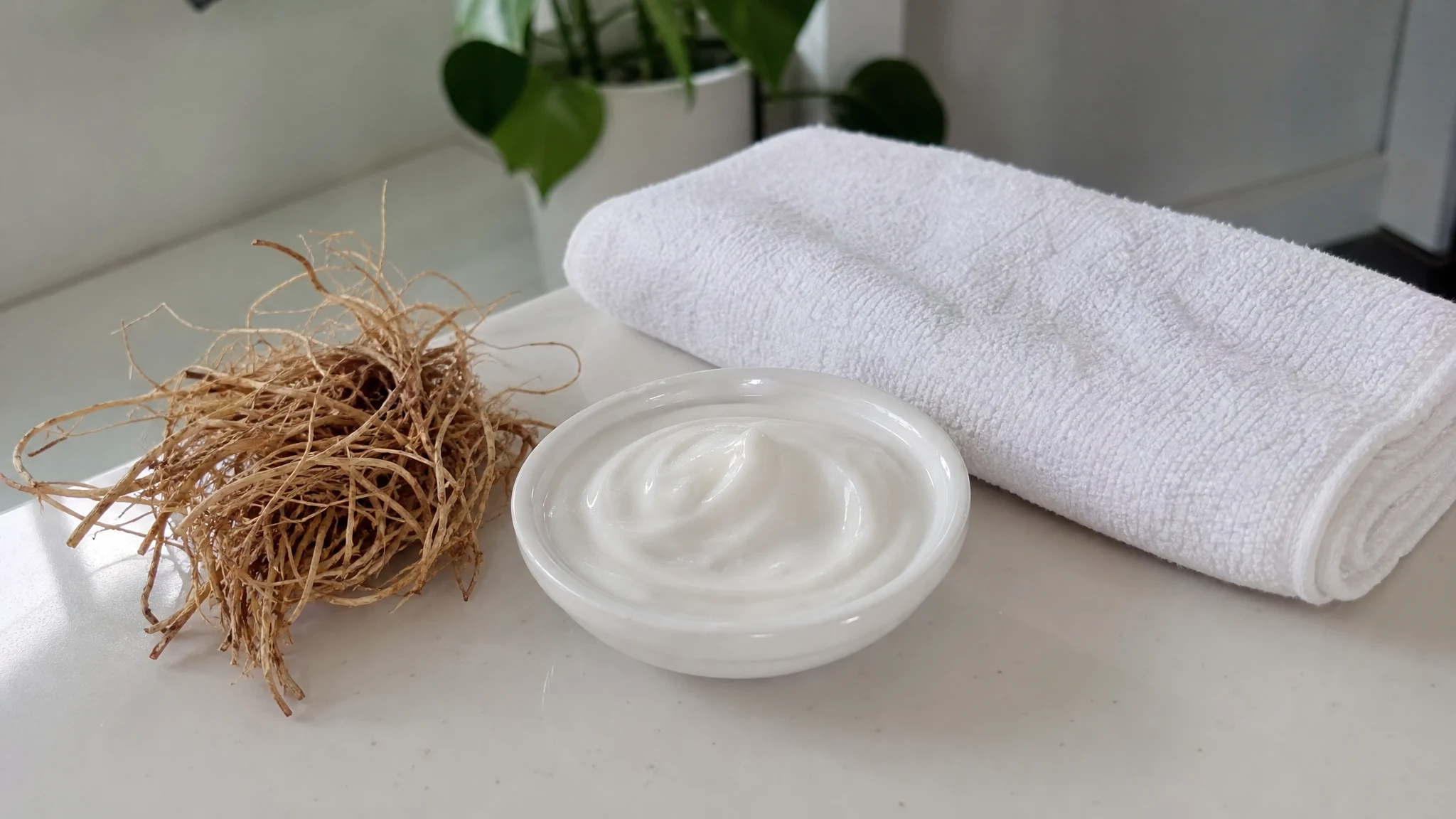
Vetiver Oil on Skin: How to Dilute It for Scent
Vetiver is a lovely scent for a balm or massage oil, as long as you dilute it. Here is how much, how to patch test, and what the allergy research says.

Vetiver History: From Indian Cooling Screens to Chanel
From cooling root screens in India to Chanel and Guerlain: vetiver's dated story, how Haiti took the lead and when its key smell was finally solved.
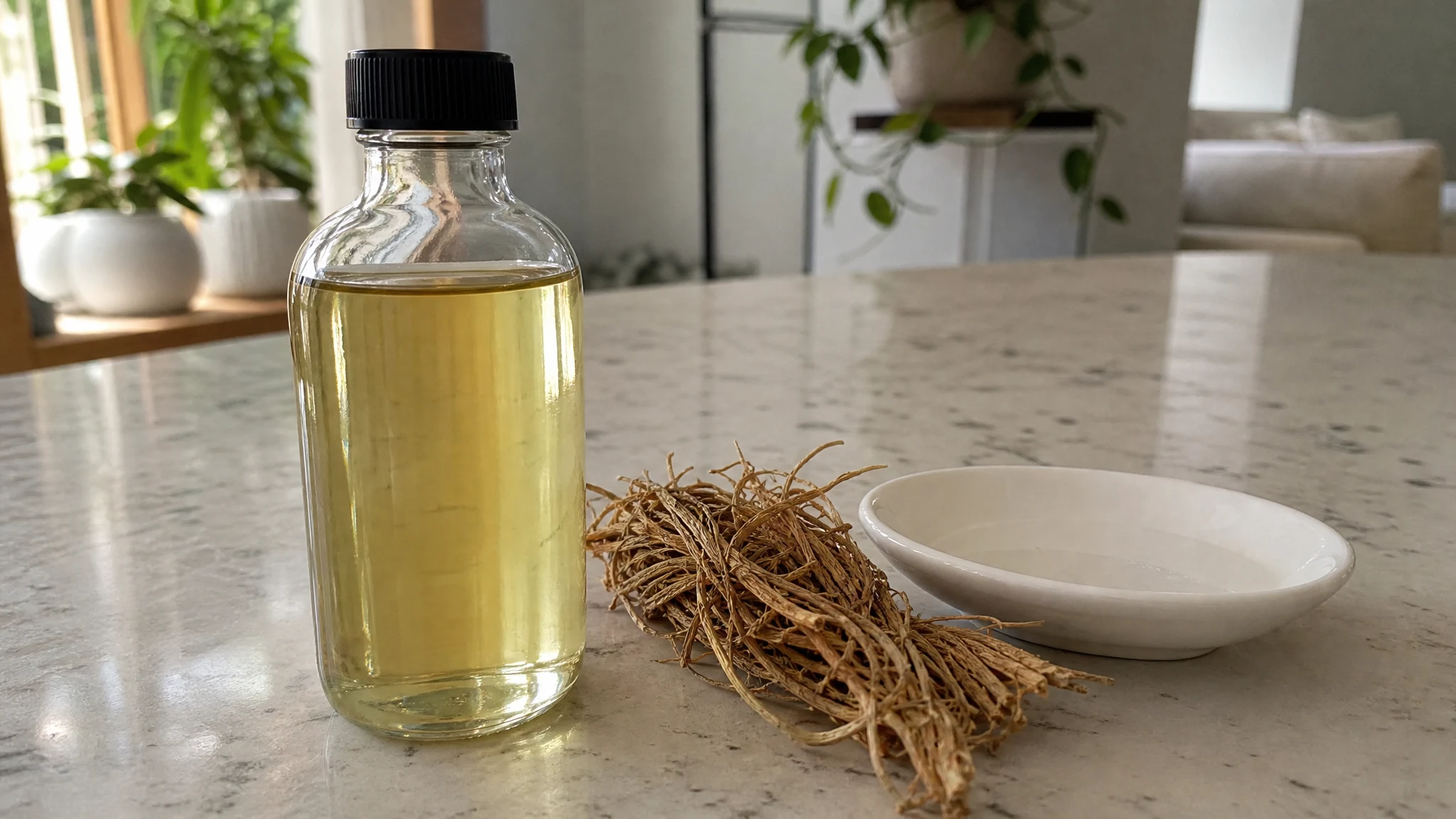
Is Vetiver Oil Right for You? What It's Really Like
Deep, earthy, smoky-sweet and very thick: what vetiver oil is like to own, how to use it, and what the research says, so you can decide if it suits you.

Khus Oil vs Vetiver Oil: What's the Difference?
Khus is vetiver with a story: wild North Indian roots, copper stills, no sandalwood base. See how it differs from the steam-distilled oil most of us buy.

How Vetiver Grass Is Harvested: Digging, Drying, Distilling
Vetiver oil begins as a grass whose roots are dug by hand after more than a year. Follow the crop from field to still, and see why timing shapes the oil.