Khus Oil vs Vetiver Oil: What's the Difference?
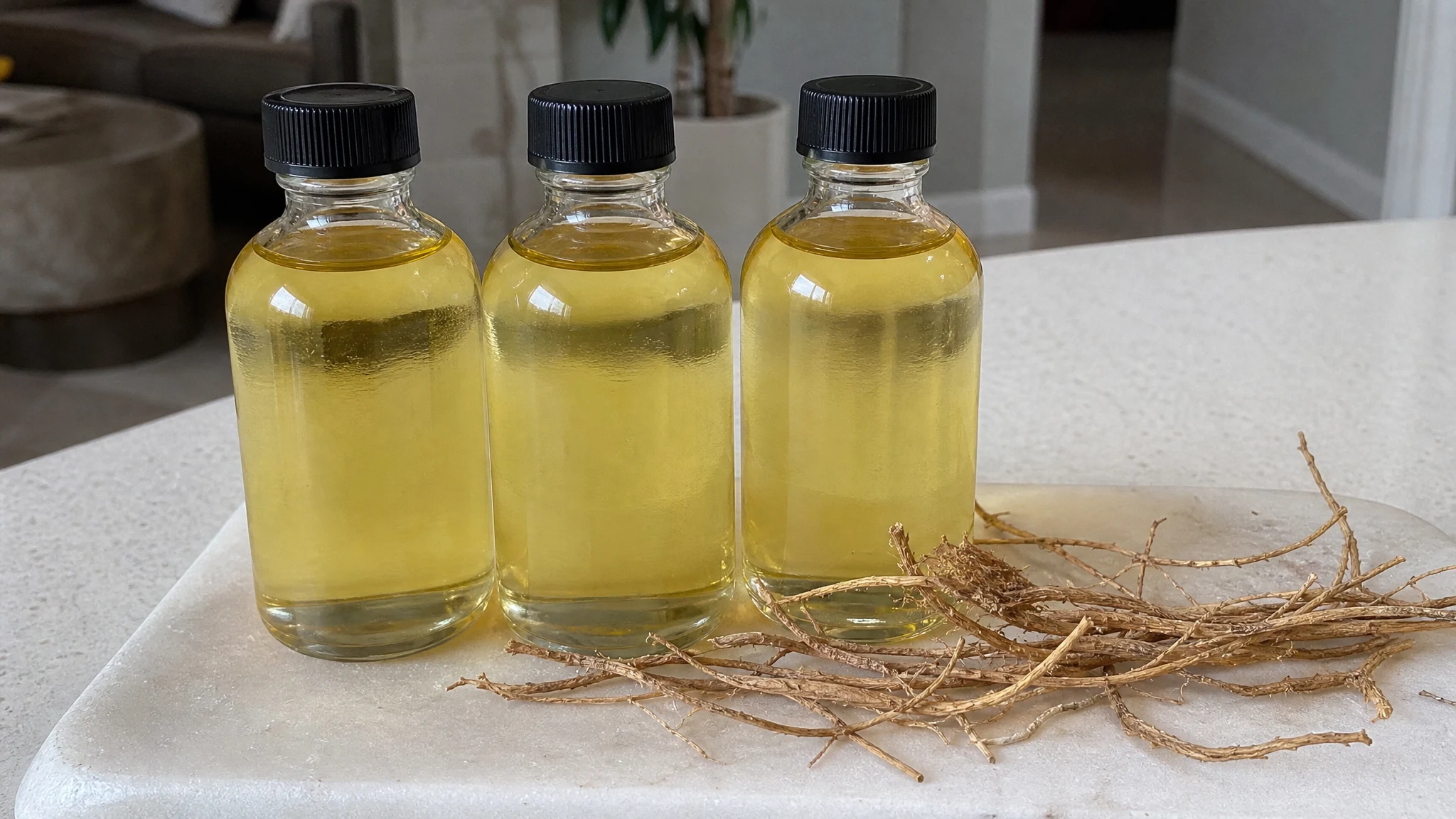
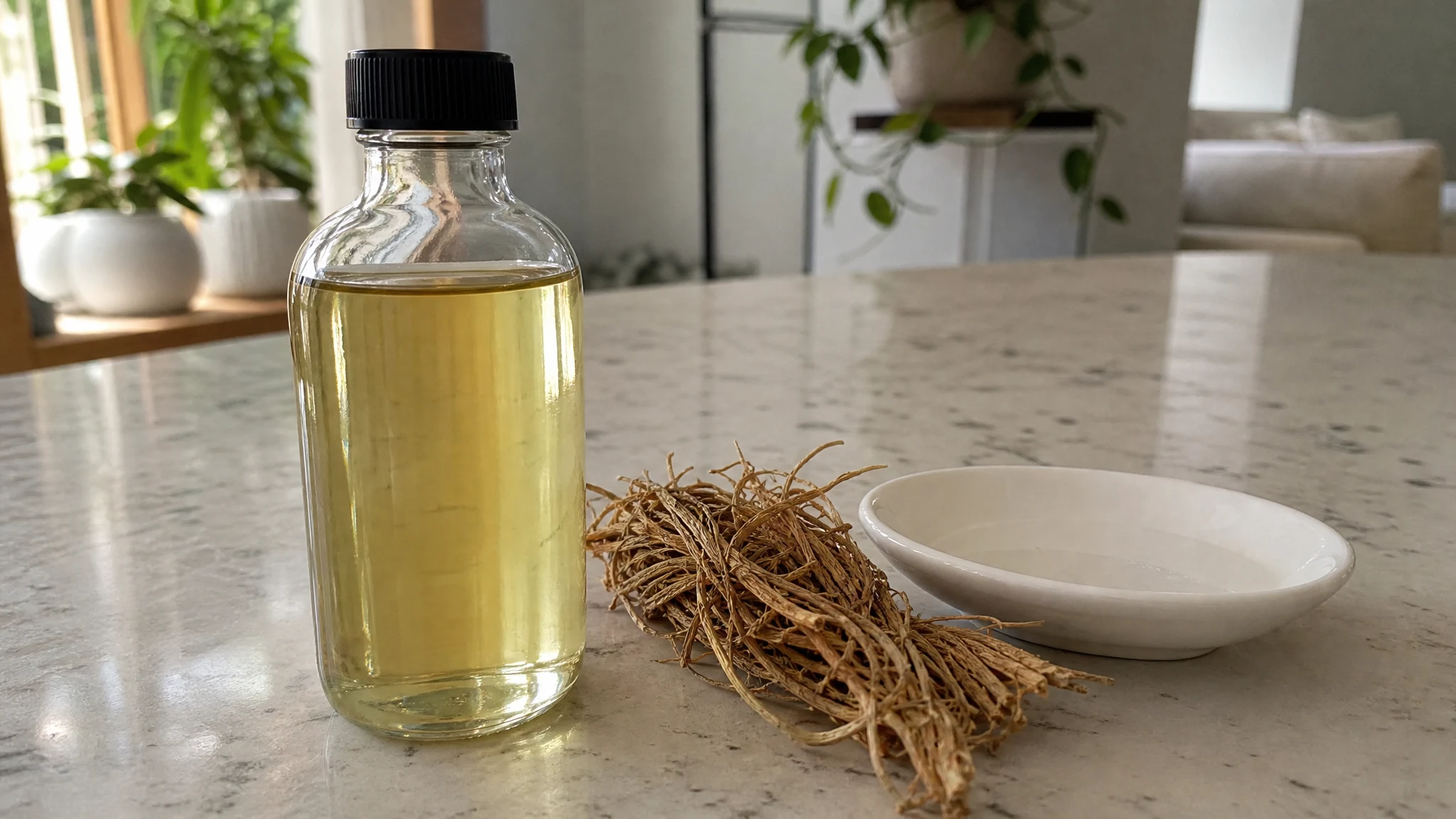
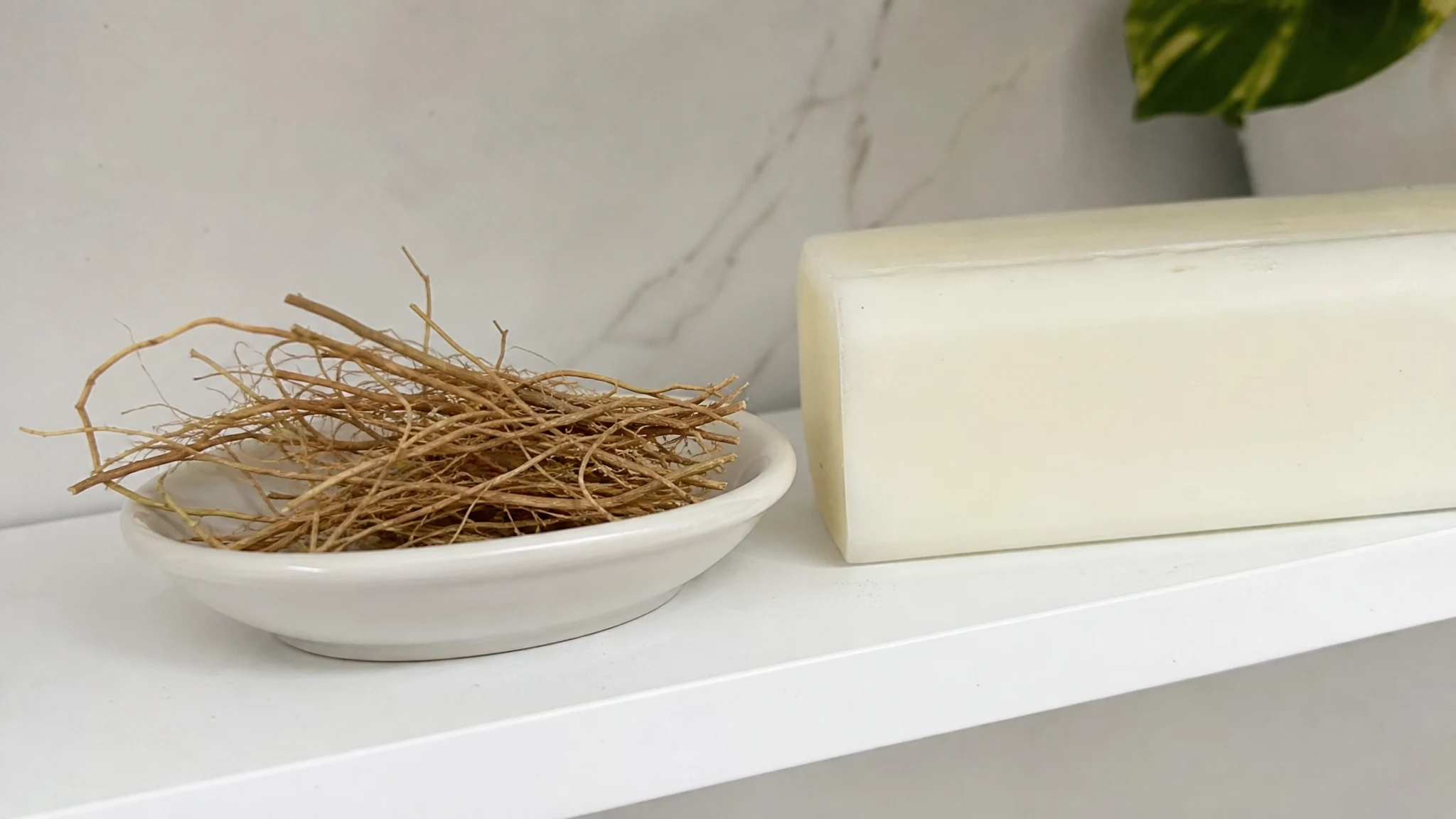
Ask ten perfumers what khus is and you may get ten slightly different answers, because the word is part botany, part geography and part tradition. Khus is vetiver, the same grass root, but it points to a particular corner of India and a particular way of making the oil. The oil we sell is a steam-distilled vetiver from southern Haiti, so it is not khus, and we think the difference is worth knowing before you buy either one.
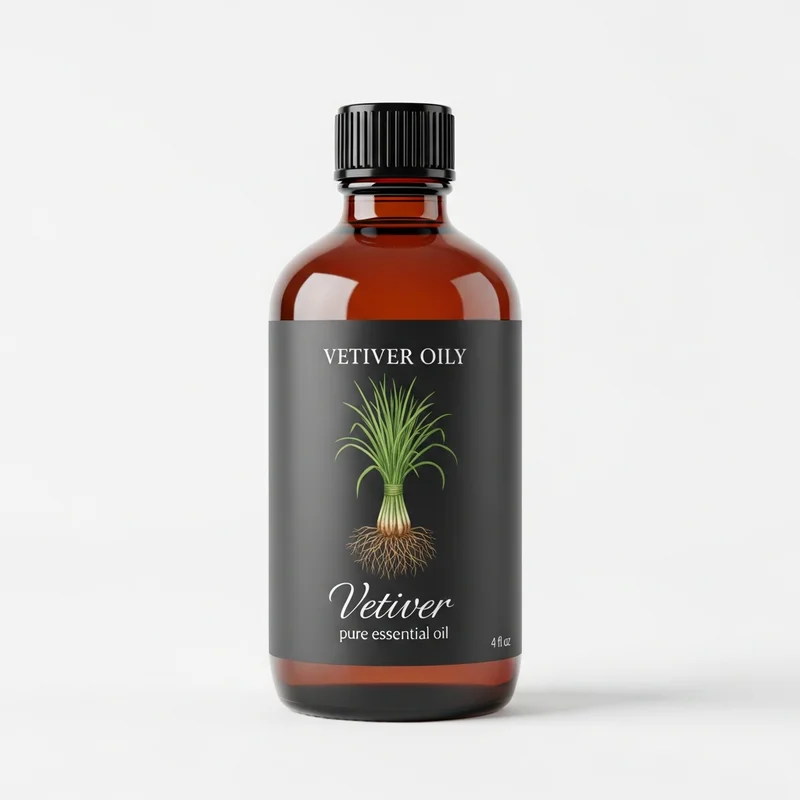
Vetiver Essential Oil
Our own Vetiver Essential Oil, in sizes from 0.5 oz to bulk.
From $20.99
Shop Now →A name that travelled with the root
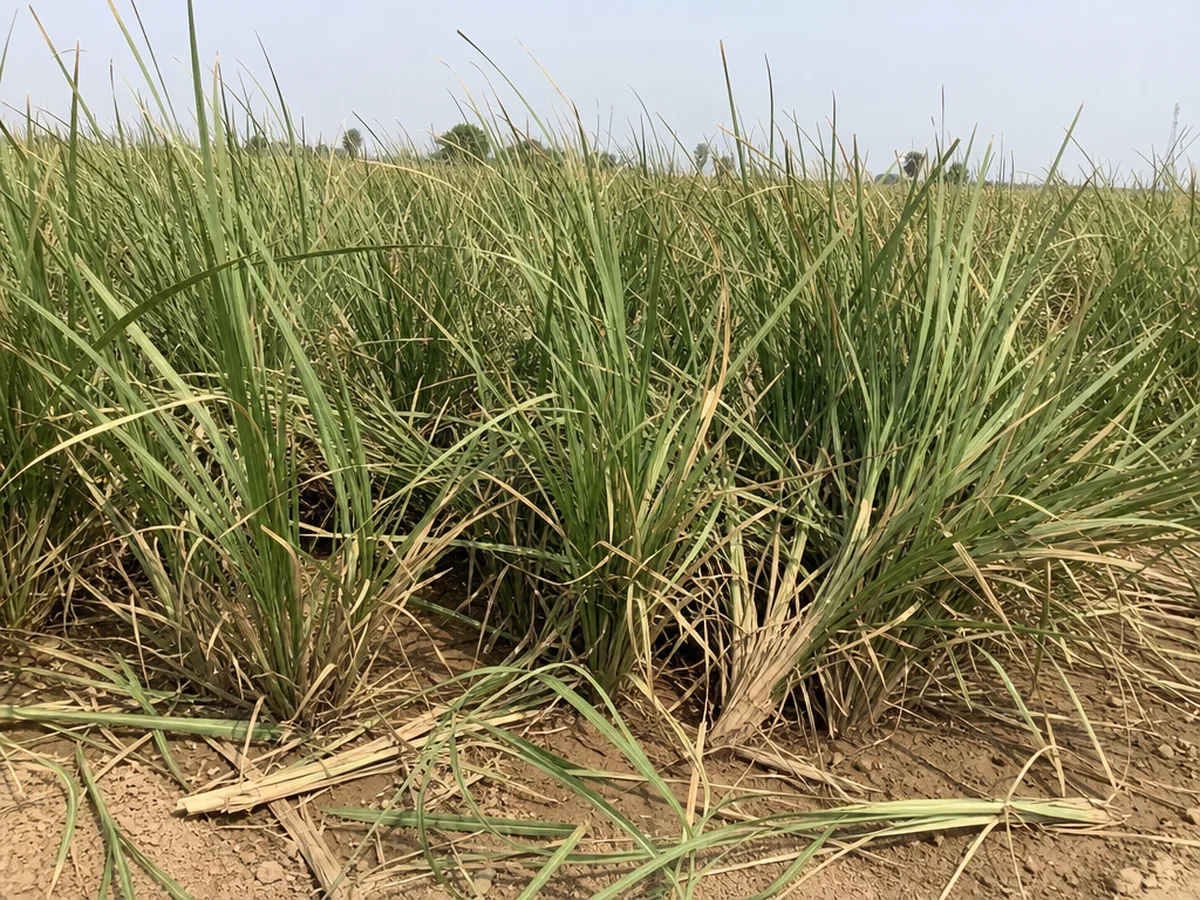
The plant is Chrysopogon zizanioides, long filed under the older name Vetiveria zizanioides. The English word comes from the Tamil vettiveru, and the Osmothèque, the French perfume archive, says wild vetiver from Indonesia and the Indian peninsula has been called khus khus or khus oil for several centuries (Osmothèque). It also notes that Sanskrit ayurvedic treatises written around 1,000 BCE attest to the root's long use in India, which is the archive's statement and a lovely thing to know even if the exact date is hard to pin down.
A 2017 review in Medicines puts the botany simply: there are two main forms of vetiver, a fertile form from India generally known as khus oil, and a non-seeding, sterile form grown outside India. Both make essential oil (Burger et al., Vetiver Essential Oil in Cosmetics: What Is New?). So khus is, in the narrow sense, the oil of the Indian form.
Ruh khus: the copper-still version
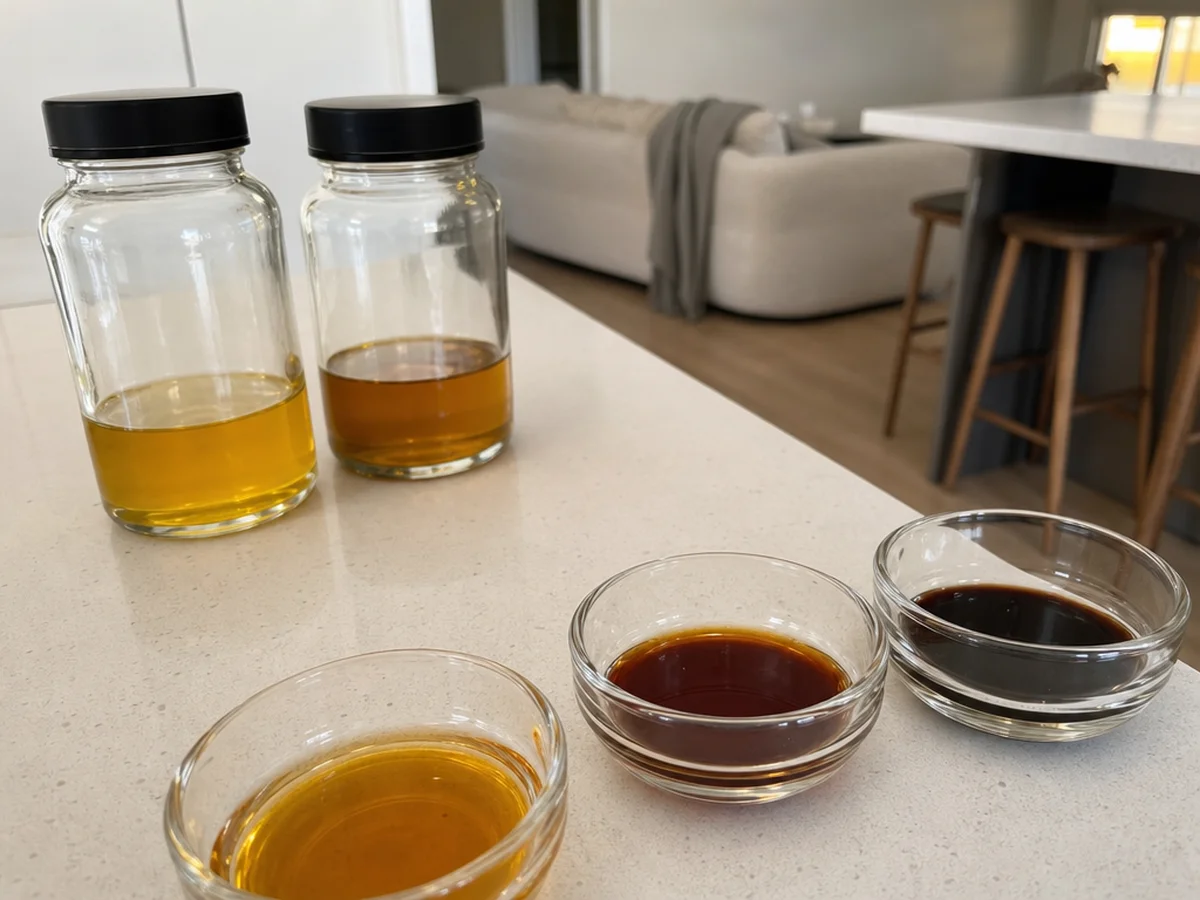
The most famous khus product is ruh khus, made in Kannauj in Uttar Pradesh. A fragrance supplier's long account of a 1995 visit there describes the whole process. Wild vetiver roots are dug in the dry months after the monsoon, soaked, and loaded into copper stills set on earthen ovens. The stills are sealed with clay, run at low pressure and carry on for roughly twelve to twenty-four hours. In Kannauj's attars the vapour is caught in sandalwood oil, but for ruh khus the receiving vessel holds no sandalwood, so the result is a plain distilled oil, which the author describes as dark, thick, brown and almost syrup-like (Fraterworks, Ruh Khus - Oil of Tranquility).
That is a different craft from ours. Ruh khus is hydro-distilled in copper; our oil is steam-distilled from roots, and the two do not come from the same plants or the same kind of still. We would never tell you ours smells the same, and we would rather you knew that than guessed.
The cooling root: where khus lives outside the bottle
Part of why khus has such a devoted following is that in India the root has always been much more than a perfume material. The same account describes woven root screens called khus chiks, hung at windows and sprinkled with water so a breeze comes through cooled and gently perfumed, miniature khus pavilions sold to pilgrims at Nathdwara, and clay water pots wrapped in roots. Those are uses of the root itself, and they explain why many people think of khus as a cool, damp, green-earth smell, not only a base note. It is a nice thing to keep in mind when you smell any vetiver oil: you are smelling something that grew underground and has been prized for exactly that wet-soil character for a very long time.
How the oils differ on the shelf
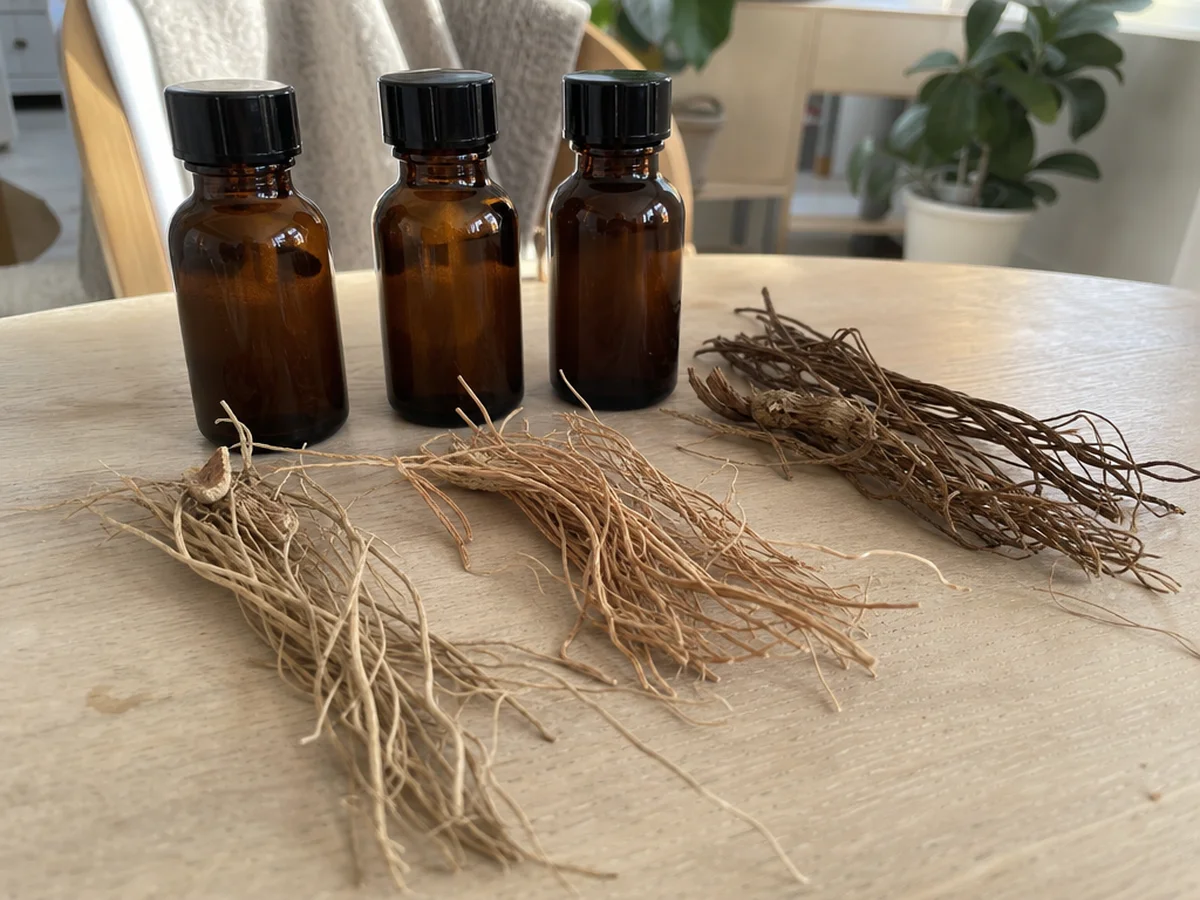
Most commercial vetiver oil in the world comes from elsewhere. The 2021 Angewandte Chemie paper on vetiver's key odorant estimates worldwide consumption at 300 to 400 tonnes a year and says about 60% of it comes from the Les Cayes commune of Haiti (Ouyang et al., The Smelling Principle of Vetiver Oil, Unveiled by Chemical Synthesis). Perfumers, meanwhile, work with three named families: Bourbon, Haitian and Javanese. The Osmothèque describes Haitian oil as smoky, woody and a little green, and Javanese oil as earthy, bitter and extremely smoky.
Khus sits outside that trio as its own tradition. If you are comparing, the useful questions are practical ones. Is it a wild-dug or farmed root? Hydro-distilled or steam-distilled? Is it a plain oil or sitting in a sandalwood base? Our guide to Haitian, Javanese and Indian vetiver goes further into origin, and what vetiver smells like will help you describe what you are looking for.
Smelling the difference yourself
If you ever get the chance to smell a khus oil next to a Haitian vetiver, do it slowly and on paper strips. Let each one sit for a few minutes before you judge it, because the first impression of a dark root oil is rarely the whole story. You may find one reads greener and damper and the other smokier and sweeter. A note on a card, one line per oil, will help you remember which was which a week later.
Choosing between them
If you want the classic Indian ruh khus, buy it from a distiller who can tell you the district, the still and whether the oil is neat. We do not sell it. If you want a dense, smoky-sweet vetiver for perfumery, home fragrance or a diffuser, that is what we offer: a single steam-distilled vetiver oil from southern Haiti, sold neat, so the dilution is yours to work out. Our guidance is 0.5% to 2% in a carrier oil for skin, with a patch test first, and a good place to start your reading is how vetiver behaves in perfumery.
The Certificate of Analysis we publish covers one batch and lists density and refractive index. If you need a GC-MS report for your lot, ask us in writing through the contact page before you order. For a bit of the story behind all of this, the history of vetiver traces how a cooling grass from India became a pillar of modern perfume.
Khus and Haitian vetiver share a root and a reputation, and the more you smell of each, the more distinct they become.
Vetiver Essential Oil
Vetiver Essential Oil from our own shop, in sizes from 0.5 oz to bulk.
From $20.99
Shop Now →Sources & Further Reading
- Vetiver : a palette of woody fragrances (Osmothèque, 2015)
- Vetiver Essential Oil in Cosmetics: What Is New? (Burger et al., Medicines, 2017)
- Ruh Khus - Oil of Tranquility (Fraterworks)
- The Smelling Principle of Vetiver Oil, Unveiled by Chemical Synthesis (Ouyang et al., Angewandte Chemie, 2021)