What Does Vetiver Smell Like? Wet Earth, Smoke and Wood
Open a bottle of vetiver and the first thing most people say is that it smells like rain on dry ground. Then comes smoke, then something woody and faintly sweet that lingers long after the bottle is closed. It is one of the most distinctive scents in perfumery, and it is easier to understand than it first seems.
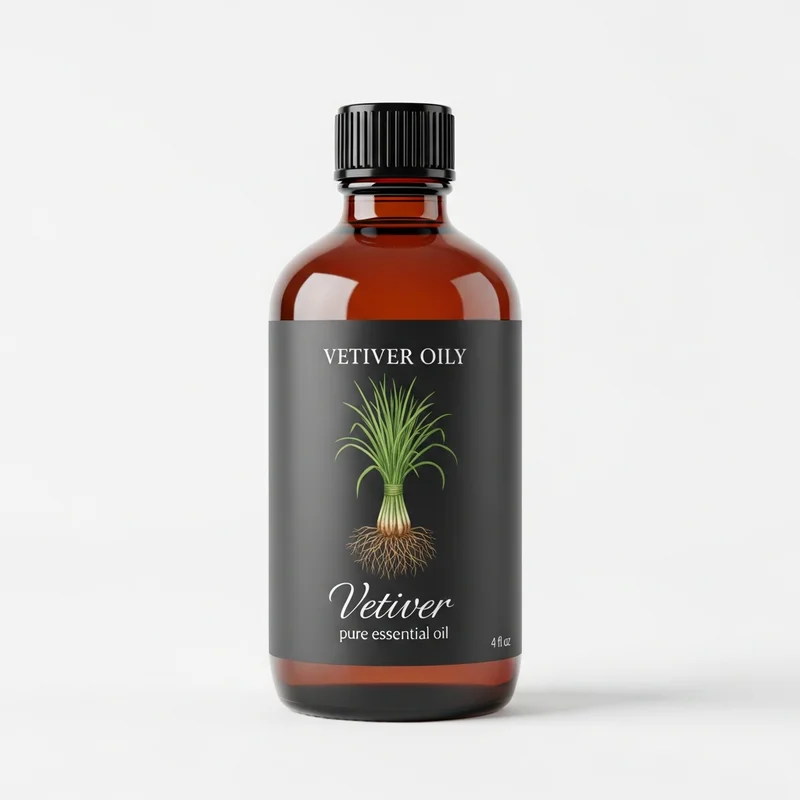
Vetiver Essential Oil
Our own Vetiver Essential Oil, in sizes from 0.5 oz to bulk.
From $20.99
Shop Now →The words people reach for
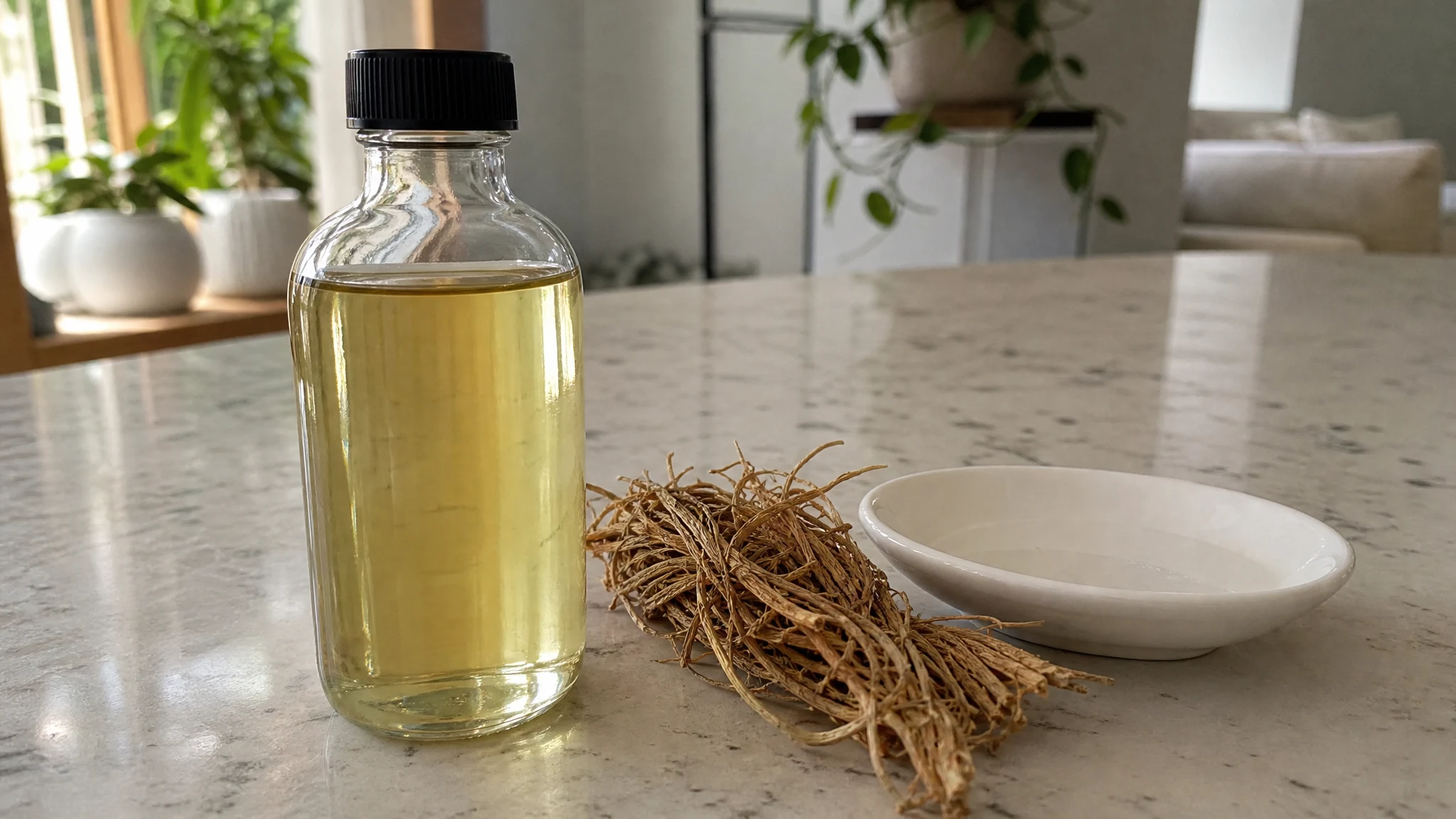
Descriptions of vetiver are strikingly consistent. The international standard for the oil, ISO 4716, calls the odour woody and earthy and describes the oil itself as a viscous, yellowish-brown to reddish-brown liquid. The French perfume archive, the Osmotheque, has written of vetiver as a palette of woody fragrances, with several distinct styles. We describe ours as deep, earthy and smoky-sweet, and that is what we would tell you if you walked into the shop and asked.
Why it smells like soil
There is real chemistry behind the comparison. Researchers who sniffed fractions of a Haitian vetiver oil found that geosmin, the molecule responsible for the smell of turned soil and rain-wet ground, supplies the earthy part. Vetivones and nootkatone add a surprisingly fresh, grapefruit-like lift at the top, and a creamy, sandalwood-like note sits underneath. They also identified a trace compound, detectable at tiny concentrations, as the main carrier of the typical vetiver aura. If you want that story in full, we walk through it in our post on vetivone and khusimol.

So the earthiness is not a flaw or a trick of the imagination. It is built into the oil, and it is a big part of why vetiver pairs so well with bright citrus and sweet florals: it gives them somewhere to stand.
Origin changes the accent
Vetiver from different places does not smell identical. The Osmotheque article sketches three styles. Reunion, or bourbon, vetiver is earthy, rooty, spicy and leathery, with hazelnut and a slightly rosy facet. Javanese vetiver, known as akar wangi, is earthy, bitter and extremely smoky. Haitian vetiver is smoky, woody and a little green. Those are one archive’s impressions, not a measured panel, but they match what you would expect from oils made in different places from differently grown plants. If this fascinates you, our comparison of Haitian, Javanese and Indian vetiver goes further.
Neat, diluted and worn
The descriptions above are of the oil itself, and the neat oil is the loudest, rootiest version of vetiver you will meet. It is thick and slow-pouring, and a little goes a very long way. Reasoning from how fragrance works, once vetiver is spread through a carrier or an alcohol base, the dark smoky edge softens and the dry, woody, slightly sweet side comes forward. That is why a vetiver cologne can smell cleaner and lighter than the oil it was built on.
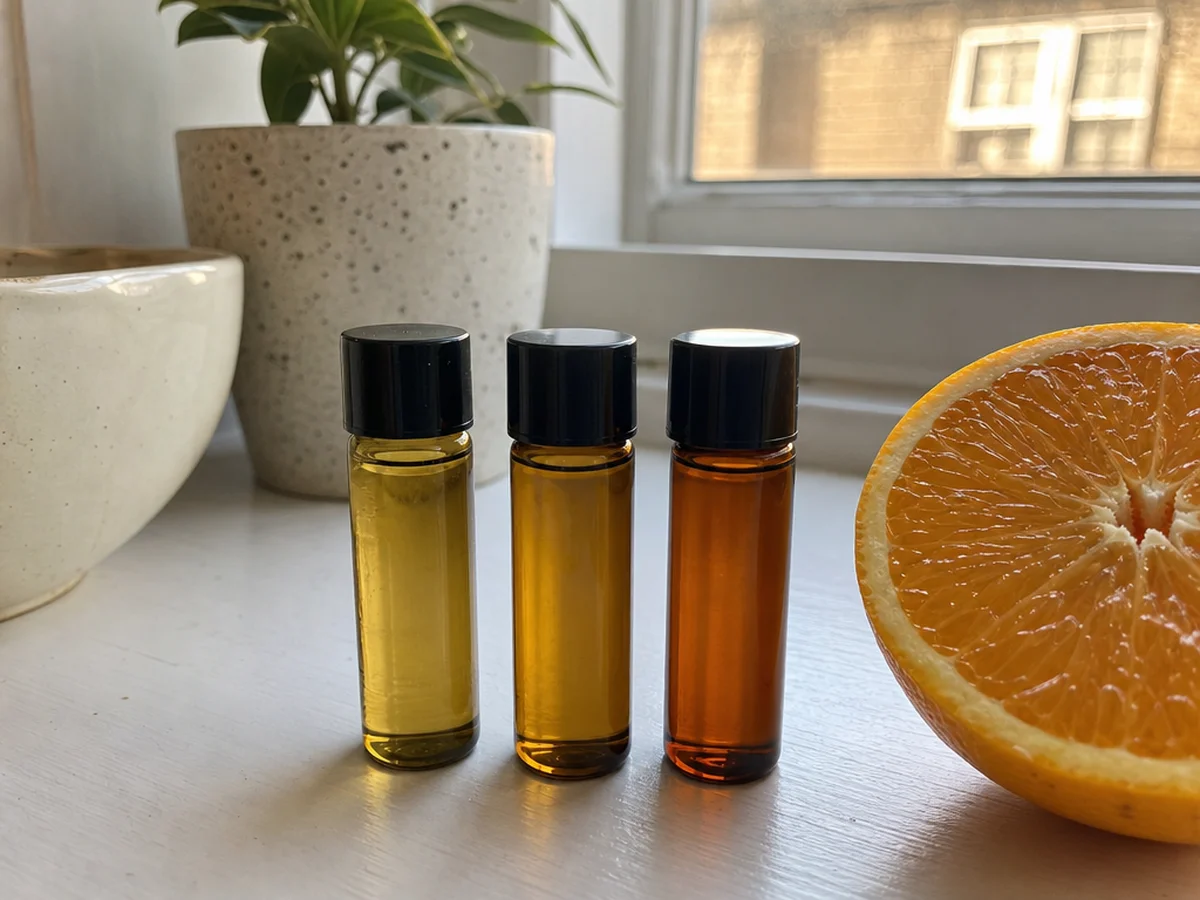
A practical tip for a first meeting with the scent: do not sniff straight from the bottle for a long time. Dip a paper strip, wave it, and come back to it after a few minutes and again after an hour. Reasoning from how fragrance notes behave, the lighter grapefruit-like top should fade first, with the earth in the middle and the creamy base lasting longest, which is the order the researchers describe. If you plan to put it on skin, dilute it to 0.5% to 2% in a carrier oil and patch test first, as we recommend for every use.
Keeping your own scent notes
If you are new to vetiver, a few lines in a notebook make the oil easier to understand. Smell a dipped strip straight away, after a few minutes and again after an hour, and jot down whichever words come to you. Some people reach for soil, rain and smoke; others for wood, hay or something faintly sweet. There are no wrong words, and a vocabulary of your own is the best way to tell vetiver apart from other earthy oils later on.
- The first moment: what is loudest, and is it welcome?
- A few minutes in: does the smoke ease, or does the earth come forward?
- After an hour: what is left on the strip?
Vetiver is thick and slow-pouring, so warm the bottle in your hands before you tip a drop onto the strip. And because it is concentrated, resist the urge to add more. One drop is plenty to learn from.
Finding your place with it
It also helps to know that vetiver is a slow mover. Because it is thick and its heavier molecules evaporate gradually, it behaves as a base note, the part of a scent that stays on a strip or a fabric the longest. That staying power is exactly why perfumers use it to anchor brighter, more fleeting ingredients.
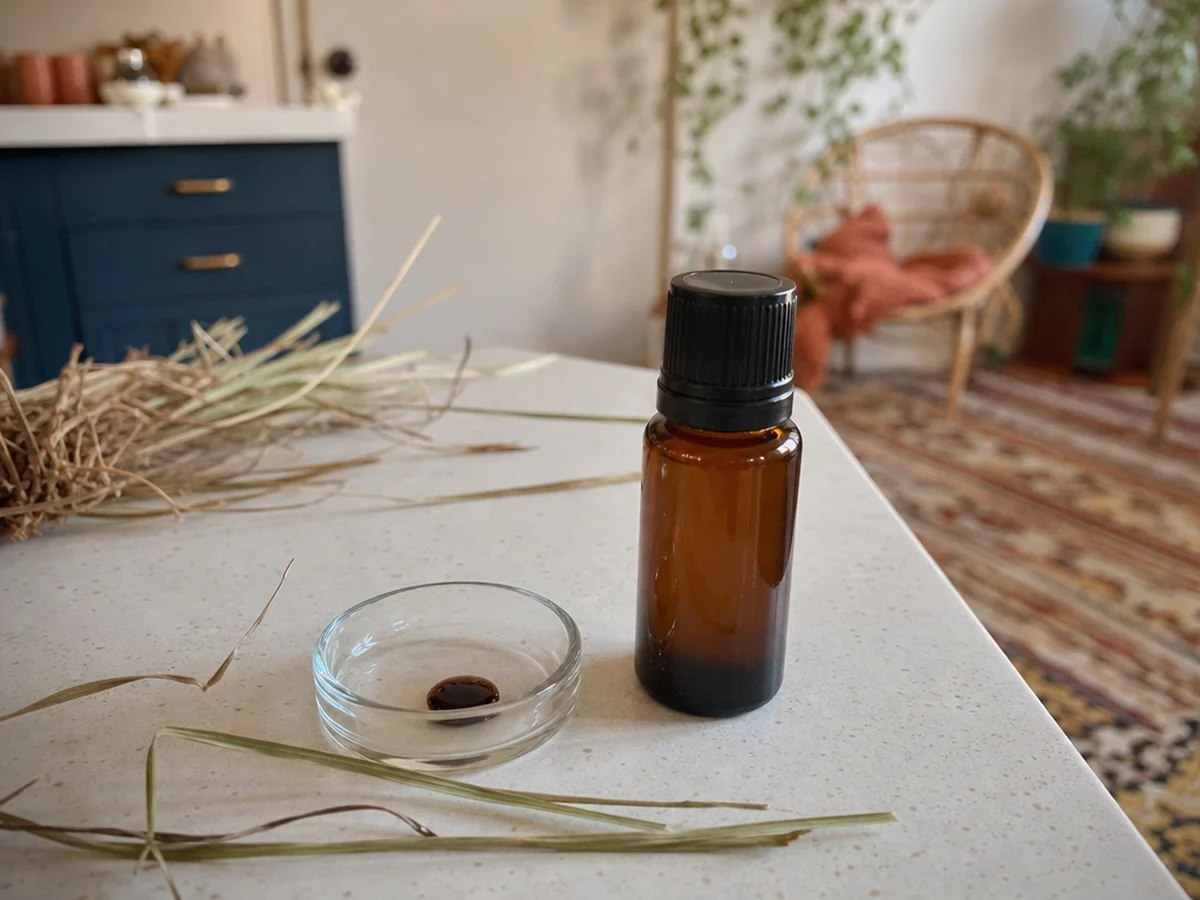
Vetiver rewards patience. If the neat oil feels too smoky on first meeting, a blend with citrus or sweet woods shows a gentler side of it, and our notes on layering vetiver as a base note show how that works. Plenty of people also enjoy it on its own, one drop on a strip, because it smells like something real.
If you share your home, ask someone else to smell a strip and tell you what they notice. Two people rarely choose the same words for vetiver, and the differences are often more interesting than the agreement.
Vetiver Essential Oil
Vetiver Essential Oil from our own shop, in sizes from 0.5 oz to bulk.
From $20.99
Shop Now →