Haitian vs Javanese vs Indian Vetiver: Does Origin Matter?
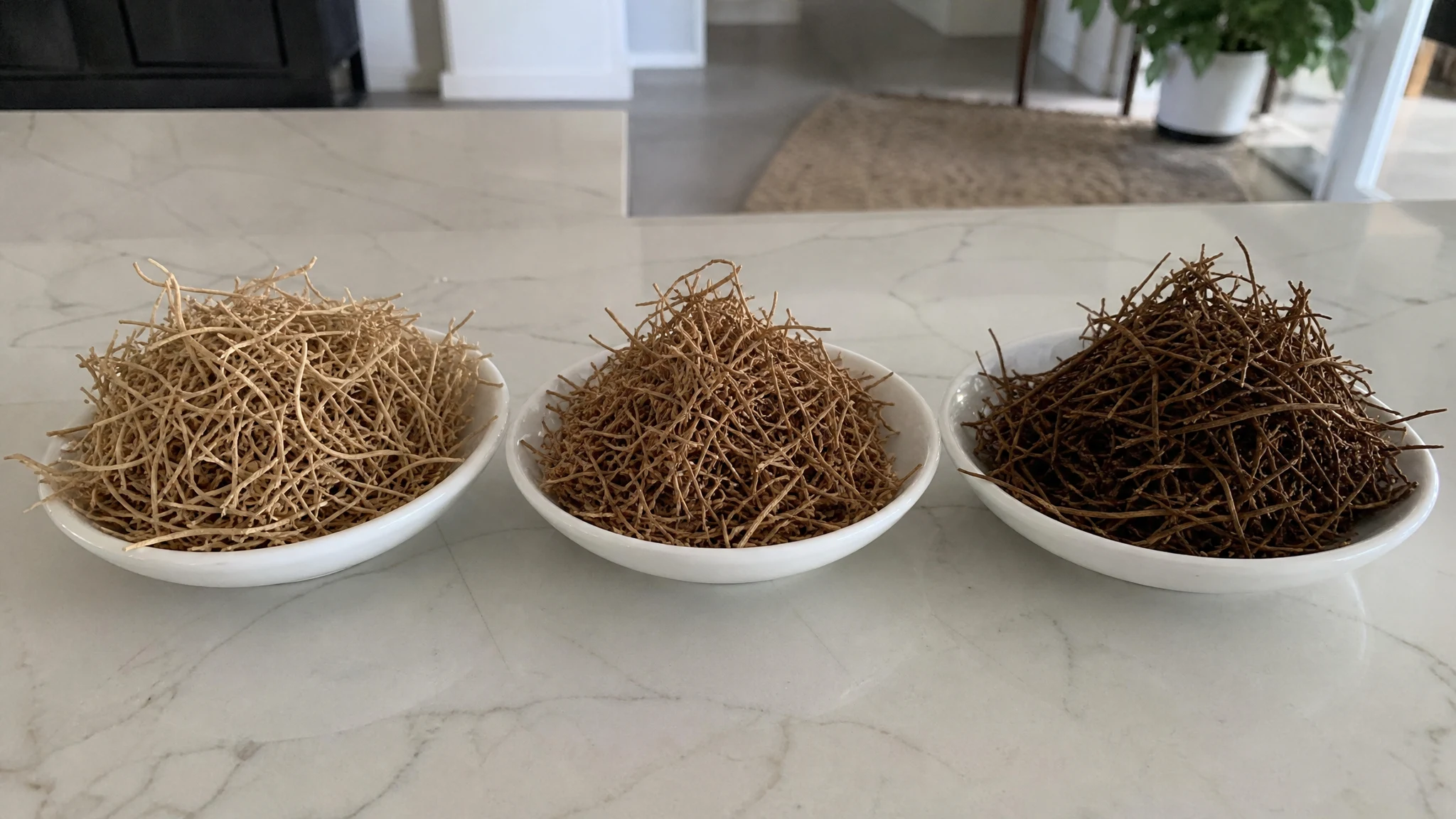
Ask a perfumer about vetiver and the first question is often where it comes from. The answer matters, because Haitian, Javanese and Bourbon vetivers do smell different. It matters a little less than the labels imply, because an origin is a starting point for the nose rather than a grade.
Vetiver Essential Oil
Our own Vetiver Essential Oil, in sizes from 0.5 oz to bulk.
From $20.99
Shop Now →What perfumers hear in each origin
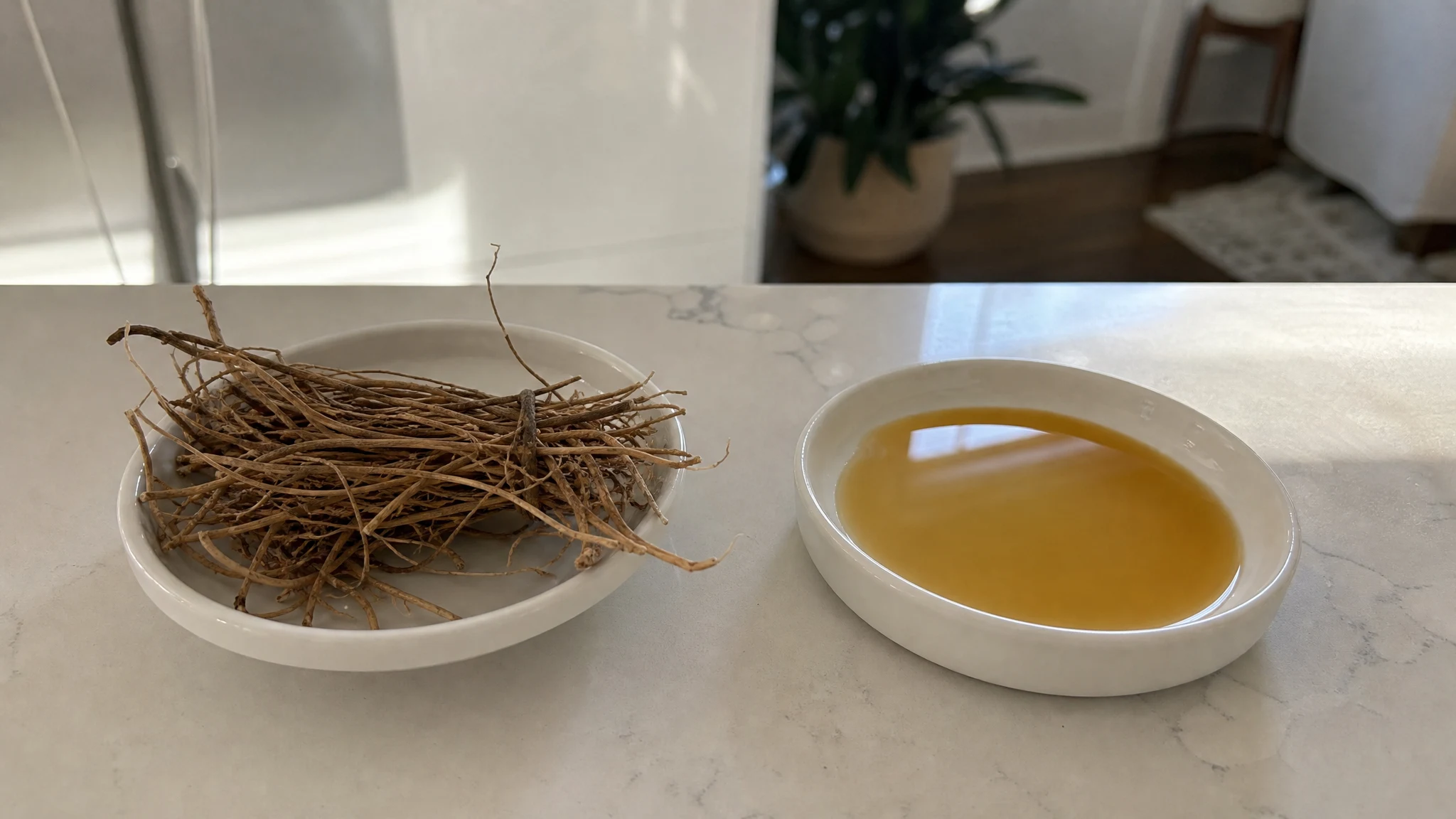
The Osmotheque, the French perfume archive, gives the clearest descriptions we have found. Haitian vetiver is smoky, woody and a little green. Javanese vetiver, called akar wangi, is earthy, bitter and extremely smoky. Bourbon vetiver, from Reunion Island, is earthy, rooty, spicy and leathery, with hazelnut notes and a slightly rosy facet. The same article says Reunion's production has become marginal because of a shortage of labour, low yields, fewer planted fields and drought, and that Haitian vetiver has taken its place as the leading oil: 74 metric tons in 2012, about half of world production.
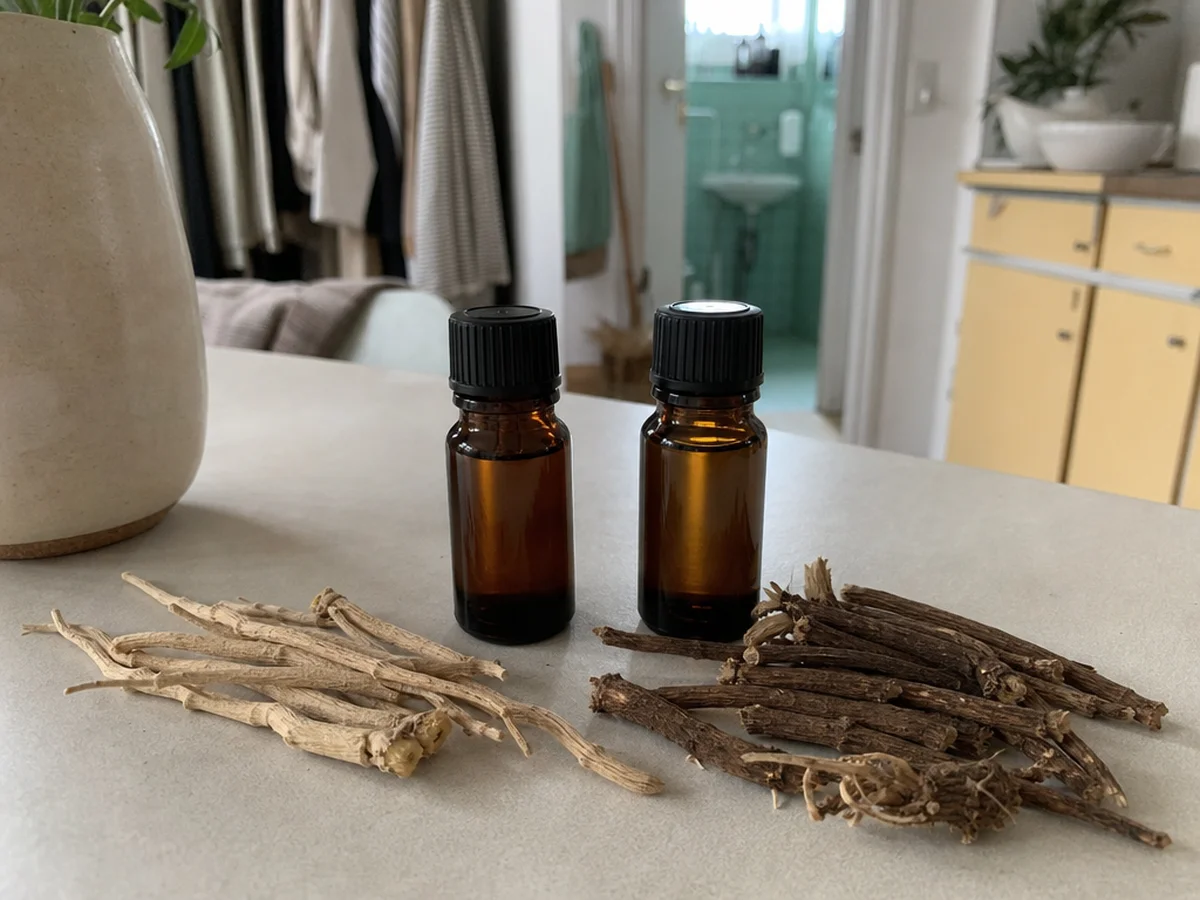
So the practical picture is simple. If you like a smoky, slightly green vetiver, Haiti is the usual source. If you want something darker and more bitter, Java fits. If you are chasing the rooty, hazelnut Bourbon style, expect a niche material that is hard to find in quantity. The article gives no scent description for Indian oil, so we will not invent one here. India has made khus oil for centuries, and our khus oil post goes into it.
Why the label is not the whole story
Chemists see more variation than the names suggest. In his review of vetiver oil in Perfumer & Flavorist, Brian Lawrence recounts that in 1970 Anderson analysed oils from Haiti, Reunion and North India and showed that the North Indian oil came from a chemically different race of the plant than the one grown commercially in Haiti or Reunion. That is a difference you can find in a laboratory.
Lawrence also reports a 1985 study that compared two of 13 different Indian strains. The amount of khusimol, the main alcohol of vetiver and a large part of its woody character, ranged from about 3% to about 28% across the strains studied. If one country can hold that kind of range, a country name alone cannot tell you what is in a bottle. Climate, soil, harvest age and distillation all play a part as well, which is why the origin of a bottle is a clue and the details of a given lot are the evidence.
What we say about ours
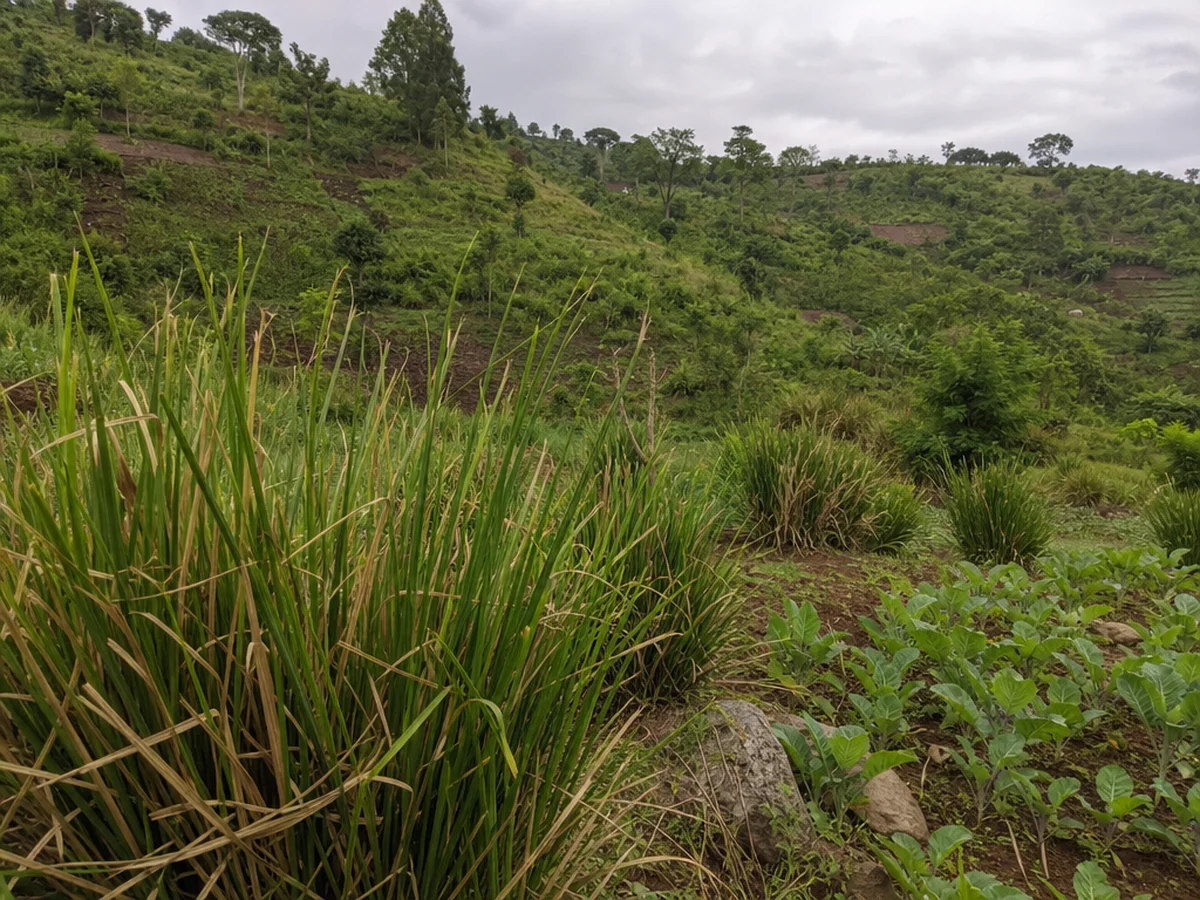
We sell one vetiver essential oil, steam-distilled from roots, and the roots come from the Sud department of southern Haiti. The Certificate of Analysis we publish covers one batch and gives its density and refractive index, so it is a record of those properties, and the origin is our statement. If you need GC-MS, optical rotation or other results for the lot you are buying, write to us through the contact page, and get what you need in writing before you rely on it. The same goes for any seller.
A smell-first way to compare
If you ever get the chance to smell vetiver from more than one place, do it properly. Label three blotter strips before you start so you do not lose track, dip each in a different oil, and smell them side by side straight away, then after ten minutes and after an hour. Rest your nose between strips by smelling your own sleeve or stepping into fresh air. Write down a few words for each one, such as smoky, green, bitter, sweet or leathery. A page of your own notes will teach you more than any table of origins.
You will meet a few names along the way. Akar wangi is the Javanese name for vetiver, khus is the Indian one, and Bourbon points to Reunion Island. They are worth knowing because they turn up on labels and in perfume notes, and each one carries a little history of how the oil has been used.
How we would use origin when choosing
- Use it as a first guess about aroma. Smoky and green points to Haiti, bitter and heavy smoke to Java, rooty and spicy to Bourbon.
- Smell before you decide. Our scent guide is a better starting point than any table, and a sample strip beats both.
- Ask for lot-specific numbers from any seller, and compare reports rather than origin names. Our post on judging a bottle before you buy covers what the standard tests can and cannot show.
- Be wary of paying extra for an origin story on its own.
For the full journey from field to bottle, read where vetiver comes from and our post on growing and harvesting. Chemists have also begun picking the smell apart: a 2021 synthesis study identified one compound, with an odour threshold of 29 picograms per litre of air, as the active smelling principle of vetiver oil, which helps explain why such a tiny amount of material carries so much character.
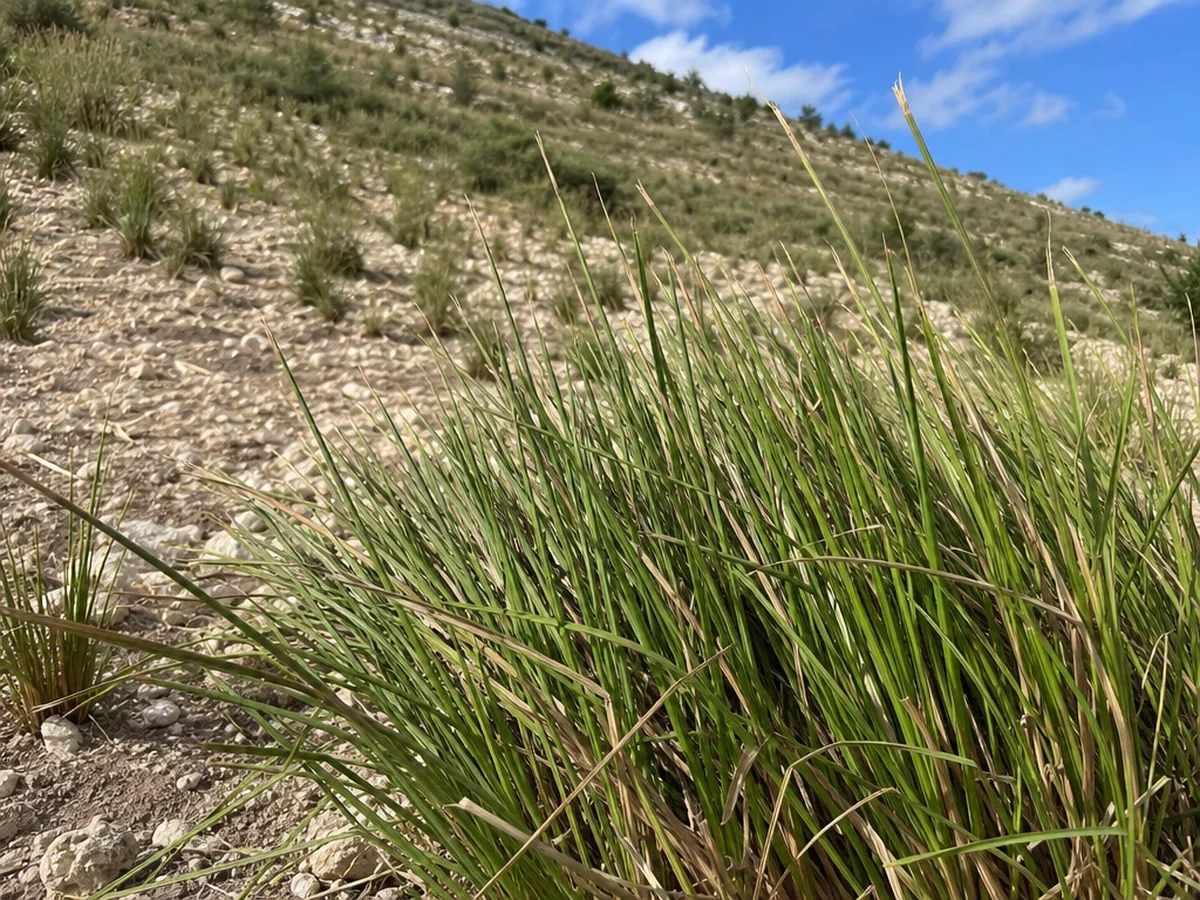
We like to think of origin as the opening line of a conversation, and the nose as the rest of it. A country on a label tells you where to start looking, and a few minutes with a strip of paper tells you whether you actually like what you find. Our own view is simple: smell first, ask good questions second, and do not let a story do the work that your nose should be doing.
Whichever origin you choose, vetiver rewards the person who smells it side by side and decides for themselves.
Vetiver Essential Oil
Vetiver Essential Oil from our own shop, in sizes from 0.5 oz to bulk.
From $20.99
Shop Now →