Vetiver Oil Around the House: 3 Simple Ways to Use It
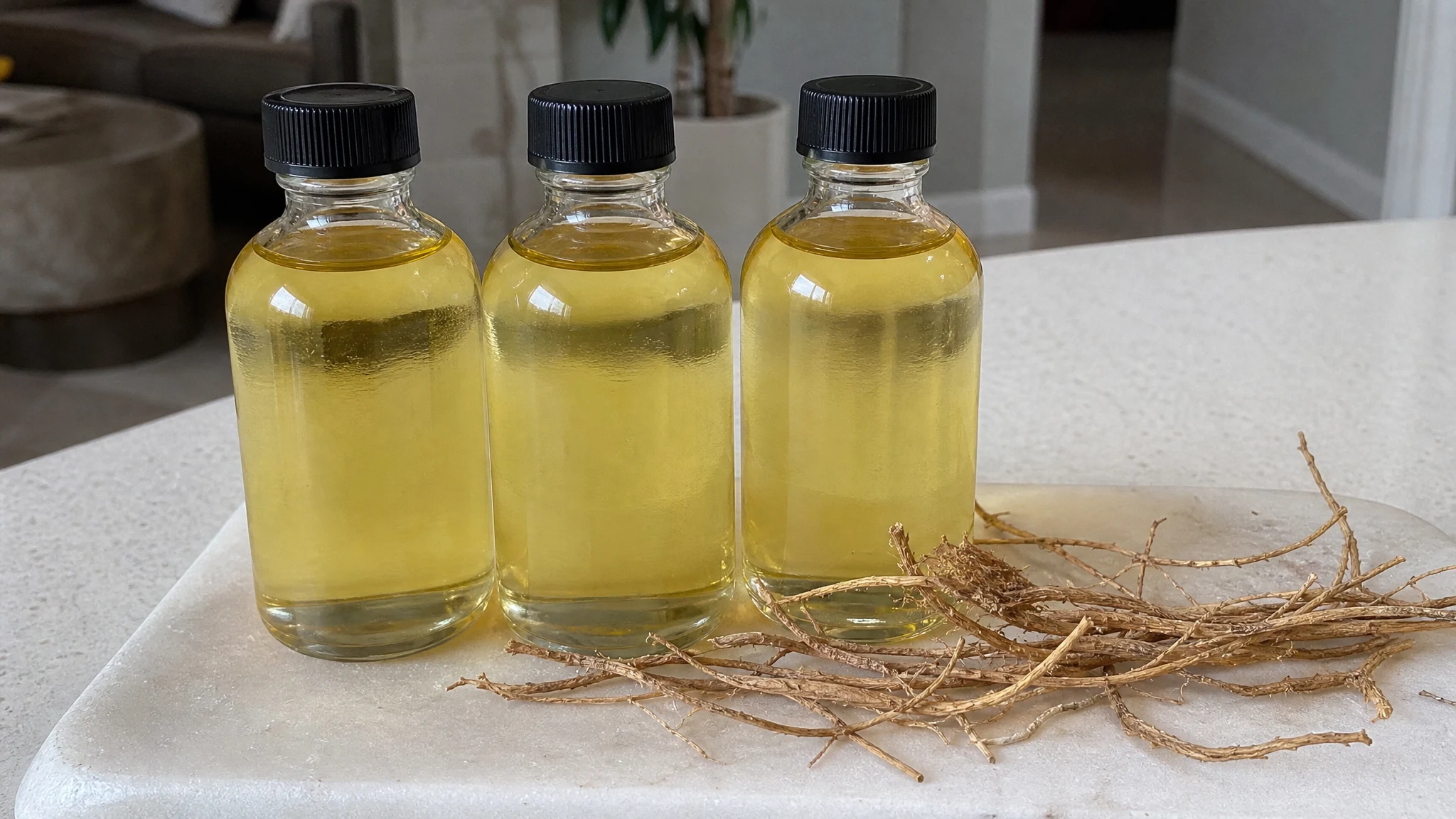
Open a bottle of vetiver and you will understand why perfumers call it a base note: the smell is deep, earthy and smoky-sweet, and it sticks around long after lighter oils have gone. That staying power is the whole story of how to use it at home. It rewards small amounts, patient use and a bit of planning.
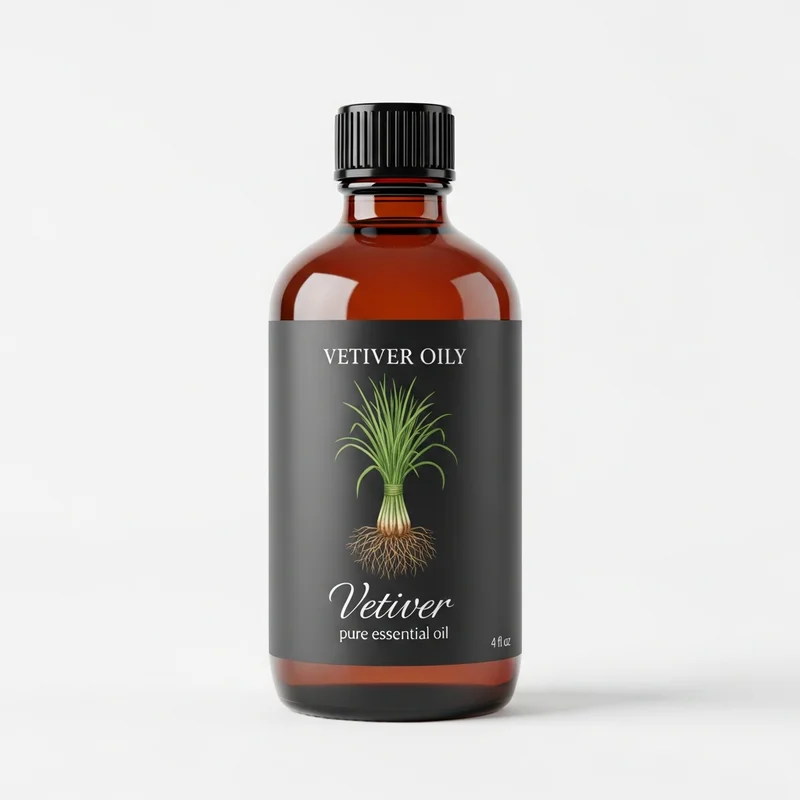
Vetiver Essential Oil
Our own Vetiver Essential Oil, in sizes from 0.5 oz to bulk.
From $20.99
Shop Now →Rather than hand you twenty variations on "put oil on a thing," we think vetiver really has three jobs around the house: scent in the air, scent on fabric and in closed spaces, and a small share of something diluted. Everything else is a variation on one of those.
A little goes a very long way
There is a chemical reason for that. Vetiver oil is a mixture of hundreds of molecules, and in 2021 a team of chemists identified the one they call its active smelling principle, a compound with an odor threshold of 29 picograms per liter of air (Ouyang J et al., The Smelling Principle of Vetiver Oil, Unveiled by Chemical Synthesis. Angew Chem Int Ed 2021). In plain English, your nose picks up an extraordinarily small amount. Reasoning from that, the usual mistake with vetiver is too much, not too little, so start low and judge the scent from the next room rather than with your nose over the bottle.
It is also thick and slow-pouring, so drops come out large and unevenly. We suggest counting slowly and starting with fewer than a recipe calls for.
Job one: scent in the air
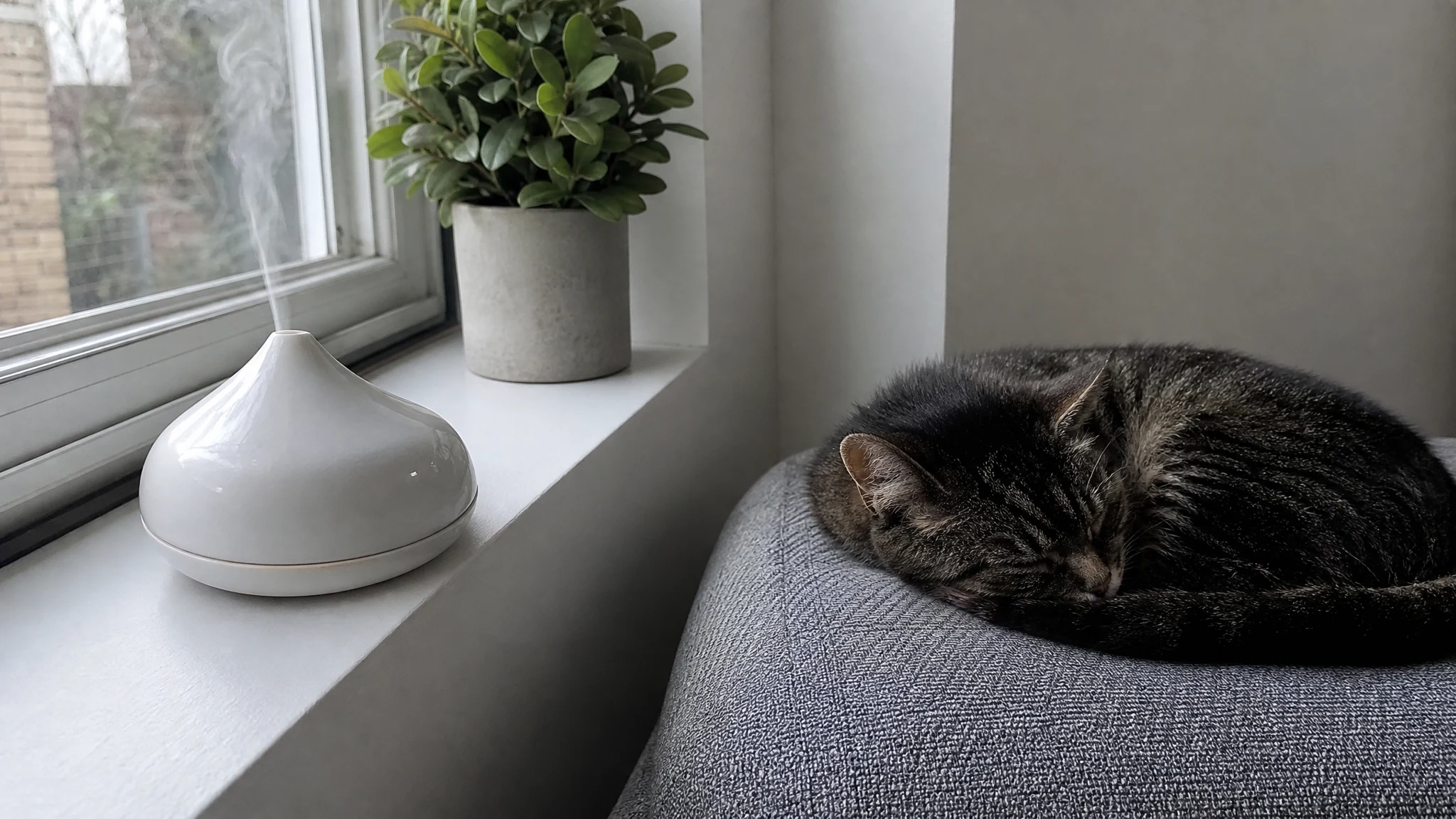
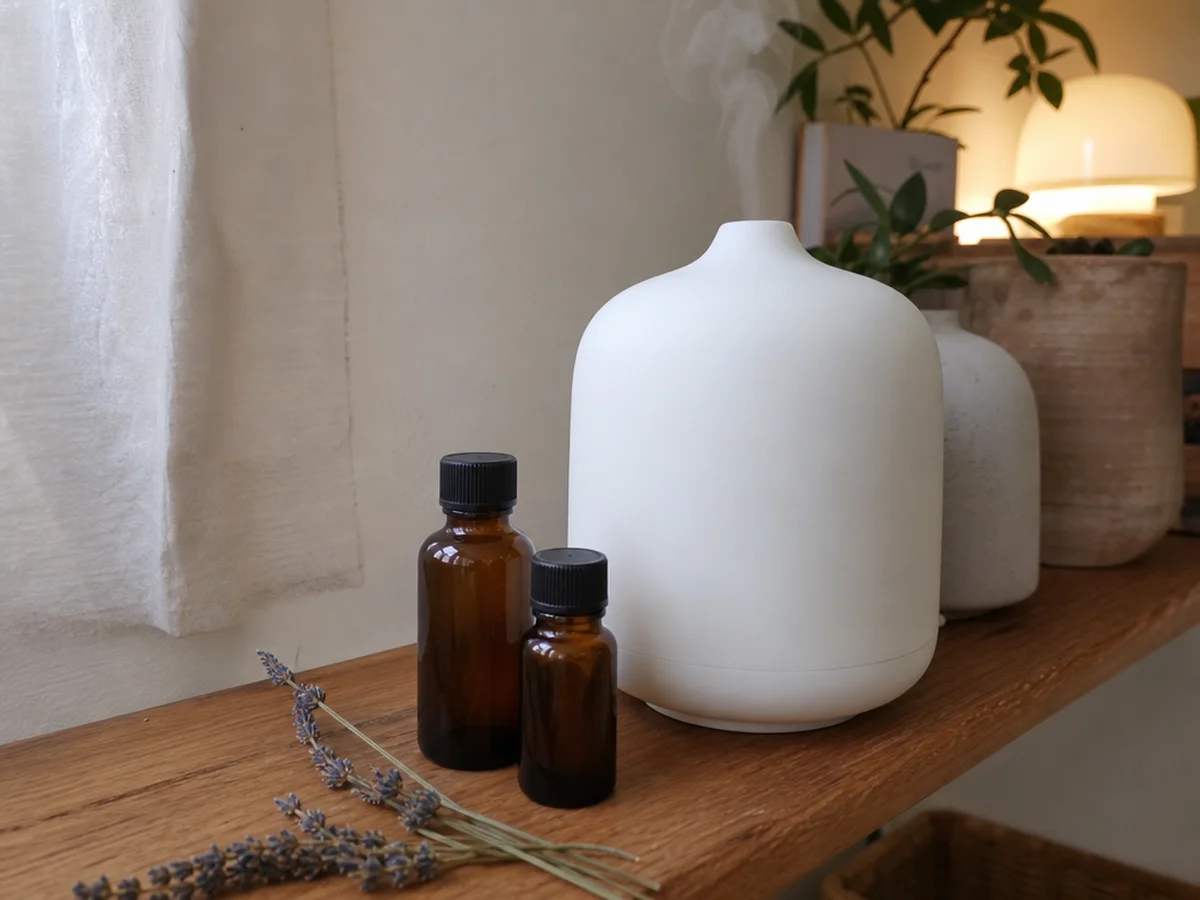
If you diffuse, treat it as a short session rather than an all-day fixture. Robert Tisserand's published guideline is 30 to 60 minutes on, then 30 to 60 minutes off, and he notes that very low levels, where the oil is barely noticeable, are fine for any length of time (Tisserand Institute, Safety guidelines for diffusing essential oils at home). Because vetiver clings to the inside of a diffuser, the practical details matter, and we cover them in our post on diffusing a thick oil.

Homes with birds are the exception. The ASPCA advises avoiding an essential oil diffuser if you have birds, and suggests that pets with a history of breathing problems may be best kept away from them too (ASPCA, Is the Latest Home Trend Harmful to Your Pets? What You Need to Know!). For a specific animal, a veterinarian is the right person to ask, and our pets post lays out what the sources say.
Job two: fabric and closed spaces
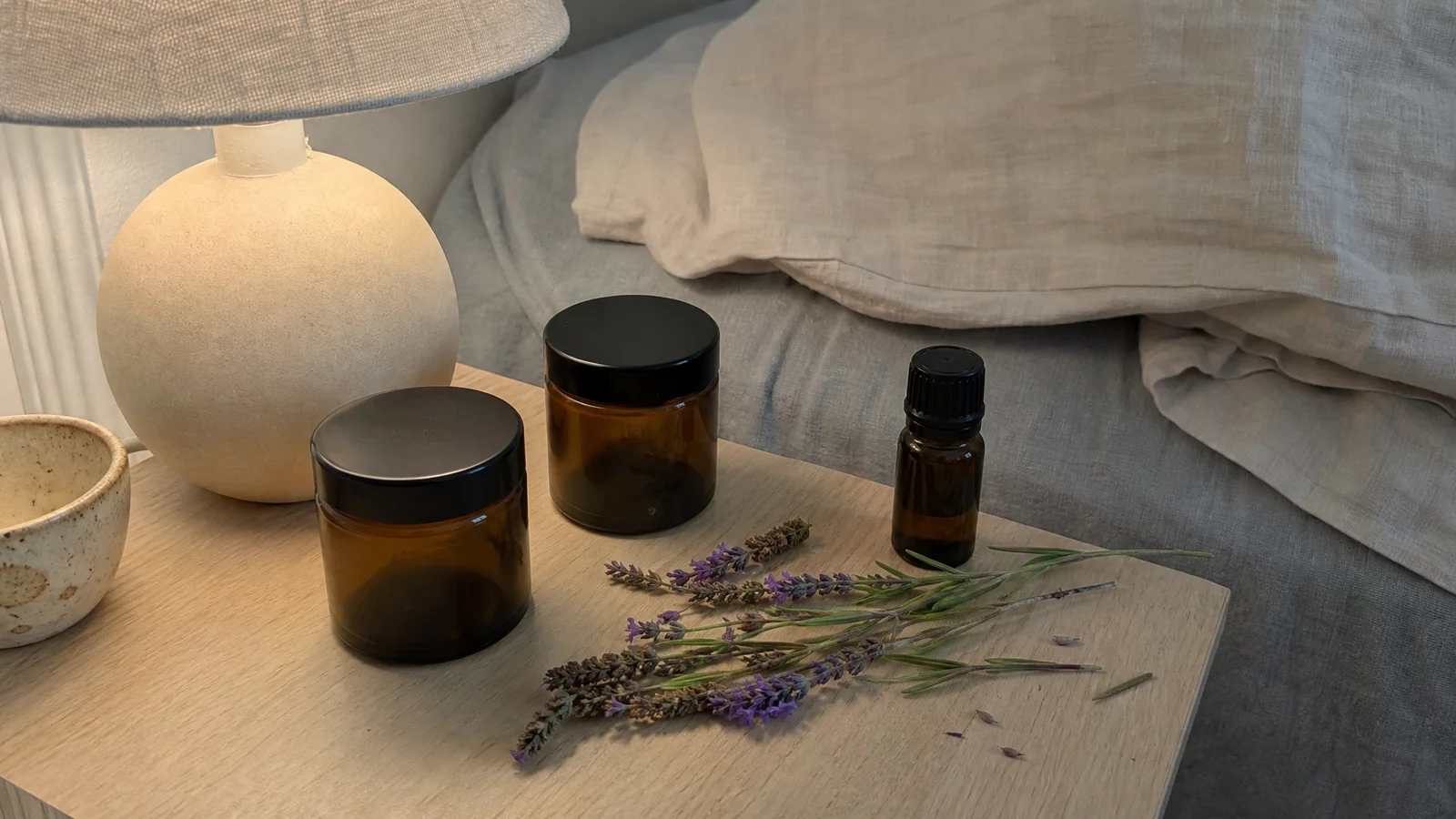
This is the simplest use, because it needs no equipment at all. Put two or three drops on a cotton ball or a scrap of unbleached cotton and tuck it in a small cloth bag or tin in a drawer, closet or suitcase, so the oil stays off your clothes. Our oil is a deep amber to brown, so an undiluted drop can mark pale cloth; that is why we keep it on a scrap rather than on the garment itself. Because vetiver is so slow to fade, a scrap stays fragrant for a long time. That is our reasoning from the oil's character rather than a measured result.
For linens, a spray spreads the scent more evenly, but water and oil do not mix without help, so it takes a proper formula. Our linen spray post goes through it.
Job three: a small share of something diluted
Vetiver is lovely in soap, candles, massage oil and solid perfume, but anything touching skin needs dilution first. Our dilution guidance is 0.5% to 2% in a carrier oil, with a patch test before you use it widely. For comparison, Tisserand's general ranges run from 0.2% to 1% for sensitive or impaired skin, 0.5% to 1.2% for facial products and deodorants, 1% to 3% for body oils and lotions, and 2% to 4% for bath products (Tisserand Institute, Dilution for essential oils). Those are guidelines for essential oils as a group, not vetiver-specific findings, and where the two sets differ we would start at the lower number.
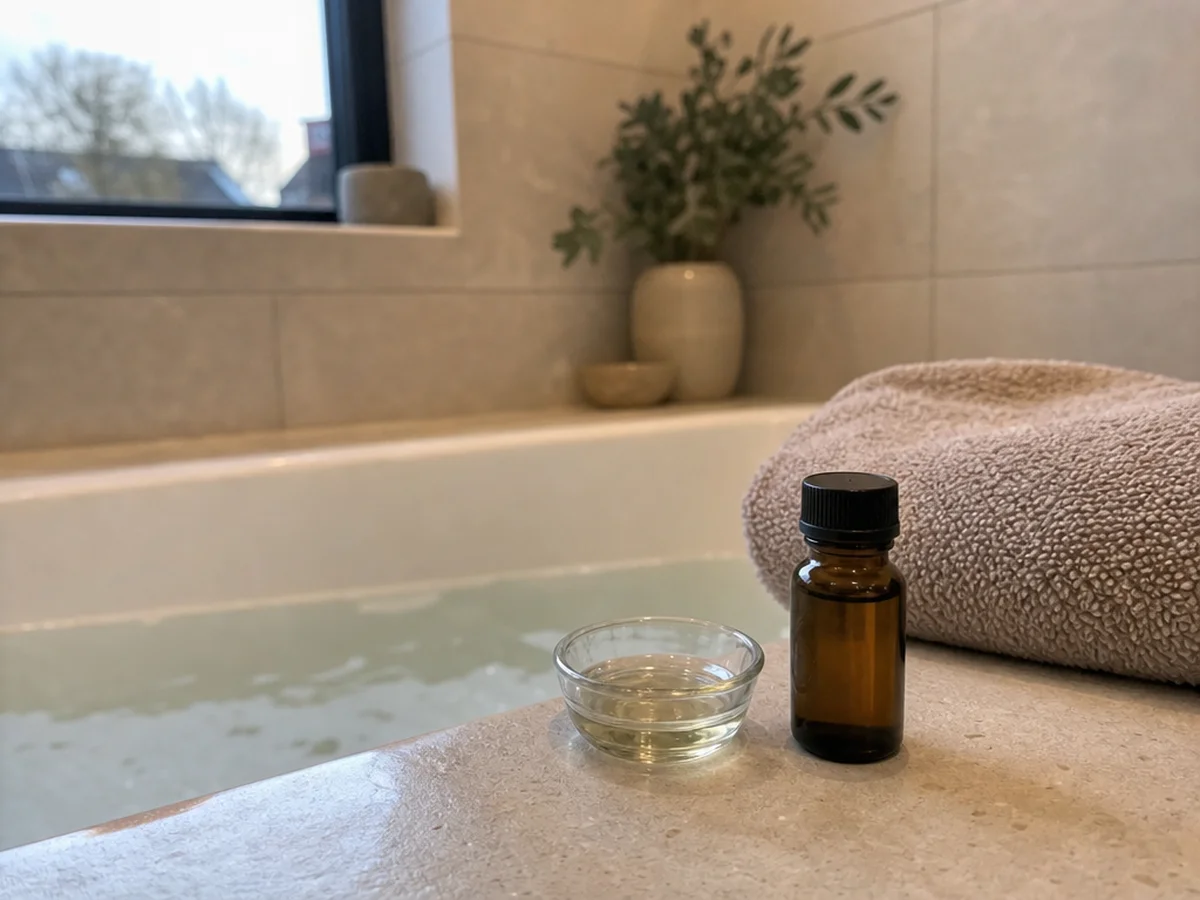
Oil does not dissolve in water, so pouring it neat into a bath leaves it floating on top and touching your skin undiluted. Mix it into a carrier first. We do not recommend taking vetiver internally, and we do not cook with it.
If you are curious where to take each idea next, we have a soap-making post, a candle-making post and a carrier oil guide. We sell the vetiver oil only, so carriers, wax, wicks and soap base come from a craft supply shop.
Start with one small experiment
If you are new to the oil, pick one corner of the house and one scent job, and give it a week. A scrap in the coat closet is a good first choice because the space is small and the cloth does the slow work for you. Open the door now and then and notice how the smell has changed: often the first impression is earthy and the sweetness comes later. When you know that character, bigger plans are easier to judge.
Keep it well
Heat, light and air are what age an essential oil, so a cool, dark cupboard away from the radiator is the right home for the bottle. We describe vetiver as typically keeping its character for 6 to 8 years stored that way, and our storage post has the details.
If you only do one thing from this list, make the cloth scrap. It uses the least oil and the least fuss, and it shows you in a day or two exactly how far a few drops of vetiver will travel.
Vetiver Essential Oil
Vetiver Essential Oil from our own shop, in sizes from 0.5 oz to bulk.
From $20.99
Shop Now →Sources & Further Reading
- Ouyang J et al., The Smelling Principle of Vetiver Oil, Unveiled by Chemical Synthesis. Angew Chem Int Ed 2021
- Tisserand Institute, Safety guidelines for diffusing essential oils at home
- ASPCA, Is the Latest Home Trend Harmful to Your Pets? What You Need to Know!
- Tisserand Institute, Dilution for essential oils