Vetiver in a Diffuser: Tips for a Thick Oil
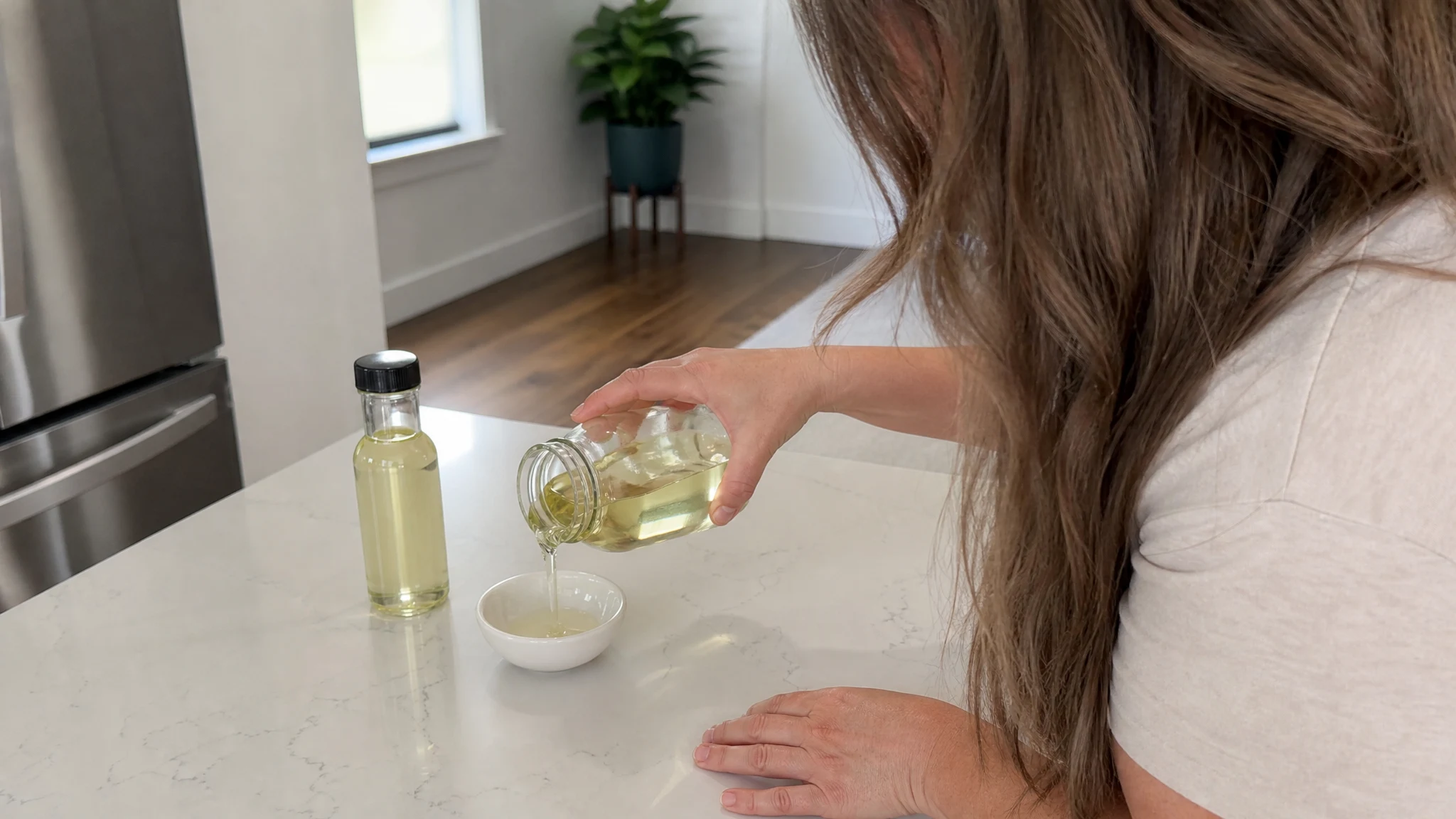
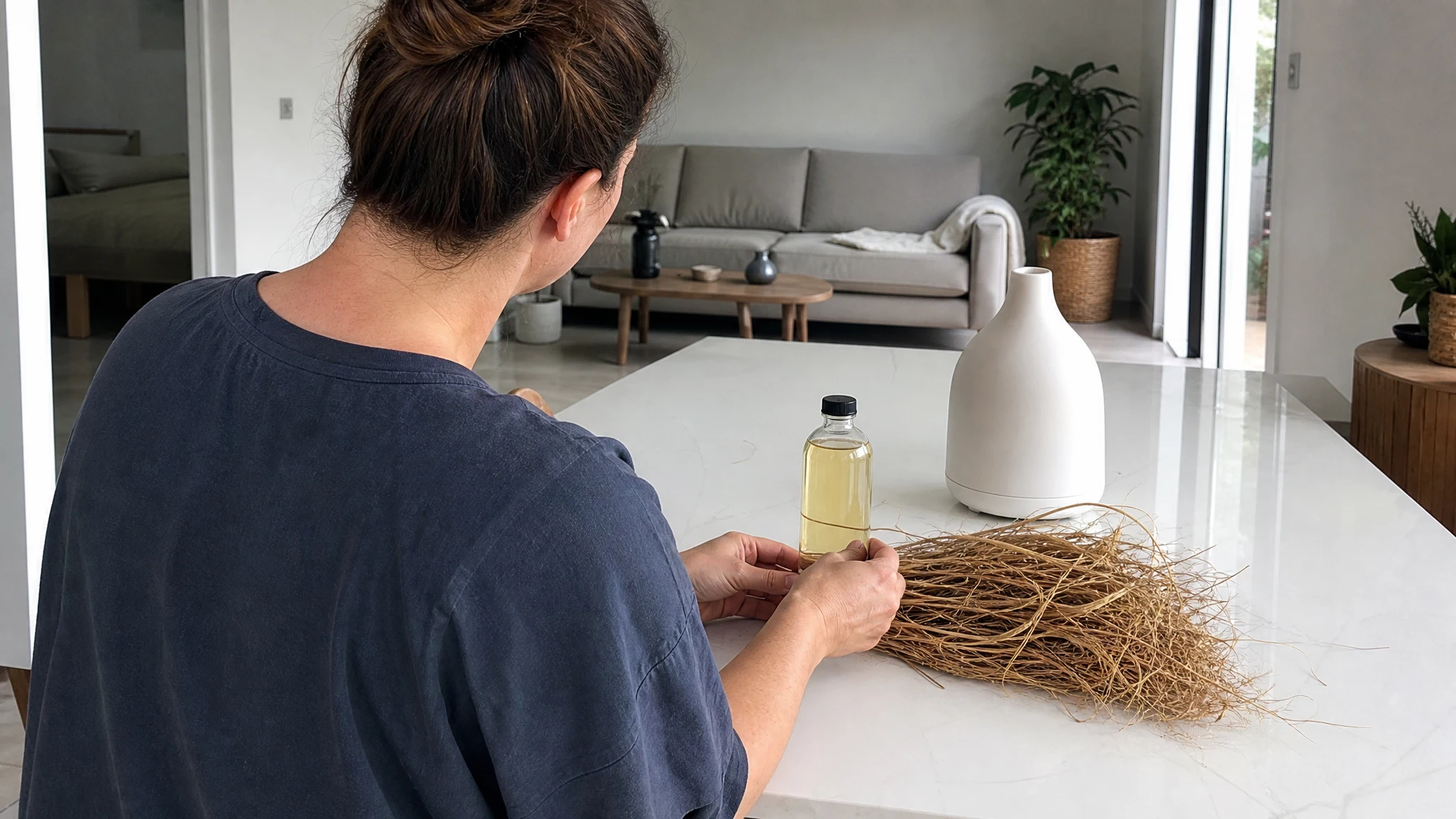
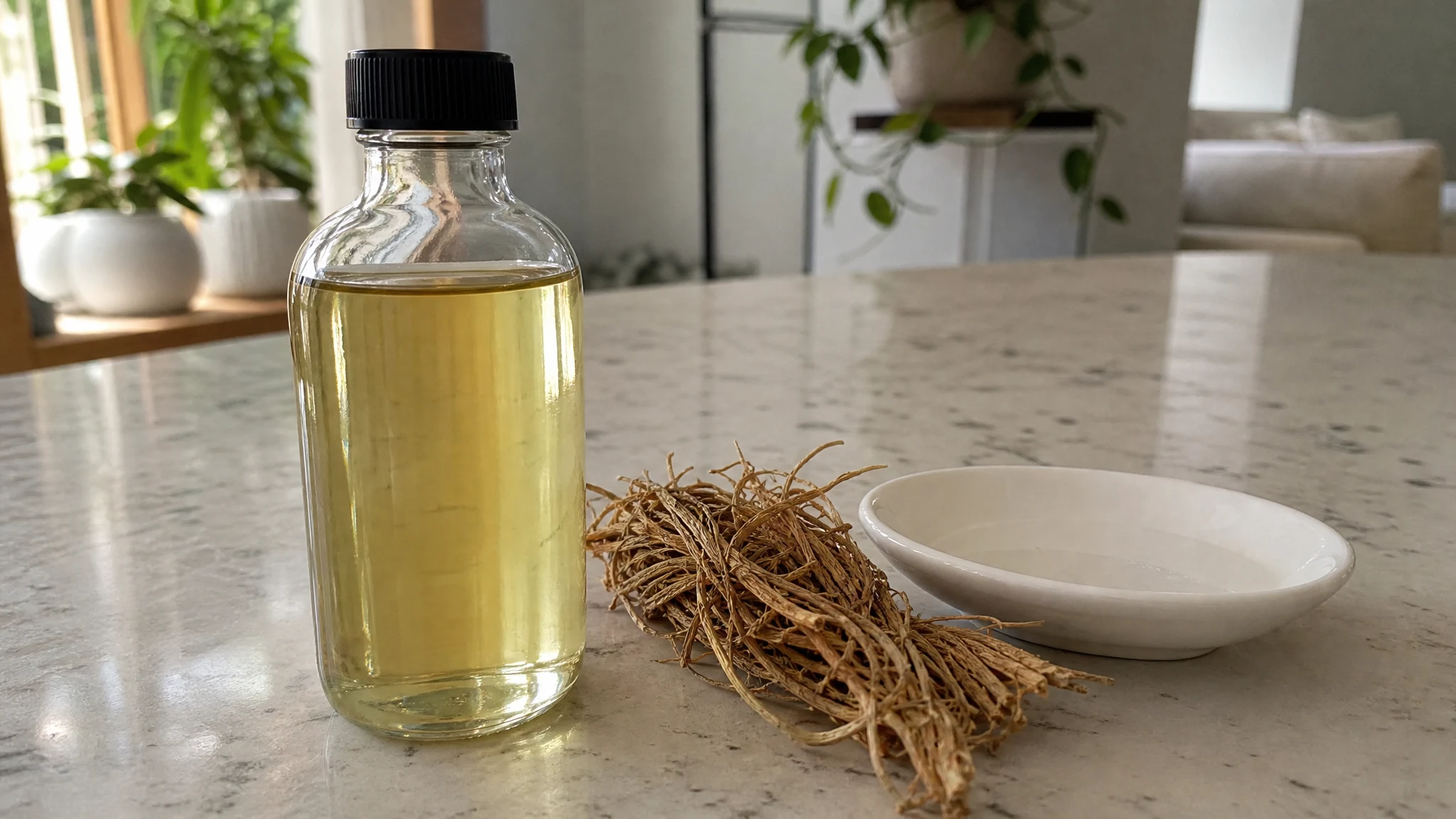
Anyone who has poured vetiver knows it does not hurry. It comes out in slow, heavy drops the color of strong tea, and it leaves a film on whatever it touches. That is exactly what makes it interesting in a diffuser, and exactly why it can be fussy there. The good news is that how you run the device matters more than which model you buy.
Vetiver Essential Oil
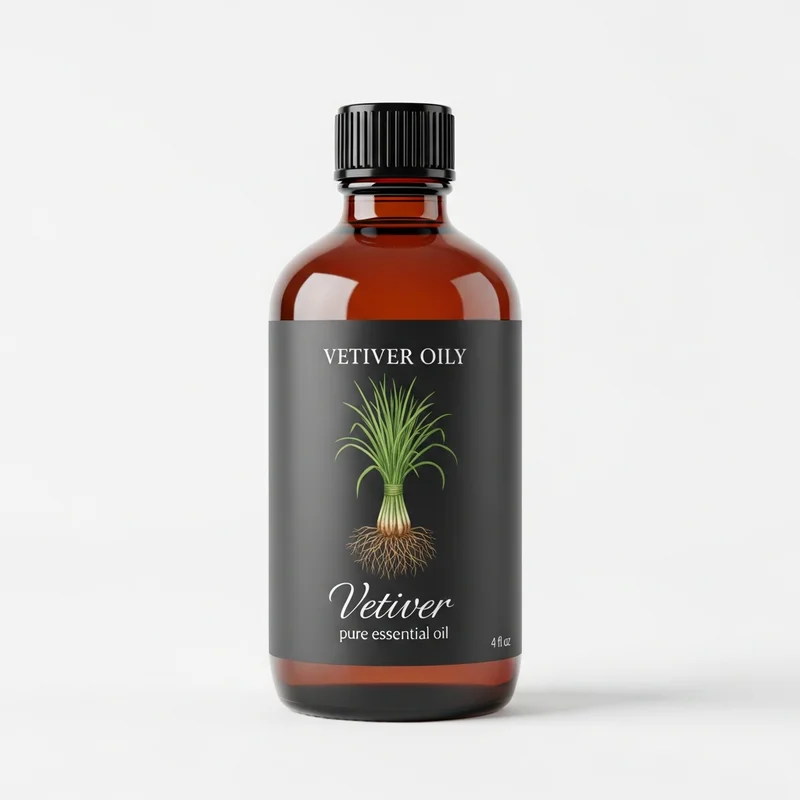
Our own Vetiver Essential Oil, in sizes from 0.5 oz to bulk.
From $20.99
Shop Now →What "thick" changes
We describe our vetiver as thick and slow-pouring, and the batch on our Certificate of Analysis has a relative density of 0.993 at 20 C, close to water. Density and thickness are different things, so the following is our reasoning from how the oil pours, not a viscosity measurement.
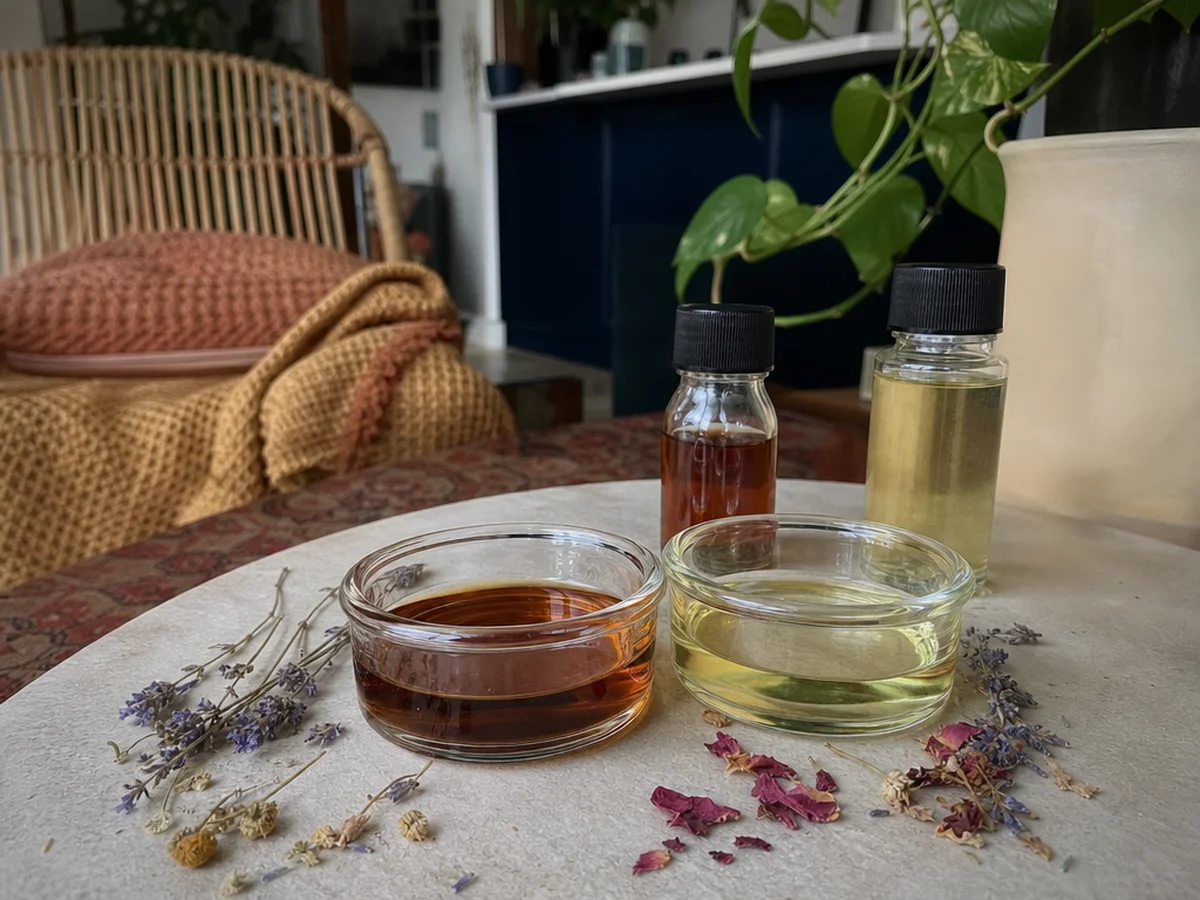
- Drops run large. A recipe that says "six drops" can deliver more oil than its author imagined. Tisserand notes that drop conversions are always approximate because no two drops are the same (Tisserand Institute, Dilution for essential oils). Count slowly and begin with one or two.
- It clings. A thick oil can leave a residue on the tank wall or a pad, and a film left to dry is harder to clear than a fresh one. Rinse the same day.
- It carries a long way. Chemists studying a Haitian vetiver oil found its main smelling compound has an odor threshold of 29 picograms per liter of air (Ouyang J et al., The Smelling Principle of Vetiver Oil, Unveiled by Chemical Synthesis. Angew Chem Int Ed 2021). A room does not need much.
Which type of diffuser?
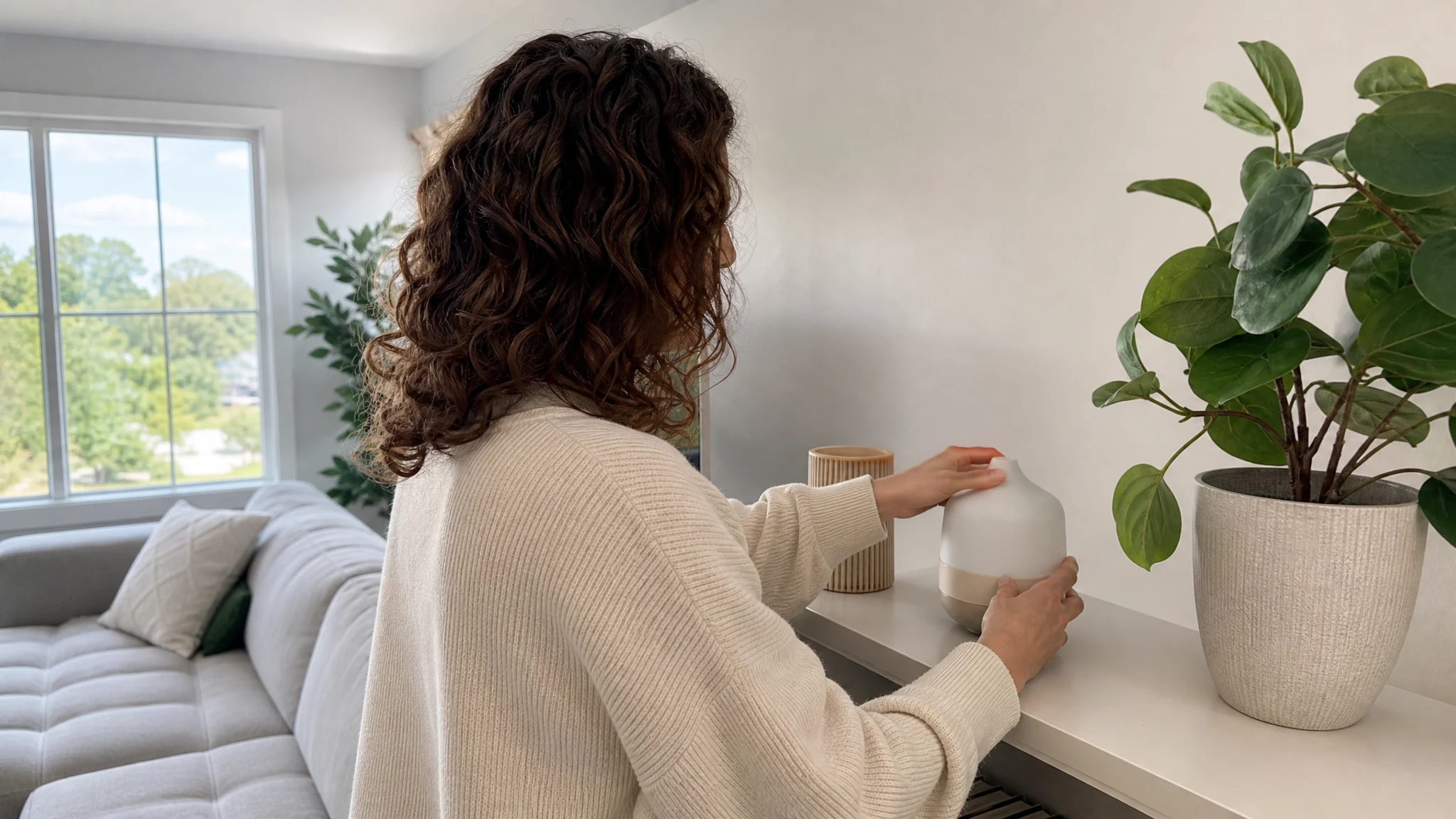
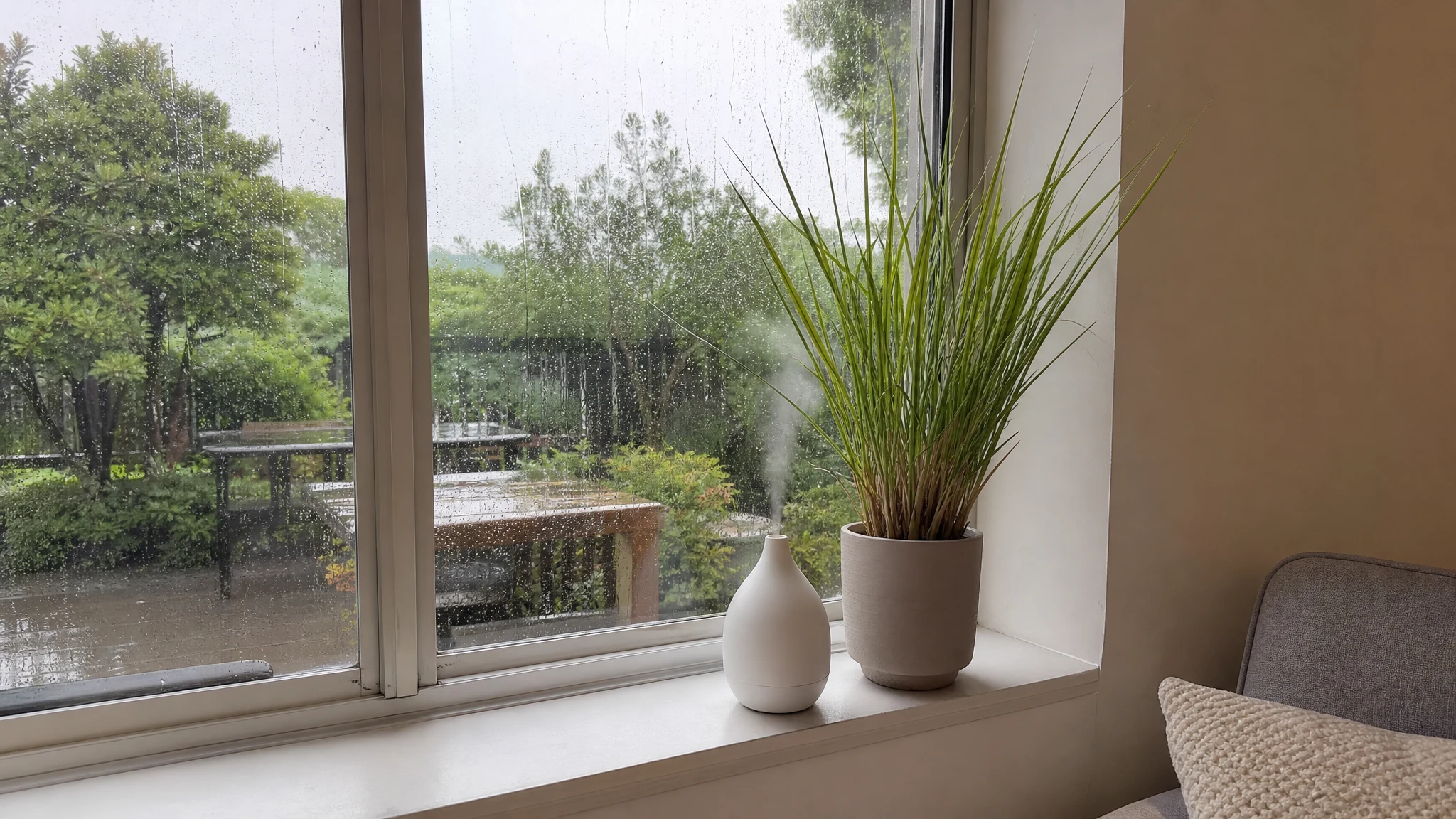
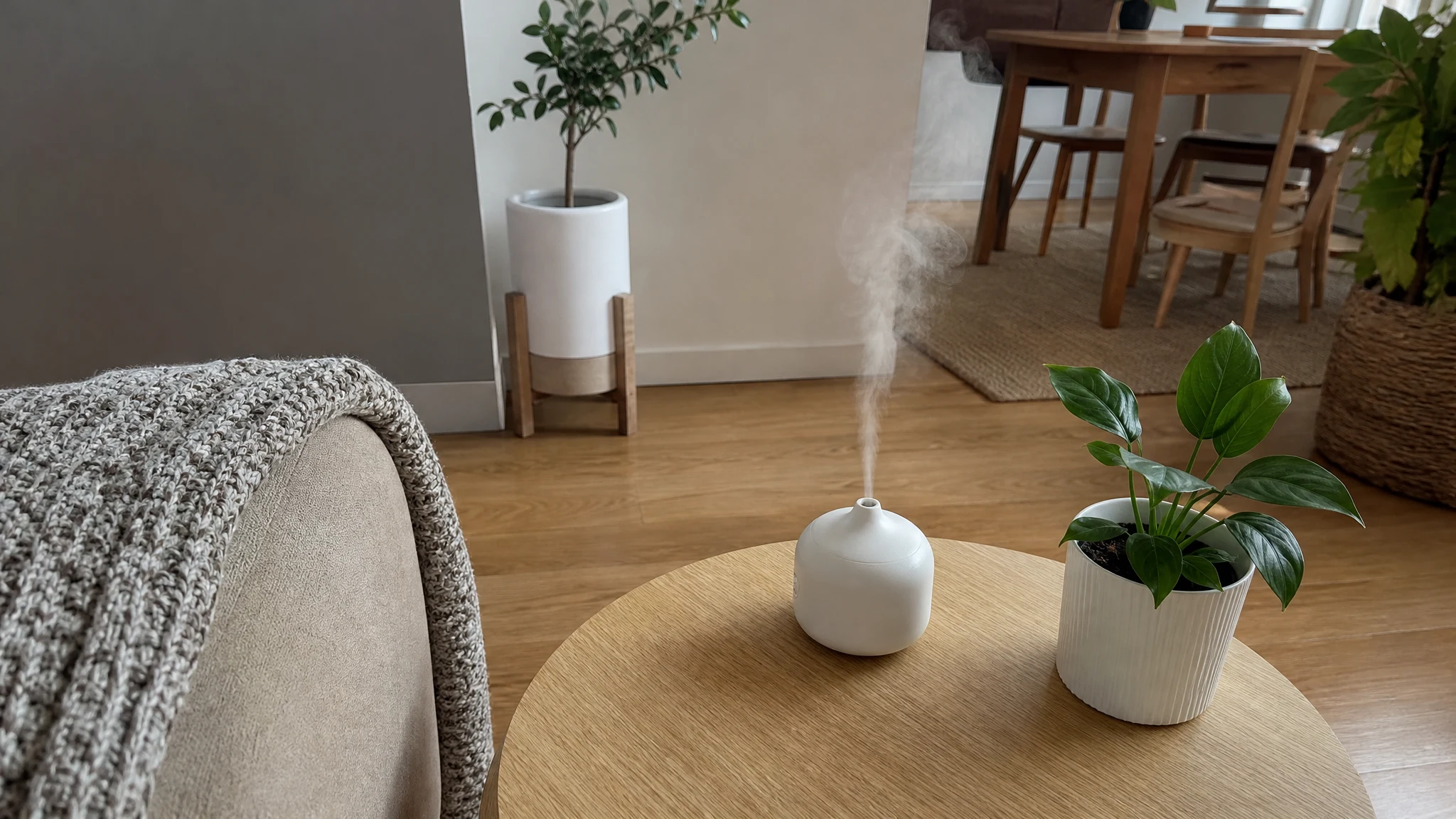
Ultrasonic diffusers vibrate oil floating on water into a mist, nebulizers blow air across the oil, and heat or candle diffusers warm it. We do not sell diffusers, so we will not rank models. What we can say is that a thick oil gives every type its own small chore. An ultrasonic tank wants rinsing, a nebulizer's narrow glass path can clog with a heavy oil, and gentle heat thins an oil but speeds up its aging. Those are reasonable expectations, not test results.
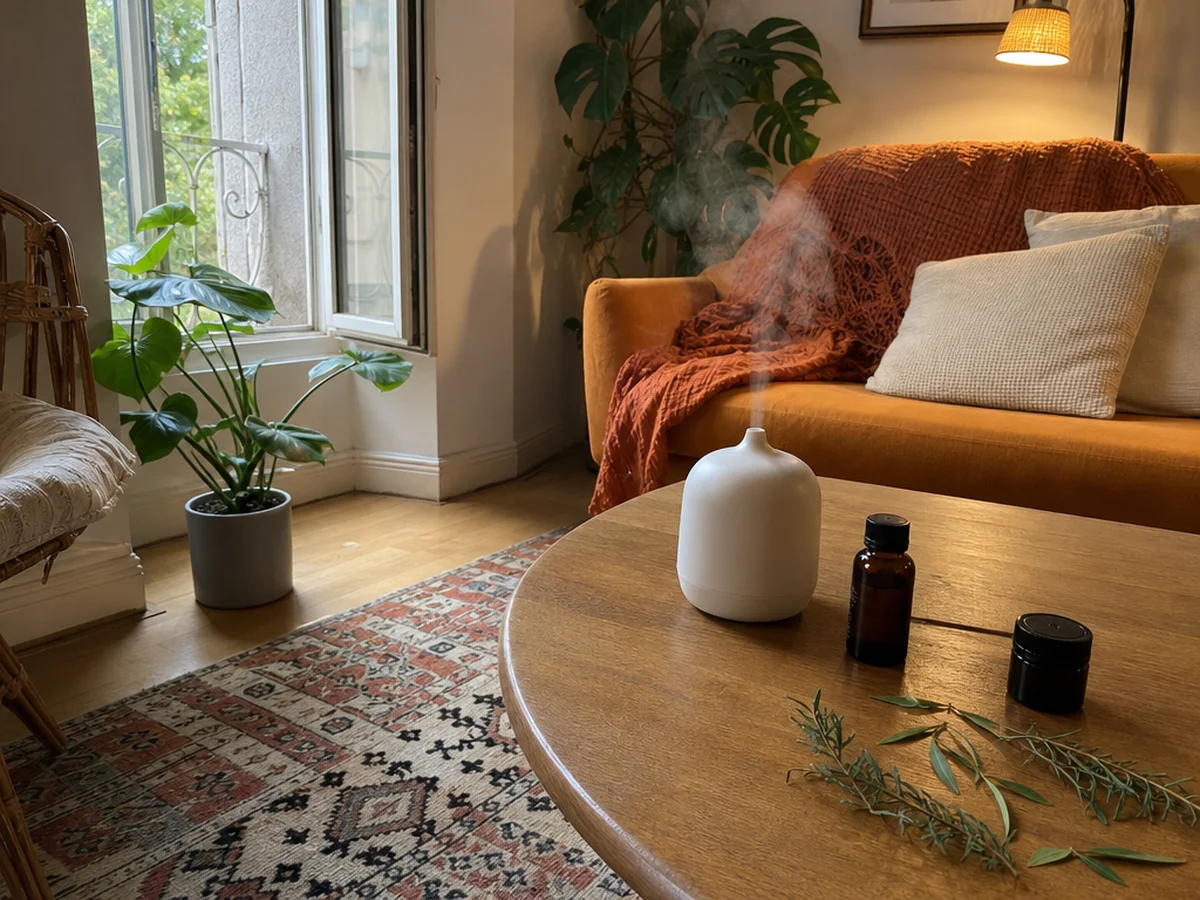
One peer-reviewed chamber study looked at an ultrasonic diffuser running lemon, lavender, eucalyptus and grapeseed oils. It found each oil produced its own particle profile and that tap water gave off noticeably more fine particles than deionized water (Schwartz-Narbonne H et al., Volatile organic compound and particulate matter emissions from an ultrasonic essential oil diffuser. Indoor Air 2021). Vetiver was not in that study, so applying it is an inference, but it is a cheap one to act on: use distilled water in an ultrasonic unit.
If an advertisement says a particular diffuser is "designed for thick oils," it is fair to ask what was measured.
Running it well
- Use a timer. Tisserand's guideline is 30 to 60 minutes on and 30 to 60 minutes off, with very low levels fine for any length of time (Tisserand Institute, Safety guidelines for diffusing essential oils at home). Vetiver is the kind of scent your nose stops noticing, so go by the clock, not by smell.
- Go light. One or two drops in a small unit is a sensible first trial. Follow your manual for water volume.
- Clean it right away. Empty and rinse after each session as the manual directs. This step matters more with a thick oil than any other.
Some people add a thinner oil to a blend to help a thick one flow. That is a perfumer's habit, and the pairings are covered in our blending post. You can also skip the machine entirely with a cotton pad or an unglazed clay scent stone, which sidesteps the cleaning question.
A ten-minute test run
The first time you use vetiver in a diffuser, treat it as a rehearsal. Add one drop, run the machine for a short session, then walk out of the room and back in. That re-entry sniff tells you more than sitting beside the machine, because your nose adapts quickly to a persistent smell. If you can only just catch it, you have the amount about right.
Looking after the bottle
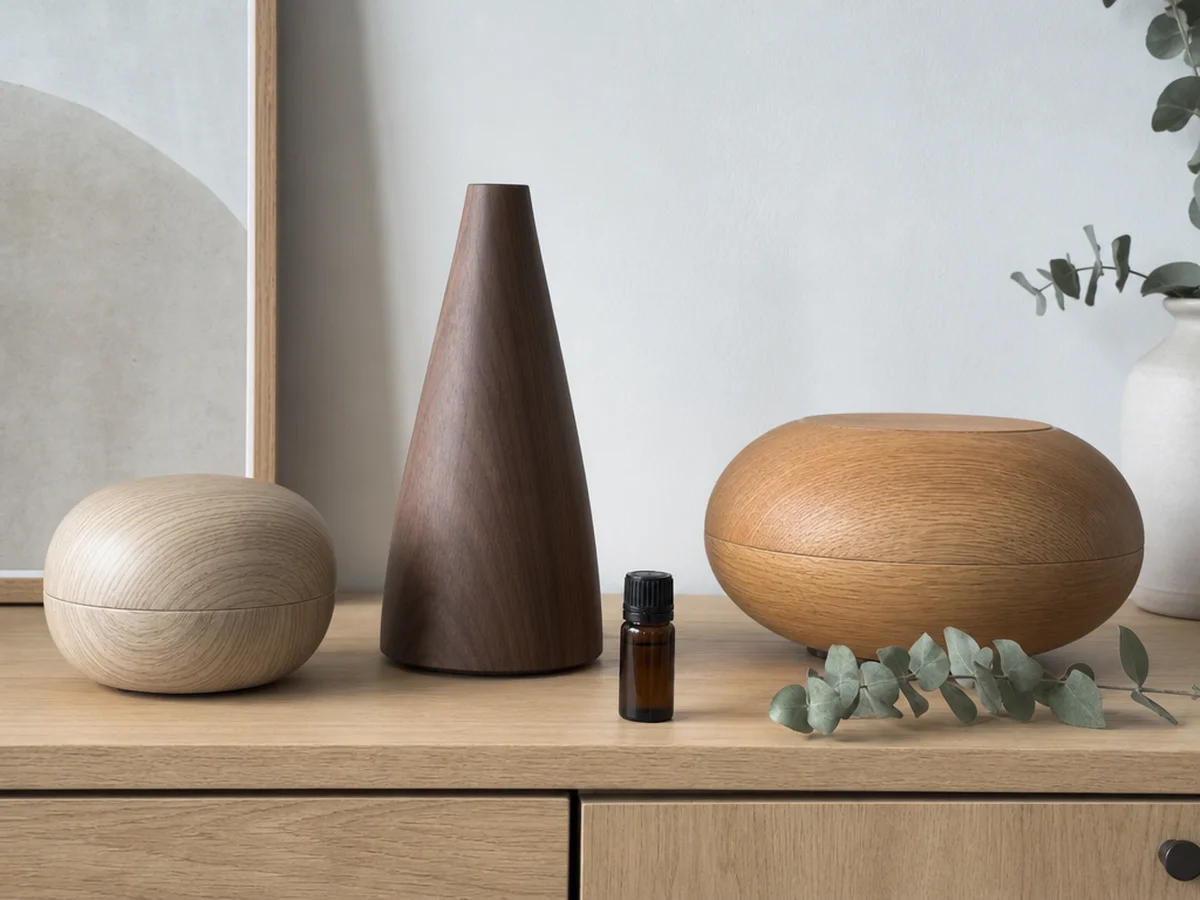
Because the oil is thick, wipe the neck of the bottle after every use and put the cap on straight away. Warming the closed bottle in your hand before pouring helps the oil move, and a pipette gives more control than tipping the bottle over the reservoir.
Who should skip the diffuser
Households with birds are the clearest case: the ASPCA recommends avoiding an essential oil diffuser if you have birds, and says that if a pet has a history of breathing problems it may be best to avoid one altogether (ASPCA, Is the Latest Home Trend Harmful to Your Pets? What You Need to Know!). Our guidance is also to keep the oil away from children and pets. A veterinarian can advise on a specific animal, and our pets post gathers what the sources say. Running it all night in a small room is the opposite of the intermittent guideline, so we would not.
Diffusing vetiver is a fragrance choice, a deep, woody backdrop for a quiet evening. We sell an external, cosmetic-use oil, and questions about sleep or stress belong with a physician. Our step-by-step diffuser post covers the routine from the beginning.
Start small, keep the sessions short, rinse the tank, and a thick oil turns out to be a perfectly good diffuser guest.
Vetiver Essential Oil
Vetiver Essential Oil from our own shop, in sizes from 0.5 oz to bulk.
From $20.99
Shop Now →Sources & Further Reading
- Tisserand Institute, Dilution for essential oils
- Ouyang J et al., The Smelling Principle of Vetiver Oil, Unveiled by Chemical Synthesis. Angew Chem Int Ed 2021
- Schwartz-Narbonne H et al., Volatile organic compound and particulate matter emissions from an ultrasonic essential oil diffuser. Indoor Air 2021
- Tisserand Institute, Safety guidelines for diffusing essential oils at home
- ASPCA, Is the Latest Home Trend Harmful to Your Pets? What You Need to Know!