What Makes Vetiver Smell Like Vetiver? A Trace Molecule
Ask a chemist to name the big molecules in vetiver oil and you will hear two words: vetivone and khusimol. Ask a perfumer what makes vetiver smell like vetiver and the honest answer is more surprising. The molecule that carries the famous aura is a trace compound that your nose can detect at almost unimaginably small amounts.
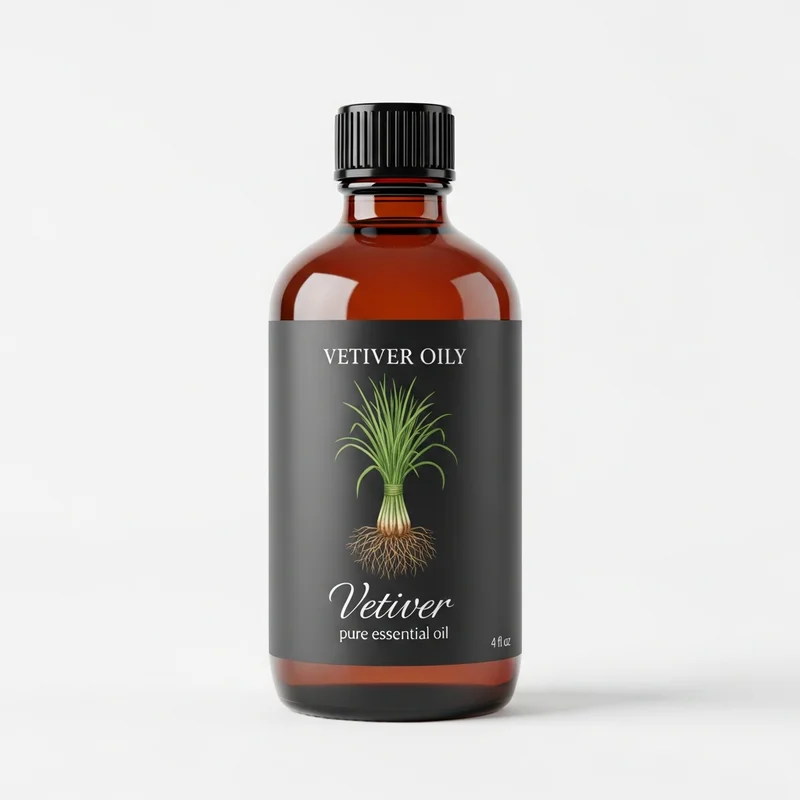
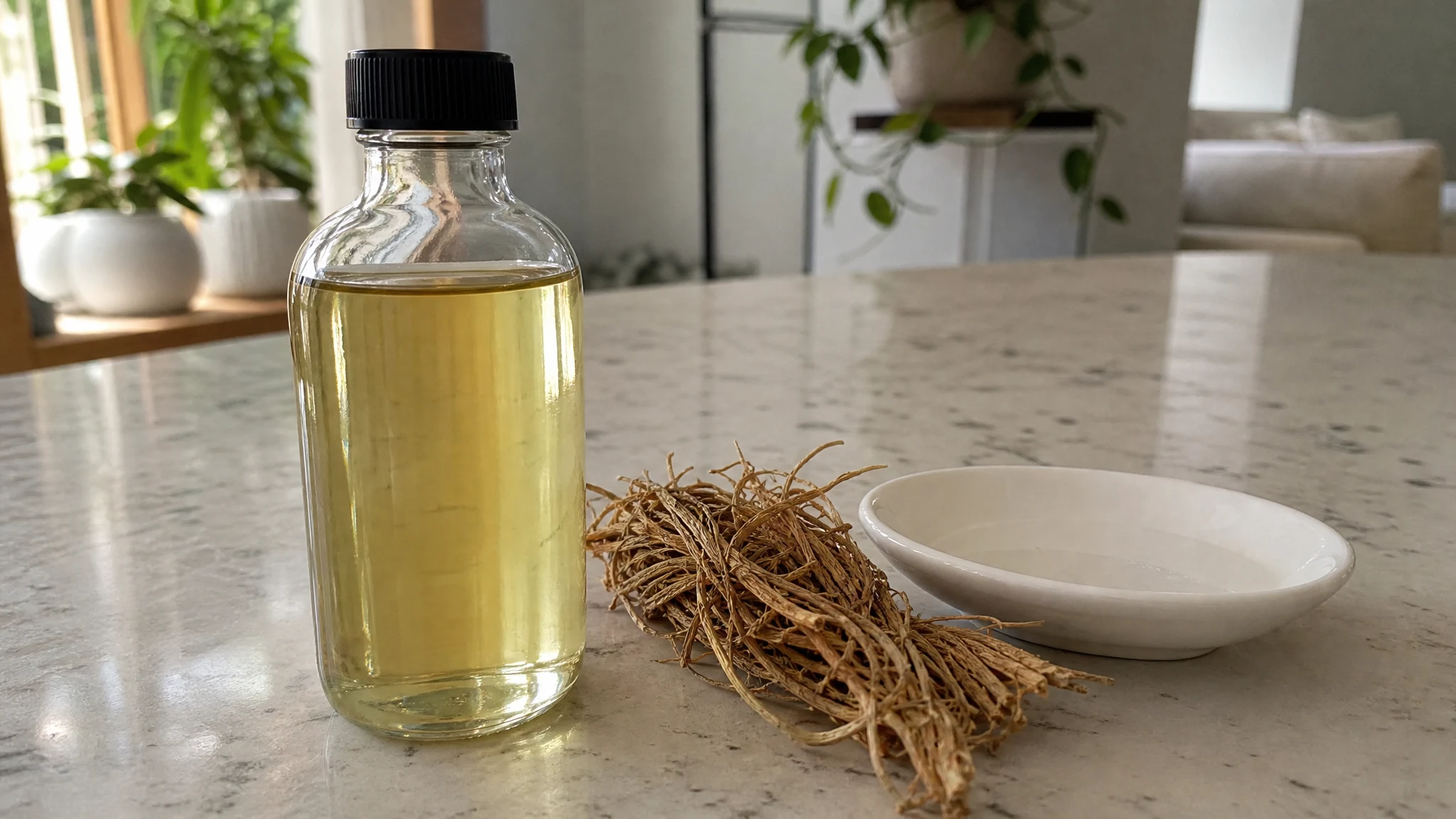
Vetiver Essential Oil
Our own Vetiver Essential Oil, in sizes from 0.5 oz to bulk.
From $20.99
Shop Now →The two names everyone learns first
Alpha-vetivone, beta-vetivone and khusimol are the main constituents of the oil, and they are treated as its chemical fingerprints. If you want to know whether an oil is vetiver at all, these are the compounds a laboratory looks for. But the plant reference we rely on adds a useful twist: these fingerprints do not carry the typical vetiver odour themselves. They are how you identify the oil, not necessarily what you smell first.
That fits a larger truth about this oil. It is among the most complex natural materials in perfumery, a mixture of hundreds of sesquiterpene compounds, and only around 155 of them had been identified when a Max Planck Institute and Givaudan team set out to find its smelling principle.
A pinch that outweighs a pour
That team distilled, fractionated and sniffed a Haitian vetiver oil, then built the suspected culprit in the lab to prove it. Their answer was a ketone called 2-epi-ziza-6(13)en-3-one, and its odour threshold is 29 picograms per litre of air. The compound long assumed to be the star, khusimone, has a threshold of 4.7 nanograms per litre. By our arithmetic, that makes the new molecule roughly 160 times easier to smell, and it is the reason a trace of it can set the whole character of a bottle.
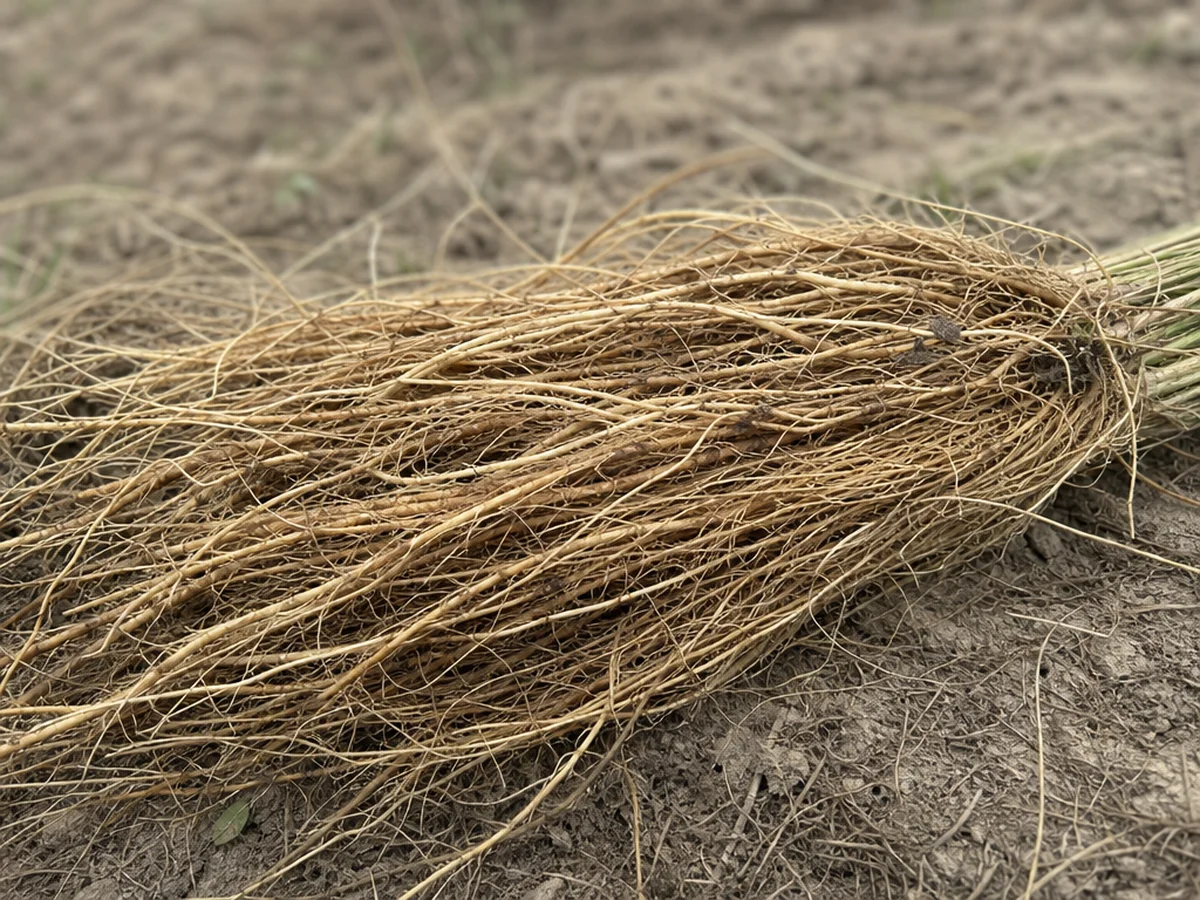
The same paper gives the other compounds their roles, and this is where it gets fun. Alpha- and beta-vetivone, together with nootkatone, supply a fresh, grapefruit-like top. Geosmin, the molecule behind the smell of turned soil, adds earth. A compound called isovalencenol brings a creamy, sandalwood-like softness. So the first sniff is brighter than people expect, the middle is damp earth, and the long, smooth base underneath is the part perfumers prize.
How to smell it for yourself
You do not need a laboratory to appreciate any of this. Dip a paper strip into the oil, wave it, and smell it at three moments: straight away, after a few minutes and after an hour. Reasoning from the paper's description, you might notice the brighter, grapefruit-like lift first, the damp earth in the middle and the soft, creamy base hanging on longest. Write down a word or two each time. Even if your words are "wet soil" and "campfire", you will have a better feel for the oil than any percentage can give you.
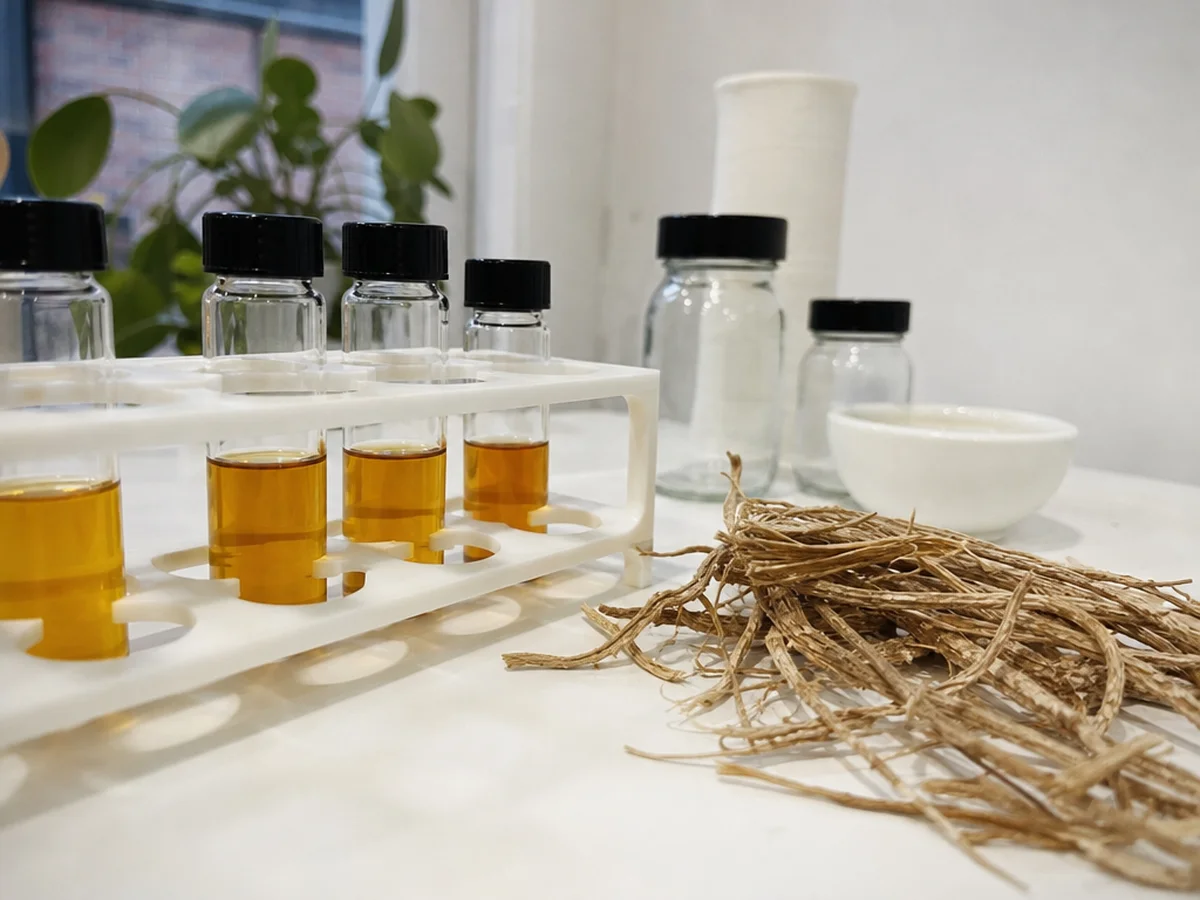
Vetiver is thick and slow to pour, and a little goes a very long way, so a single drop on the strip is enough. Warming the bottle in your hands first makes that drop easier to control.
Why no two vetivers read the same
You will often see a page claiming that good vetiver contains a set percentage of vetivone or khusimol. The measurements say otherwise. One study analysed three commercial vetiver oils from Reunion Island and found alpha-vetivone between 8.4 and 13.3 percent, beta-vetivone between 2.2 and 3.7 percent, and khusimol anywhere from 0.6 to 8.9 percent. All three were sold as vetiver oil, from one island, and still the spread was wide.
The perfumer who evaluated them noticed. The oil with the least khusimol, 0.6 percent, lost some of its typical vetiver character, with weak woody notes and a plastic edge. The best balanced of the three, with moderately smoky notes, read as the most characteristic. That is three oils and one evaluator, so it is a hint and not a rule, but it shows why a single percentage never tells the whole story. Researchers also note that vetiver oils vary strongly by geographic origin, so the spread you see here is not unusual.
It also explains why two vetiver bottles that sit side by side on a table can smell like cousins and not twins. That is not a flaw to hunt for. It is the nature of a material built from hundreds of molecules, and many perfumers who love it would not want it any other way.
What to do with all this
It helps to remember that a number on a page describes one sample, not the whole category. A thoughtful buyer uses chemistry to understand why vetiver is so layered, then trusts their nose for the rest.
Treat vetiver chemistry as a way to appreciate the oil, not a scorecard. The smell is the sum of many parts, some at several percent and some at trace levels that matter far more than their size suggests. That is also why we do not quote a vetivone or khusimol figure for our oil: our Certificate of Analysis covers density and refractive index for one batch, not a constituent breakdown. If you need a GC-MS report for your own formulation work, ask us in writing through the contact page before you order.
If you would like to see how these facets behave in a finished scent, our perfumery guide and our post on vetiver and patchouli are good next stops. The grapefruit flash, the wet earth and the creamy base are all there to be noticed once you know to look for them.
Vetiver Essential Oil
Vetiver Essential Oil from our own shop, in sizes from 0.5 oz to bulk.
From $20.99
Shop Now →