Can You Swallow Vetiver Oil? Why We Say No
Two arguments for swallowing essential oils turn up again and again online: "it is on an FDA food list" and "a drop or two is fine." Both contain a grain of truth, which is why they are persuasive. Our answer is short, and we would rather explain it than just state it: we do not recommend swallowing vetiver oil, ours or anyone's. The oil we sell is neat and undiluted, meant for aroma and cosmetic use only.
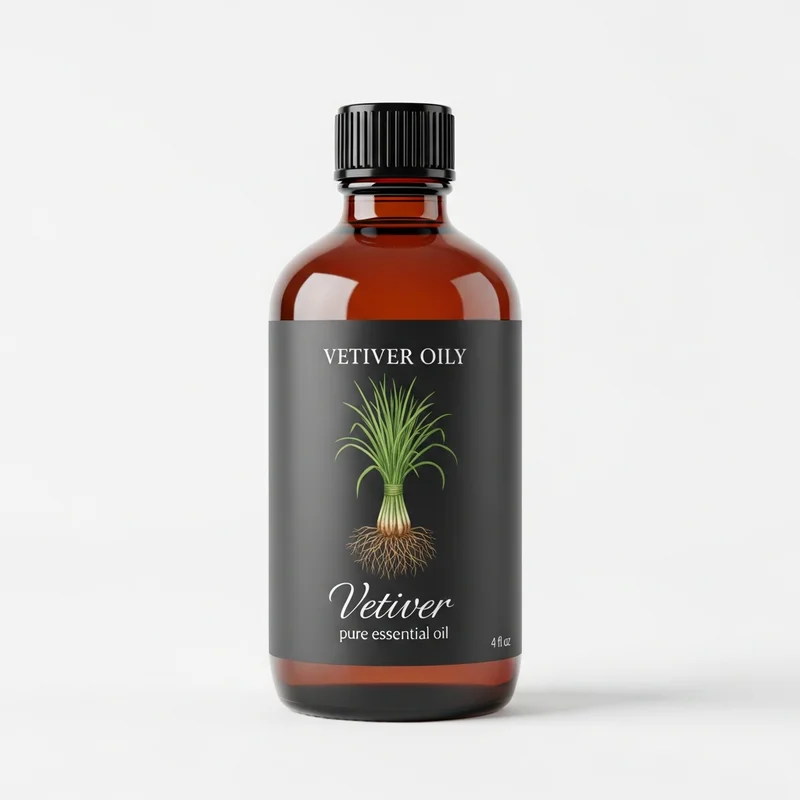
Vetiver Essential Oil
Our own Vetiver Essential Oil, in sizes from 0.5 oz to bulk.
From $20.99
Shop Now →The food list is real, and narrow
Vetiver does appear in the US Code of Federal Regulations. In 21 CFR 172.510, among natural flavoring substances, you will find "Vetiver" with the botanical name Vetiveria zizanioides Stapf (eCFR, 21 CFR 172.510, Natural flavoring substances and natural substances used in conjunction with flavors). It carries the same limitation as the entry above it, which traces back to a blank, so no separate numeric limit is listed for it.
Here is what that tells you. It permits a flavoring substance to be used in a food product under that section's conditions, which means a food maker adding a flavor-sized amount and controlling it carefully. It does not describe a person drinking measured amounts of concentrated oil from a bottle sold for aroma. We are describing how we read the regulation, not offering a legal opinion; a regulatory professional is the right person for a question about selling something as food.
Why a neat oil is a different matter
Three things separate a flavoring in a recipe from a bottle of essential oil. A flavoring is spread through a large volume of food. The person using it controls the quantity. And the regulation speaks only to that use. A neat oil has none of those protections built in, and the label on our bottle is for aromatic and cosmetic use.
What poison centers say about essential oils
Poison Control explains that some essential oils can be poisonous if swallowed or absorbed through the skin, that pennyroyal oil is highly toxic to the liver when swallowed, and that aspirating an oil can cause pneumonia, for example if someone chokes as they swallow (Poison Control, Essential oils: Poisonous when misused). Vetiver is not among the oils the page singles out, and nothing there calls it dangerous. The point is the category: essential oils are concentrated, and the ones on your shelf do not get a special exemption.
The same page recommends calling your poison center at 1-800-222-1222 if someone swallows an essential oil, and describes the service as free, confidential and open around the clock. It also advises keeping oils discarded or locked away out of the sight and reach of children and pets. If a child swallows vetiver oil, call that number right away rather than waiting for symptoms.
The missing piece is a studied amount
When people ask us "how much is safe," the honest answer is that no one has defined an amount for swallowing vetiver essential oil. A dose needs a studied amount in a studied group of people for a studied purpose, and for the oil in a bottle that information does not appear in the sources we checked. That is a gap in the evidence, not a finding that the oil is harmful. In practice it means the sensible way to treat vetiver is as a fragrance and a skin-care ingredient, used in the dilutions we describe in our dilution guide.
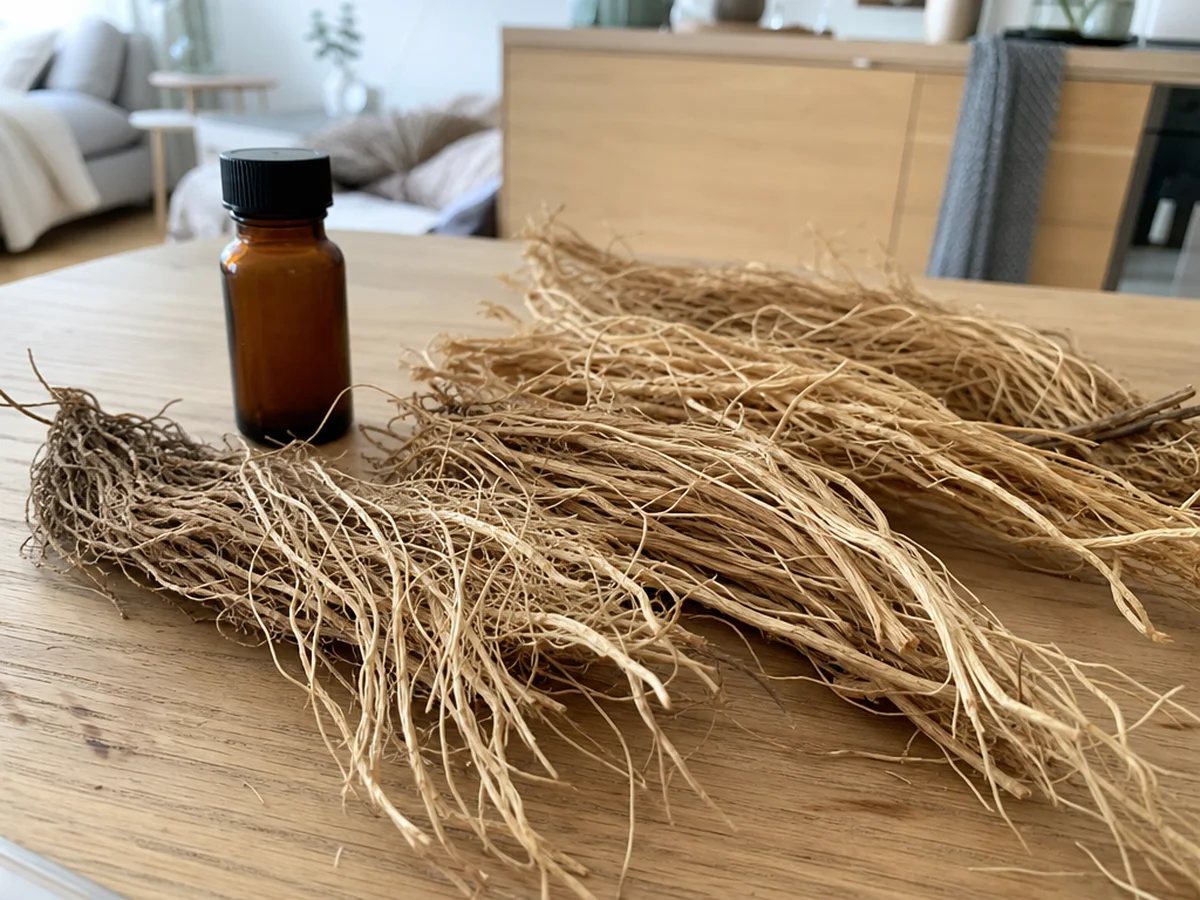
Preparations also differ. A root, a water extract and a steam-distilled oil are different materials, so a rodent study on a root extract does not tell you what a drop of the oil would do in a person. Be wary of anyone who blurs them together.
The better question to ask
Instead of asking whether a little is acceptable, ask what you hope the oil will give you. If the answer is a lovely smell, a diffuser, a fabric scrap or a diluted body oil gives you that without any of the questions above. If the answer is a flavor in a recipe, a grocery or spice shop sells ingredients made for that job. Matching the tool to the goal is simpler than defending an exception.
If your real question is about something else
Behind most "can I swallow it" questions is a different goal: a flavor, a wellness routine or a symptom. For those, the right person is a physician or pharmacist, who can consider your medicines and health history, or a registered dietitian for flavoring and food. We make a single vetiver oil for aroma and cosmetic work, and beyond that our expertise stops.
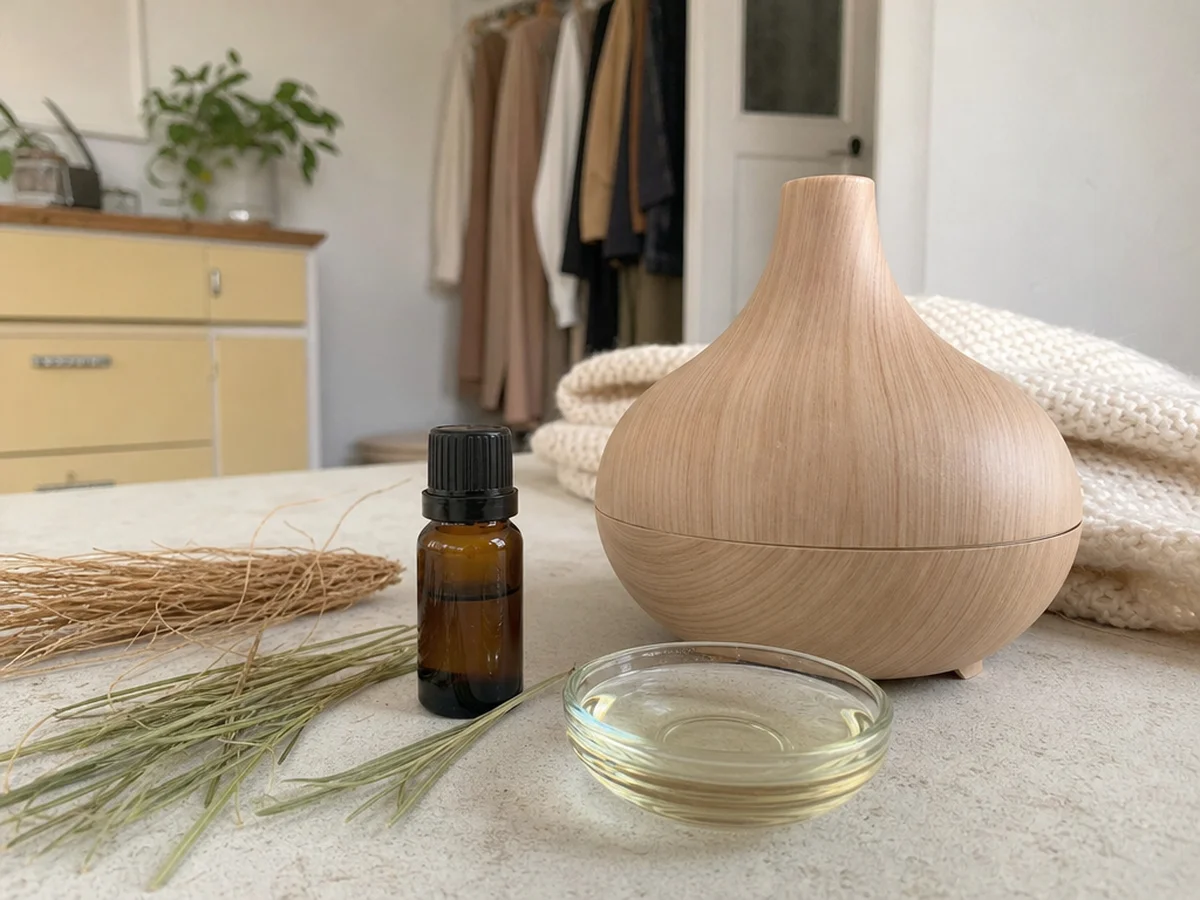
If you are expecting, nursing or taking medication, our disclaimer asks you to check with your healthcare provider before use of any kind, and our pregnancy post goes through what the sources say. For children, see our post on children and babies, and for the many ways to enjoy the oil without swallowing it, our beginner's guide is the place to begin.
Keeping the bottle where it belongs
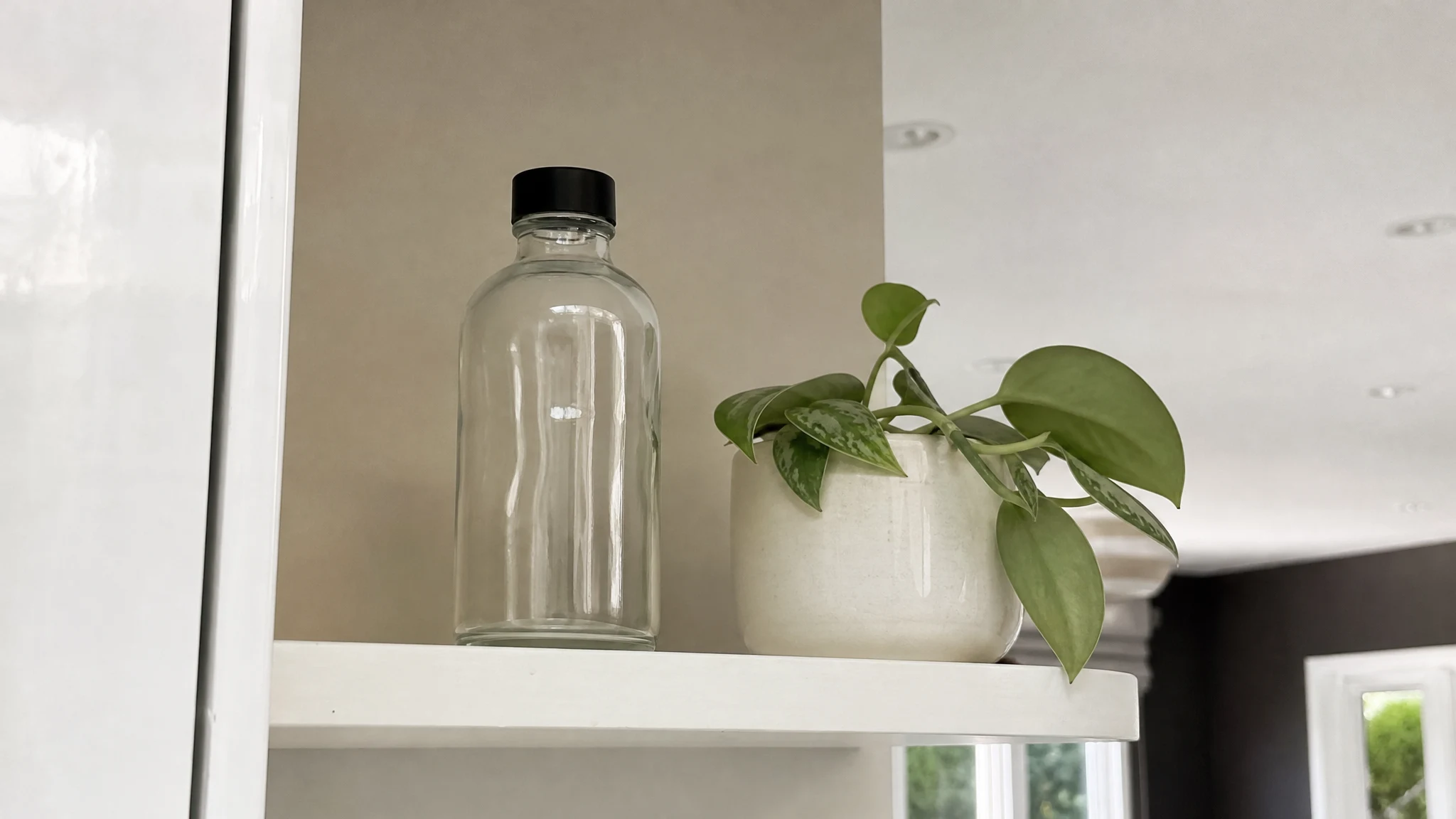
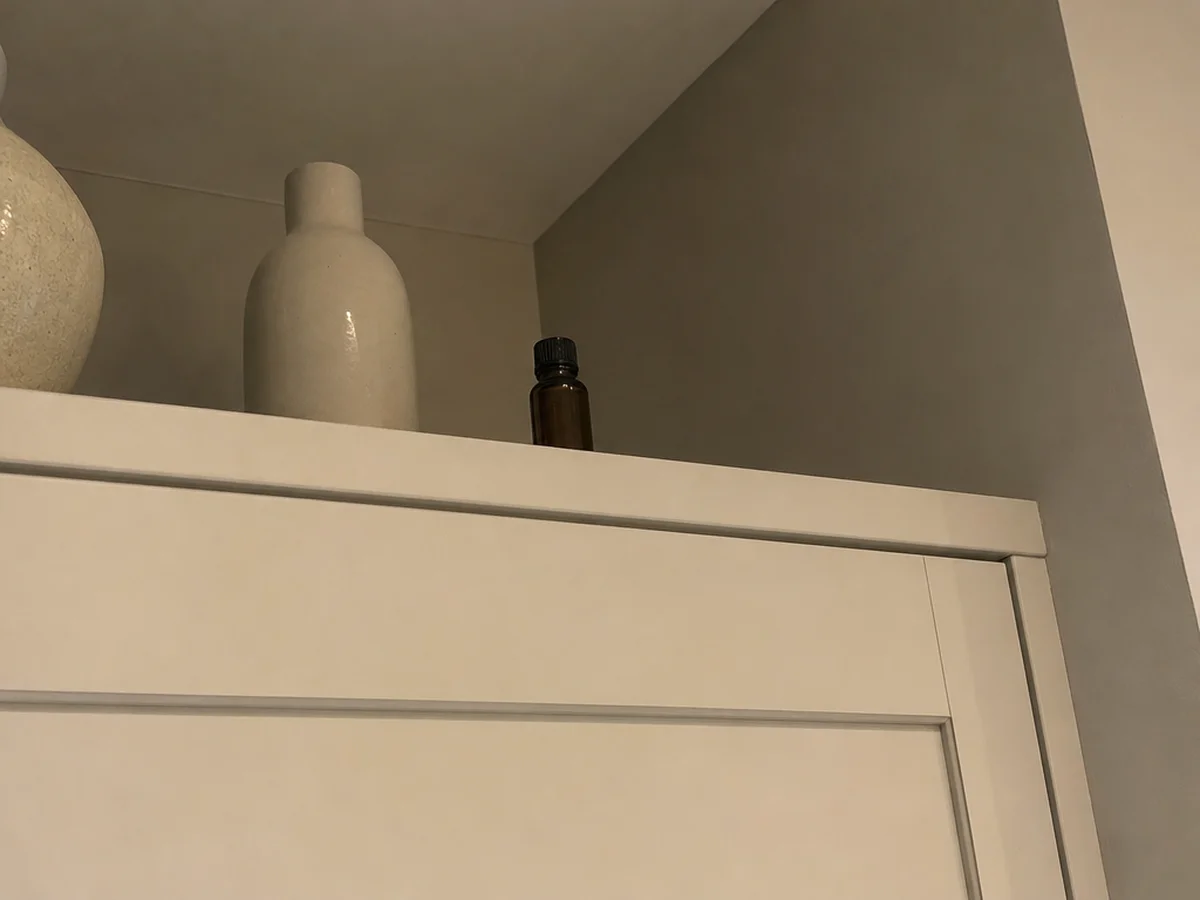
A practical habit helps as much as any rule. Return the cap right after pouring, and put the bottle back on a high shelf or in a cupboard away from children and pets, not on the bathroom counter or a nightstand. Treat it like any other bottle that does not belong in small hands.
Vetiver's pleasure is in its scent, a deep, woody, slightly sweet aroma that fills a room. That is where we would keep it.
Vetiver Essential Oil
Vetiver Essential Oil from our own shop, in sizes from 0.5 oz to bulk.
From $20.99
Shop Now →